Tahini Paste Explained: Characteristics, Pricing, and Where to Buy. How to Make Sesame Paste and Its Culinary Uses

Laura Schneider
Laura Schneider ✓
Diets Premium Expert • 23.10.2026
✓
Scientifically reviewed by a clinical dietitian: This article has been peer-reviewed for adherence to IŻŻ, WHO, and PTGiP clinical nutritional standards.
Diets Premium Expert Laura Schneider min read 4 min Scientifically reviewed by a clinical dietitian 23.10.2026
Tahini Paste Explained: Characteristics, Pricing, and Where to Buy. How to Make Sesame Paste and Its Culinary Uses

Smart Voice

•

Listen to the article content live

0:00 / 0:00
Key Takeaways

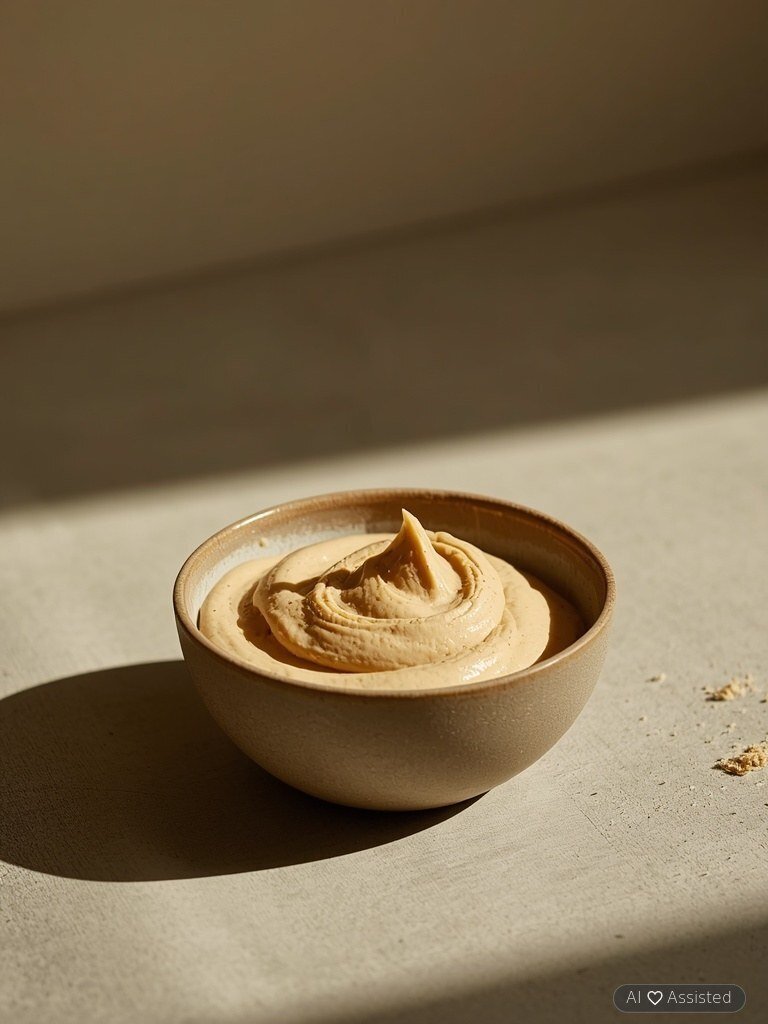
Tahini paste, crafted exclusively from gently roasted and finely stone-ground sesame seeds, is one of the oldest and most nutrient-dense whole foods in human culinary history. It combines a velvety texture and rich, nutty-sesame aroma with an abundance of unsaturated fatty acids, complete plant protein, calcium, magnesium, and iron.

Explore the botanical history of sesame, the detailed biochemical profile of tahini, practical tips for selecting a premium product, step-by-step preparation methods, and important food-safety and allergen guidelines.

Meal Plan

Want to apply these guidelines in your daily diet?

Our smart diet generator creates a tailored meal plan in 3 minutes based on the recommendations in this article.

What Is Tahini Paste? History and Botanical Origins of Sesame

Tahini paste (often referred to as sesame butter) is a traditional culinary staple produced by grinding the seeds of the sesame plant (Sesamum indicum L.). Sesame is one of the oldest oilseed crops cultivated by humankind—first domesticated over 5,500–6,000 years ago on the Indian subcontinent and in sub-Saharan Africa before spreading across ancient Mesopotamia, Egypt, the Mediterranean basin, China, and Japan.

The famous phrase 'Open Sesame!' from the folktale of Ali Baba in One Thousand and One Nights derives directly from the botanical behavior of mature sesame seed pods, which burst open with a distinct pop upon ripening to reveal their treasure trove of oil-rich seeds—a fitting metaphor for the nutritional wealth locked inside sesame.

Tahini – Nutritional Properties, Fatty Acid, and Amino Acid Profile

For millennia, sesame seeds were documented in ancient Egyptian medical papyri (circa 1500 BCE), Hippocratic treatises, traditional Chinese medicine, and Indian Ayurveda as a restorative tonic. Modern nutritional biochemistry confirms these observations: sesame seeds contain approximately 50–55% oil and 18–20% protein. Their lipid fraction is dominated by unsaturated fatty acids—oleic acid (approx. 39%) and linoleic acid (approx. 40%)—while their protein fraction is exceptionally rich in L-arginine (approx. 140 mg/g of protein), leucine (approx. 75 mg/g), and sulfur-containing methionine (approx. 36 mg/g).

Equally remarkable is the mineral density of whole sesame seeds per 100 g: calcium (up to 960–1,200 mg), potassium (400–450 mg), magnesium (350–370 mg), and iron (approx. 9.6 mg). Combined with bioactive lignans (sesamin, sesamolin, and sesamol) and phytosterols, tahini exhibits potent antioxidant, anti-inflammatory, and lipid-lowering properties that support cardiovascular health and glycemic control in type 2 diabetes.

Tahini – Price, Where to Buy, and How to Identify a High-Quality Product

Tahini is both cost-effective and concentrated in flavor, making a single jar last for weeks. It is widely available in mainstream supermarkets, health-food stores, and Middle Eastern or Mediterranean specialty grocers.

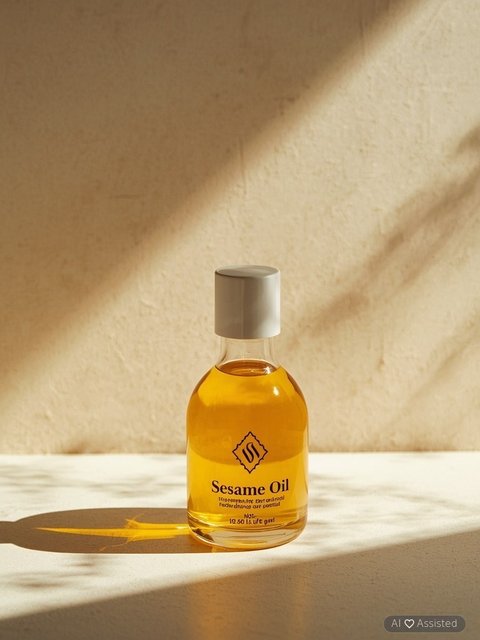
When purchasing tahini, always check the ingredient list to ensure it contains 100% ground sesame seeds—authentic tahini should never contain added palm oil, refined vegetable oils, sugar, salt, or artificial emulsifiers. Natural separation of a golden sesame oil layer at the top of the jar is a normal physical sign of an additive-free product; simply stir the paste thoroughly before use and store it in a cool, dark cupboard away from direct sunlight.

How to Make Homemade Tahini Paste? Hulled vs. Unhulled Sesame Seeds

Both artisanal and homemade tahini production begins with cleaning, rinsing, and drying the sesame seeds, followed by gentle dry-roasting at 110–140°C for 5–8 minutes (at home, toast the seeds in a wide dry skillet over low-medium heat, stirring continuously so they turn lightly fragrant without browning or turning bitter). Roasting unlocks volatile aroma compounds and ruptures oil bodies, allowing a high-speed food processor or stone mill to grind the seeds into a silky, pourable emulsion without needing extra oil.

Depending on the seed preparation, two main varieties of tahini are distinguished:

  • Hulled (white) tahini: made from mechanically dehulled seeds; it offers a pale ivory color, ultra-smooth texture, mild flavor, and lower phytate/oxalate content, though less calcium.
  • Unhulled (whole-seed / dark) tahini: ground from whole seeds with intact seed coats; it boasts a deeper, earthier flavor and several times more calcium, iron, fiber, and antioxidants.

Culinary Uses of Tahini Paste, Microbiological Safety, and Allergen Considerations

Tahini paste enjoys extraordinary culinary versatility: it forms the essential base of traditional hummus, roasted eggplant baba ghanoush, Middle Eastern halva, and creamy lemon-garlic sauces for roasted vegetables, falafel, rice, grains, poultry, and salads. It also excels as a nutritious spread on whole-grain bread, a swirl in morning oatmeal, and a rich binder in low-glycemic cookies and desserts.

When incorporating tahini into the diet, two clinical food-safety considerations should be kept in mind. First, sesame is a recognized major food allergen (mandated for explicit label declaration across the EU and US); in individuals sensitized to sesame seed storage proteins (such as Ses i 1 and Ses i 2), exposure can trigger severe IgE-mediated allergic reactions, including anaphylaxis. Second, because sesame paste is a low-moisture, high-fat food consumed without further cooking, raw or improperly handled seeds can occasionally harbor Salmonella; pregnant women, young children, the elderly, and immunocompromised individuals should purchase quality-tested tahini from reputable producers and observe strict storage hygiene.

Laura Schneider

Laura Schneider

✓

Diets Premium Expert

Diets Premium team expert. Specializes in nutrition plans, strength sports, and training plans.

View Profile →
Recommended articles in this category

Related Articles

Discover similar publications and expert insights.

Sesame – varieties, characteristics, application, guidelines
Health Benefits
Sesame – varieties, characteristics, application, guidelines
⏱ 3 min czytania
#Health Benefits #Sesame Seeds
Sesame seeds
Fatty Acids
Sesame seeds
⏱ 3 min czytania
#Fatty Acids #Sesame Seeds
Sesame oil – a botanical sterol-rich extract with demonstrated LDL-lowering potential
Sesame Seeds
Sesame oil – a botanical sterol-rich extract with demonstrated LDL-lowering potential
⏱ 2 min czytania
#Sesame Seeds #Food Safety
Almond seeds: characteristics and distinctions between sweet and bitter cultivars
Food & Ingredients
Almond seeds: characteristics and distinctions between sweet and bitter cultivars
⏱ 2 min czytania 📚 Food & Ingredients
#Confectionery #Almond Flour
Carob (St. John's bread) – Composition, Properties, and Culinary Applications
Mediterranean
Carob (St. John's bread) – Composition, Properties, and Culinary Applications
⏱ 3 min czytania
#Mediterranean #With Bread
Peanuts (Arachis hypogaea): Botanical Classification, Nutritional Profile, and Health Benefits
Food & Ingredients
Peanuts (Arachis hypogaea): Botanical Classification, Nutritional Profile, and Health Benefits
⏱ 2 min czytania 📚 Food & Ingredients
#Versatile Ingredient #Confectionery
Turmeric (Curcuma longa): nutritional profile, mechanisms of action, piperine synergy, and functional culinary applications
Food & Ingredients
Turmeric (Curcuma longa): nutritional profile, mechanisms of action, piperine synergy, and functional culinary applications
⏱ 4 min czytania 📚 Food & Ingredients
#Bioactive Compounds In Plants #Anti-inflammatory Compounds
Parsnip (Pastinaca sativa) – Nutritional Properties, Culinary Applications, and Creamy Parsnip Soup Recipe
Food & Ingredients
Parsnip (Pastinaca sativa) – Nutritional Properties, Culinary Applications, and Creamy Parsnip Soup Recipe
⏱ 4 min czytania 📚 Food & Ingredients
#Nutritional Properties #Culinary Traditions
Spanish culinary heritage: defining characteristics, regional gastronomy, and authentic recipes
Seasonal Ingredients
Spanish culinary heritage: defining characteristics, regional gastronomy, and authentic recipes
⏱ 5 min czytania
#Seasonal Ingredients #Regional Specialties
Cucumbers: Health benefits, nutritional values and dietary uses
European Cuisine
Cucumbers: Health benefits, nutritional values and dietary uses
⏱ 2 min czytania
#European Cuisine #Pickles
The prickly pear (Opuntia ficus-indica) – a remarkable exotic fruit boasting distinctive flavor and nutritional benefits that deserves a place in your travel culinary experiences
Nutritional Benefits
The prickly pear (Opuntia ficus-indica) – a remarkable exotic fruit boasting distinctive flavor and nutritional benefits that deserves a place in your travel culinary experiences
⏱ 2 min czytania
#Nutritional Benefits #Culinary Traditions
Black Sesame Seeds: Nutritional Advantages and Asian Culinary Heritage
Japanese Cuisine
Black Sesame Seeds: Nutritional Advantages and Asian Culinary Heritage
⏱ 3 min czytania
#Japanese Cuisine #Health Benefits
Melons: an exploration of cultivars, distinctive traits, nutrient profile, and culinary applications
Food & Ingredients
Melons: an exploration of cultivars, distinctive traits, nutrient profile, and culinary applications
⏱ 4 min czytania 📚 Food & Ingredients
#Nutritional Values #Nutrition Facts
Peppers (Genus Capsicum) – Vitamin C Powerhouse, Antioxidant Profile, and Culinary & Therapeutic Applications
Food & Ingredients
Peppers (Genus Capsicum) – Vitamin C Powerhouse, Antioxidant Profile, and Culinary & Therapeutic Applications
⏱ 2 min czytania 📚 Food & Ingredients
#Nutritional Composition #Traditional Medicine
Pattypan Squash (Patison) – Health Benefits, Nutritional Profile, and Culinary Applications
Food & Ingredients
Pattypan Squash (Patison) – Health Benefits, Nutritional Profile, and Culinary Applications
⏱ 3 min czytania 📚 Food & Ingredients
#Nutritional Composition #Nutritional Ingredients
Peperoni Peppers – Botanical Origin, Nutritional Composition, Health Properties, and Culinary Uses
Food & Ingredients
Peperoni Peppers – Botanical Origin, Nutritional Composition, Health Properties, and Culinary Uses
⏱ 3 min czytania 📚 Food & Ingredients
#Nutritional Composition #Nutritional Properties
Basil – Characteristics, Uses, and Storage Methods
Pesto Sauce
Basil – Characteristics, Uses, and Storage Methods
⏱ 6 min czytania
#Pesto Sauce #Savory
Brazil nuts: a nutritional powerhouse from the Amazon rainforest with exceptional health benefits
Food & Ingredients
Brazil nuts: a nutritional powerhouse from the Amazon rainforest with exceptional health benefits
⏱ 3 min czytania 📚 Food & Ingredients
#Health Benefits #Nutrient-Dense
Pumpkin Seeds – Evidence-Based Natural Prevention and Nutritional Support for Prostate Health
Food & Ingredients
Pumpkin Seeds – Evidence-Based Natural Prevention and Nutritional Support for Prostate Health
⏱ 3 min czytania 📚 Food & Ingredients
#Prostate Disorder #Nutrient-Dense
Bitter apricot kernels – amygdalin, cyanide poisoning risk, EFSA safety limits, and clinical oncology consensus
Food & Ingredients
Bitter apricot kernels – amygdalin, cyanide poisoning risk, EFSA safety limits, and clinical oncology consensus
⏱ 5 min czytania 📚 Food & Ingredients
#Apricot #Seeds
Manuka Honey: Attributes, Practical Uses, and Consumer Feedback
Food & Ingredients
Manuka Honey: Attributes, Practical Uses, and Consumer Feedback
⏱ 4 min czytania 📚 Food & Ingredients
#Nectar #Honey
Green Bell Pepper – Health Benefits, Vitamins, Caloric Value, and Culinary Uses
Food & Ingredients
Green Bell Pepper – Health Benefits, Vitamins, Caloric Value, and Culinary Uses
⏱ 3 min czytania 📚 Food & Ingredients
#Bell Peppers #Bell Pepper
A Practical Guide: How to Properly Prepare and Eat Exotic Fruits – Avocado, Mango, Figs, Passion Fruit, Lychee, Pomelo, and Persimmon
Food & Ingredients
A Practical Guide: How to Properly Prepare and Eat Exotic Fruits – Avocado, Mango, Figs, Passion Fruit, Lychee, Pomelo, and Persimmon
⏱ 7 min czytania 📚 Food & Ingredients
#Exotic Fruits #Berries
Persimmon (kaki, sharon fruit) – nutritional value, how to eat, buying guide, and healthy recipes
Food & Ingredients
Persimmon (kaki, sharon fruit) – nutritional value, how to eat, buying guide, and healthy recipes
⏱ 4 min czytania 📚 Food & Ingredients
#Orange #Fruit
Acetic Acid (Ethanoic Acid): Physicochemistry, Fermentation Kinetics, Metabolic Effects, and Market Pricing
Food & Ingredients
Acetic Acid (Ethanoic Acid): Physicochemistry, Fermentation Kinetics, Metabolic Effects, and Market Pricing
⏱ 3 min czytania 📚 Food & Ingredients
#Antimicrobial Properties #Food Preservation
Kumquat: flavor profile, market availability, and culinary uses – how to eat this miniature citrus fruit
Food & Ingredients
Kumquat: flavor profile, market availability, and culinary uses – how to eat this miniature citrus fruit
⏱ 3 min czytania 📚 Food & Ingredients
#Culinary Uses #Citrus Fruit
Wild chanterelle mushrooms (Cantharellus cibarius): nutritional profile, culinary roles, and preservation methods—drying, pickling, and freezing
Food & Ingredients
Wild chanterelle mushrooms (Cantharellus cibarius): nutritional profile, culinary roles, and preservation methods—drying, pickling, and freezing
⏱ 3 min czytania 📚 Food & Ingredients
#Botanical Applications #Culinary Uses
Common Walnut (Juglans regia): botanical characteristics, nutritional composition, and both time-honored and contemporary culinary applications
Food & Ingredients
Common Walnut (Juglans regia): botanical characteristics, nutritional composition, and both time-honored and contemporary culinary applications
⏱ 6 min czytania 📚 Food & Ingredients
#Nutritional Composition #Nutritional Ingredients
Surimi Crab Sticks – Technological Composition, Nutritional Value, Market Price, and Culinary Recipes
Food & Ingredients
Surimi Crab Sticks – Technological Composition, Nutritional Value, Market Price, and Culinary Recipes
⏱ 5 min czytania 📚 Food & Ingredients
#Nutritional Composition #Omega-3 Fatty Acids
Rice vinegar – characteristics, culinary uses, and homemade preparation. What are the viable alternatives to rice vinegar in cooking?
Culinary Uses
Rice vinegar – characteristics, culinary uses, and homemade preparation. What are the viable alternatives to rice vinegar in cooking?
⏱ 3 min czytania
#Culinary Uses #Preserved Vegetables

Share