Peanuts (Arachis hypogaea): Botanical Classification, Nutritional Profile, and Health Benefits

Anna Schmidt
Anna Schmidt ✓
Diets Premium Expert • 23.10.2026
✓
Scientifically reviewed by a clinical dietitian: This article has been peer-reviewed for adherence to IŻŻ, WHO, and PTGiP clinical nutritional standards.
Diets Premium Expert Anna Schmidt min read 2 min Scientifically reviewed by a clinical dietitian 23.10.2026
Peanuts (Arachis hypogaea): Botanical Classification, Nutritional Profile, and Health Benefits

Smart Voice

•

Listen to the article content live

0:00 / 0:00
Key Takeaways

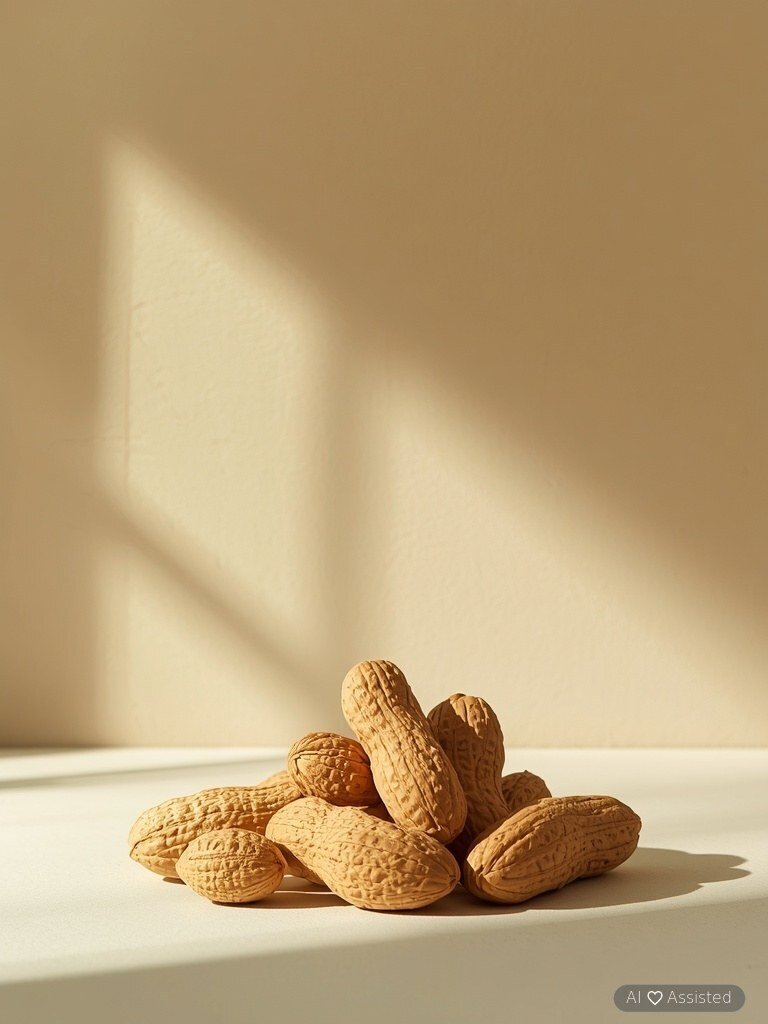
The peanut (Arachis hypogaea), botanically classified within the legume family (Fabaceae), is phylogenetically aligned with pulses such as soybeans, lentils, and chickpeas rather than true tree nuts. Originating in tropical South America, the peanut spread across global agricultural belts through historical trade routes. A defining botanical trait is its geocarpy: following aerial pollination, the floral stalks (termed gynophores or pegs) elongate downward into the soil, where the subterranean pods and seeds develop. From a clinical nutrition standpoint, peanuts offer a concentrated matrix of monounsaturated and polyunsaturated fatty acids, high-quality plant protein, essential micronutrients, and bioactive polyphenols. Their rich, nutty flavor profile makes them a versatile dietary staple in both preventative nutrition and gastronomy.

Meal Plan

Want to apply these guidelines in your daily diet?

Our smart diet generator creates a tailored meal plan in 3 minutes based on the recommendations in this article.

Biochemical Profile: Micronutrients, Antioxidants, and Cardioprotective Lipids

Peanuts exhibit an exceptionally nutrient-dense matrix, distinguished by an optimal lipid architecture. Approximately 80% of their total lipid fraction consists of unsaturated fatty acids, predominantly monounsaturated oleic acid and polyunsaturated linoleic acid. Clinical evidence indicates that substituting saturated fats with these lipid fractions lowers serum low-density lipoprotein (LDL) cholesterol and mitigates systemic cardiovascular risk.

Beyond lipids, peanuts serve as an abundant source of plant-derived protein, notably enriched with the amino acid L-arginine. As an obligatory precursor to nitric oxide (NO), L-arginine promotes endothelial vasodilation, regulates vascular tone, and facilitates efficient nutrient delivery to skeletal muscle tissue, making peanuts an advantageous inclusion in athletic and cardiometabolic diets.

The micronutrient density of peanuts encompasses vital vitamins, minerals, and bioactive substances:

  • Niacin (Vitamin B3): Vital for mitochondrial energy transduction, cellular repair, and neurological health.
  • Folate (Vitamin B9): Critical for one-carbon metabolism, DNA synthesis, and hematopoiesis.
  • Vitamin E (alpha-tocopherol): A potent lipophilic antioxidant defending cell membranes against reactive oxygen species.
  • Magnesium and Potassium: Essential minerals for electrolyte equilibrium, neuromuscular transmission, and blood pressure regulation.
  • Resveratrol and p-coumaric acid: Phenolic compounds demonstrating marked anti-inflammatory and cellular cytoprotective properties.

Energy Density, Macronutrient Partitioning, and Satiety Dynamics

Despite their substantial caloric density—providing approximately 560 to 585 kcal per 100 grams—large-scale clinical trials and epidemiological cohorts consistently demonstrate that habitual, moderate intake of peanuts is not linked to adiposity, but rather facilitates weight maintenance.

The standard macronutrient composition per 100 g of unseasoned, whole peanuts breaks down as follows:

  • Total Fat: ~48–50 g (predominantly cardio-protective unsaturated lipids)
  • Protein: ~25–26 g (dense amino acid spectrum)
  • Carbohydrates: ~12–16 g (characterized by a very low glycemic index of approximately 14)
  • Dietary Fiber: ~8–9 g (prebiotic substrates and digestive regulators)

The potent satiety index of peanuts is mediated by the synergistic matrix of dietary fiber, high protein content, and complex fats. This matrix slows gastric emptying and triggers the endogenous release of appetite-suppressing gut hormones, including peptide YY (PYY) and cholecystokinin (CCK). Furthermore, mechanical inefficiency in mastication preserves intact cell walls, resulting in incomplete lipid bioaccessibility where a measurable portion of ingested energy is excreted rather than metabolized.

Culinary Applications, Processing Quality, and Allergenic Safety

In contemporary clinical nutrition, the biological value derived from peanuts depends largely on processing and culinary preparation. Whole, raw, or dry-roasted nuts without additives are optimal. Conversely, ultra-processed commercial variants—deep-fried in refined oils, excessively salted, or encased in carbohydrate-laden crunchy coatings—negate cardioprotective benefits and add surplus empty calories.

100% Pure Peanut Butter: Authentic peanut butter devoid of added sugars, emulsifiers, or hydrogenated oils serves as an excellent culinary and functional food. It integrates seamlessly into breakfast oatmeal, smoothies, whole-grain dishes, and savory culinary traditions, notably Thai curries and West African groundnut stews.

Despite their exceptional nutritional portfolio, clinical awareness is necessary regarding two major safety considerations:

  • Severe Allergenicity: Peanuts harbor potent storage proteins (predominantly Ara h 1, Ara h 2, and Ara h 3) capable of inducing severe IgE-mediated immunological responses, potentially precipitating fatal systemic anaphylaxis in allergic individuals.
  • Mycotoxin Contamination (Aflatoxins): Owing to their subterranean growth and storage environment, peanuts can become contaminated with Aspergillus flavus or Aspergillus parasiticus fungi, which produce hepatotoxic and carcinogenic aflatoxins. Consuming laboratory-tested, rigorously regulated commercial products protects against these contaminants.
Anna Schmidt

Anna Schmidt

✓

Diets Premium Expert

Diets Premium team expert. Specializes in nutrition plans, strength sports, and training plans.

View Profile →
Recommended articles in this category

Related Articles

Discover similar publications and expert insights.

Almond seeds: characteristics and distinctions between sweet and bitter cultivars
Food & Ingredients
Almond seeds: characteristics and distinctions between sweet and bitter cultivars
⏱ 2 min czytania 📚 Food & Ingredients
#Confectionery #Almond Flour
Fresh and Dried Figs – A Comprehensive Guide to Nutritional Properties, Caloric Value, and Culinary Applications
Food & Ingredients
Fresh and Dried Figs – A Comprehensive Guide to Nutritional Properties, Caloric Value, and Culinary Applications
⏱ 6 min czytania 📚 Food & Ingredients
#Baked Goods #Sweet Treat
Pine Nuts (Pignolias) – Nutritional Characteristics, Sourcing, and Culinary Substitutes
Food & Ingredients
Pine Nuts (Pignolias) – Nutritional Characteristics, Sourcing, and Culinary Substitutes
⏱ 4 min czytania 📚 Food & Ingredients
#Nutritional Properties #Bioactive Compounds
Low-sugar confectionery options
Health Conditions
Low-sugar confectionery options
⏱ 4 min czytania 📚 Health Conditions
#Confectionery #Homemade Pastry
Tahini Paste Explained: Characteristics, Pricing, and Where to Buy. How to Make Sesame Paste and Its Culinary Uses
Food & Ingredients
Tahini Paste Explained: Characteristics, Pricing, and Where to Buy. How to Make Sesame Paste and Its Culinary Uses
⏱ 4 min czytania 📚 Food & Ingredients
#Culinary Traditions #Culinary Uses
Green lentils that naturally occur in Greece and parts of Central Asia
Cooking
Green lentils that naturally occur in Greece and parts of Central Asia
⏱ 3 min czytania
#Cooking #Lentils
Red, Brown, Black, Green, and Yellow Lentils: Lesser-Known Varieties of This Healthy Legume
Lentils
Red, Brown, Black, Green, and Yellow Lentils: Lesser-Known Varieties of This Healthy Legume
⏱ 2 min czytania
#Lentils #Seeds
Strawberries – Nutritional Value, Health-Promoting Properties, and Clinical Dietary Applications
Fruits
Strawberries – Nutritional Value, Health-Promoting Properties, and Clinical Dietary Applications
⏱ 2 min czytania 📚 Fruits
#Fruit-based Desserts #Seasonal Produce
Cardamom - Flawless Spice for Rice Dishes
Health
Cardamom - Flawless Spice for Rice Dishes
⏱ 1 min czytania 📚 Health
#Sweet #Savory
Does the consumption of palm oil have detrimental effects on human health?
Health
Does the consumption of palm oil have detrimental effects on human health?
⏱ 6 min czytania 📚 Health
#Vegetable #Baked
Cocoa in Food – Properties, Varieties and Composition
Confectionery
Cocoa in Food – Properties, Varieties and Composition
⏱ 4 min czytania
#Confectionery #Seeds
White Chocolate Product – Composition, Nutritional Value and Impact on Diet
Nutritional Value
White Chocolate Product – Composition, Nutritional Value and Impact on Diet
⏱ 3 min czytania
#Nutritional Value #Nutrition
Dependency-inducing attributes of confectionery products
Healthy Sweets
Dependency-inducing attributes of confectionery products
⏱ 2 min czytania 📚 Healthy Sweets
#Waffles #Filling
English blooms from South America, Central America, and India
Savory
English blooms from South America, Central America, and India
⏱ 3 min czytania
#Savory #Sweet And Savory
Basil – Characteristics, Uses, and Storage Methods
Pesto Sauce
Basil – Characteristics, Uses, and Storage Methods
⏱ 6 min czytania
#Pesto Sauce #Savory
Sesame – varieties, characteristics, application, guidelines
Health Benefits
Sesame – varieties, characteristics, application, guidelines
⏱ 3 min czytania
#Health Benefits #Sesame Seeds
Cucumbers: Health benefits, nutritional values and dietary uses
European Cuisine
Cucumbers: Health benefits, nutritional values and dietary uses
⏱ 2 min czytania
#European Cuisine #Pickles
The Unexpected Benefits of Peanuts: Why Their Consumption Does Not Cause Weight Gain Despite High Caloric Density
Food & Ingredients
The Unexpected Benefits of Peanuts: Why Their Consumption Does Not Cause Weight Gain Despite High Caloric Density
⏱ 1 min czytania 📚 Food & Ingredients
#Calorie Content #Caloric Content
Mindful Summer Nutrition: Strategies for Healthy Barbecues, Alcohol Moderation, and Low-Calorie Frozen Desserts
Nutritional Science
Mindful Summer Nutrition: Strategies for Healthy Barbecues, Alcohol Moderation, and Low-Calorie Frozen Desserts
⏱ 5 min czytania 📚 Nutritional Science
#Summer Treats #Sweet And Savory
Dried dates - health benefits... dried dates and weight reduction
Health Conditions
Dried dates - health benefits... dried dates and weight reduction
⏱ 4 min czytania 📚 Health Conditions
#Health Benefits #Dried Fruits
Mascarpone Cheese: Velvety Italian Delicacy, Culinary Heritage, Nutritional Profile, and Gastronomic Uses
Cream Cheese
Mascarpone Cheese: Velvety Italian Delicacy, Culinary Heritage, Nutritional Profile, and Gastronomic Uses
⏱ 2 min czytania
#Cream Cheese #Sweet Flavor
Brazil nuts: a nutritional powerhouse from the Amazon rainforest with exceptional health benefits
Food & Ingredients
Brazil nuts: a nutritional powerhouse from the Amazon rainforest with exceptional health benefits
⏱ 3 min czytania 📚 Food & Ingredients
#Health Benefits #Nutrient-Dense
Pumpkin Seeds – Evidence-Based Natural Prevention and Nutritional Support for Prostate Health
Food & Ingredients
Pumpkin Seeds – Evidence-Based Natural Prevention and Nutritional Support for Prostate Health
⏱ 3 min czytania 📚 Food & Ingredients
#Prostate Disorder #Nutrient-Dense
Bitter apricot kernels – amygdalin, cyanide poisoning risk, EFSA safety limits, and clinical oncology consensus
Food & Ingredients
Bitter apricot kernels – amygdalin, cyanide poisoning risk, EFSA safety limits, and clinical oncology consensus
⏱ 5 min czytania 📚 Food & Ingredients
#Apricot #Seeds
Manuka Honey: Attributes, Practical Uses, and Consumer Feedback
Food & Ingredients
Manuka Honey: Attributes, Practical Uses, and Consumer Feedback
⏱ 4 min czytania 📚 Food & Ingredients
#Nectar #Honey
Green Bell Pepper – Health Benefits, Vitamins, Caloric Value, and Culinary Uses
Food & Ingredients
Green Bell Pepper – Health Benefits, Vitamins, Caloric Value, and Culinary Uses
⏱ 3 min czytania 📚 Food & Ingredients
#Bell Peppers #Bell Pepper
A Practical Guide: How to Properly Prepare and Eat Exotic Fruits – Avocado, Mango, Figs, Passion Fruit, Lychee, Pomelo, and Persimmon
Food & Ingredients
A Practical Guide: How to Properly Prepare and Eat Exotic Fruits – Avocado, Mango, Figs, Passion Fruit, Lychee, Pomelo, and Persimmon
⏱ 7 min czytania 📚 Food & Ingredients
#Exotic Fruits #Berries
Persimmon (kaki, sharon fruit) – nutritional value, how to eat, buying guide, and healthy recipes
Food & Ingredients
Persimmon (kaki, sharon fruit) – nutritional value, how to eat, buying guide, and healthy recipes
⏱ 4 min czytania 📚 Food & Ingredients
#Orange #Fruit
Soup, pâté, salad with lentils as the main ingredient
Nutrition
Soup, pâté, salad with lentils as the main ingredient
⏱ 4 min czytania 📚 Nutrition
#Nutritional Value #Salad
Culinary guidelines: how to cook chickpeas, cakes, lentils
Chickpeas
Culinary guidelines: how to cook chickpeas, cakes, lentils
⏱ 7 min czytania
#Chickpeas #Chickpea

Share