Pine Nuts (Pignolias) – Nutritional Characteristics, Sourcing, and Culinary Substitutes

David Janitzek
David Janitzek ✓
Diets Premium Expert • 23.10.2026
✓
Scientifically reviewed by a clinical dietitian: This article has been peer-reviewed for adherence to IŻŻ, WHO, and PTGiP clinical nutritional standards.
Diets Premium Expert David Janitzek min read 4 min Scientifically reviewed by a clinical dietitian 23.10.2026
Pine Nuts (Pignolias) – Nutritional Characteristics, Sourcing, and Culinary Substitutes

Smart Voice

•

Listen to the article content live

0:00 / 0:00
Key Takeaways

Owing to their remarkable nutritional density, edible seeds and nuts constitute an indispensable component of a balanced modern diet. Beyond ubiquitous tree nuts, pine nuts (pignolias) have gained widespread appreciation for their delicate, buttery flavor and rich spectrum of bioactive compounds. Packed with cardioprotective fatty acids, minerals, and antioxidants, they offer substantial metabolic and cardiovascular health benefits.

Meal Plan

Want to apply these guidelines in your daily diet?

Our smart diet generator creates a tailored meal plan in 3 minutes based on the recommendations in this article.

Botanische Herkunft und kulinarische Verwendung der Pignolien

Pinienkerne, im kulinarischen Kontext oft als Pignolien bezeichnet, sind die essbaren Samen verschiedener Kiefernarten. Die geschmacklich feinsten Kerne stammen traditionell von der im Mittelmeerraum beheimateten Mittelmeer-Kiefer (Pinus pinea), während andere Varianten aus asiatischen Arten wie Pinus koraiensis gewonnen werden.

Bereits in der antiken römischen und griechischen Küche wurden Pignolien als Delikatesse geschätzt. Ihr charakteristisches, fein harziges und nussig-buttriges Aroma entfaltet sich besonders intensiv nach schonendem trockenem Rösten in der Pfanne. In der mediterranen Gastronomie bilden sie das Herzstück des traditionellen ligurischen Pesto alla Genovese, wo sie gemeinsam mit frischem Basilikum, Knoblauch, nativem Olivenöl extra und gereiftem Parmigiano Reggiano verarbeitet werden. Darüber hinaus veredeln sie Blattsalate, Fleischfüllungen, Couscous-Gerichte und feine Backwaren wie die klassische italienische Torta della Nonna.

Ernährungsphysiologisches Profil und kardiovaskuläre Vorzüge

Pinienkerne weisen eine außerordentlich hohe Nährstoffdichte auf und sind reich an biologisch wertvollen Makro- und Mikronährstoffen:

  • Mehrfach ungesättigte Fettsäuren (PUFA): Sie enthalten nennenswerte Mengen an Linolsäure sowie die seltene Pinolensäure (eine spezifische Omega-6-Fettsäure), die mit einer verbesserten Regulierung der Blutfette und der Ausschüttung von Sättigungshormonen (wie CCK und GLP-1) in Verbindung gebracht wird.
  • Phytosterine: Diese pflanzlichen Sterole konkurrieren im Darm mit Cholesterin um die Resorptionswege, was zur Senkung des atherogenen LDL-Cholesterinspiegels beiträgt und das vaskuläre Endothel schützt.
  • Mikronährstoffe: 100 g Pinienkerne decken einen wesentlichen Teil des Tagesbedarfs an Magnesium (ca. 250 mg), welches neuromuskuläre Funktionen und den Energiestoffwechsel stabilisiert, sowie an Zink, Kupfer und Folsäure.
  • Antioxidativer Zellschutz: Hohe Gehalte an Vitamin E (alpha-Tocopherol) und polyphenolischen Substanzen wie Stilbenen und Flavonoiden neutralisieren freie Radikale und dämpfen subklinische Entzündungskaskaden.

Einkauf, Qualitätsmerkmale und das Pinienkern-Syndrom

Die manuelle und maschinelle Ernte von Pinienzapfen sowie das aufwendige Lösen der harten Samenschale machen Pinienkerne zu einem der kostspieligsten Speisekerne weltweit. Beim Erwerb sind Herkunft und Frische entscheidende Faktoren:

Kerne der mediterranen Pinie (Pinus pinea) sind länglich, ebenmäßig elfenbeinfarben und besitzen einen weichen, aromatischen Kern. Asiatische Importe (oft von Pinus koraiensis oder Pinus armandii) sind kompakter, rundlicher und preiswerter, bergen jedoch in seltenen Fällen das Risiko der sogenannten Kieferngeschmacksstörung (Pine Mouth Syndrome bzw. Metallogeusie).

Hierbei tritt 1–3 Tage nach dem Verzehr bestimmter Sorten ein intensiver metallisch-bitterer Nachgeschmack beim Essen und Trinken auf, der reversibel ist und meist nach einigen Tagen bis zwei Wochen vollständig abklingt. Da Pinienkerne aufgrund ihres hohen Lipidgehalts rasch ranzig werden, sollten sie luftdicht verschlossen, kühl und lichtgeschützt – idealerweise im Kühlschrank oder Gefrierfach – aufbewahrt werden.

Kulinarische Alternativen und wirtschaftliche Ersatzmöglichkeiten

Angesichts des gehobenen Preisniveaus von echten Mittelmeer-Pignolien suchen viele Köche und Ernährungsexperten nach praktischen Alternativen, die sowohl geschmacklich als auch bezüglich des Fettsäuremusters überzeugen:

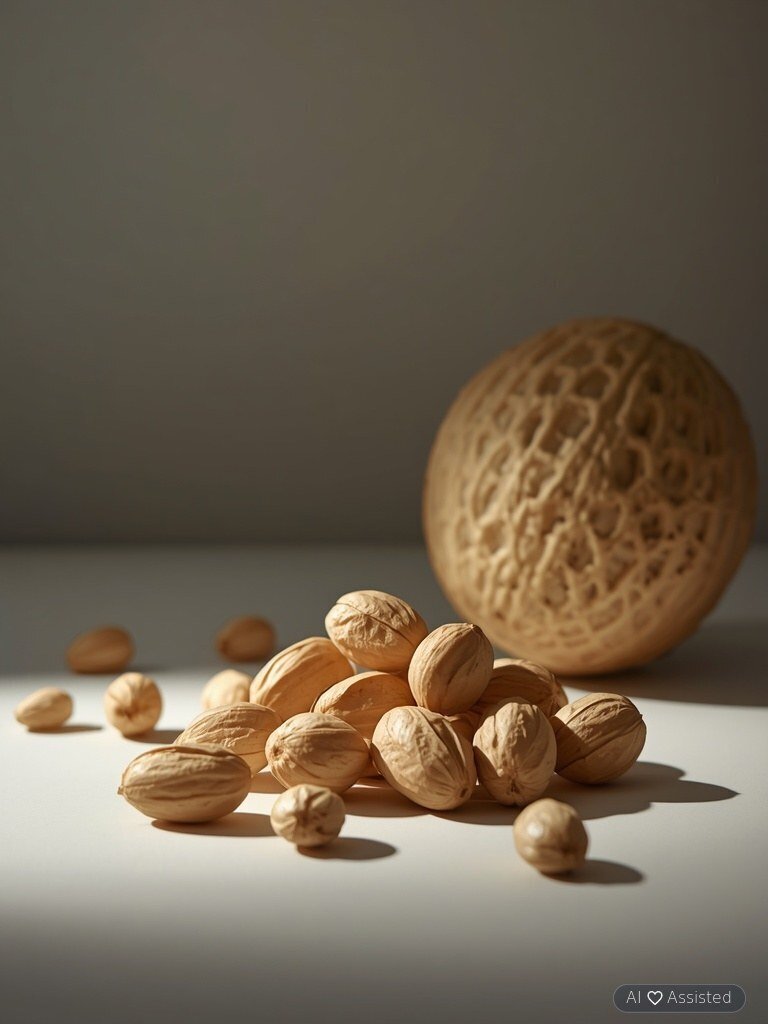
  • Walnüsse: Der klassische Ersatz für hausgemachtes Pesto. Sie verleihen Saucen eine dichte Textur und liefern zusätzlich signifikante Mengen an pflanzlicher Omega-3-Fettsäure (Alpha-Linolensäure, ALA).
  • Cashewkerne: Durch ihren milden, cremig-süßlichen Eigengeschmack spiegeln sie die buttrige Textur von Pinienkernen hervorragend wider und eignen sich ideal für Dips, Saucen und Dressings.
  • Geschälte Sonnenblumenkerne: Eine hervorragende, allergikerfreundliche und wirtschaftliche Option. Leicht geröstet entwickeln sie ein feines Nussaroma, das Salate und Gemüsegerichte mit Zink und Vitamin E bereichert.
  • Blanchierte Mandeln: Gehobelt oder gehackt imitieren sie das feine Mundgefühl von Pignolien in mediterranen Backwaren und Aufläufen.
mgr David Janitzek

mgr David Janitzek

✓

Diets Premium Expert

Diets Premium team expert. Specializes in nutrition plans, strength sports, and training plans.

View Profile →
Recommended articles in this category

Related Articles

Discover similar publications and expert insights.

Nature’s treasure in a nutshell – why hazelnuts merit the superfood designation
Health Benefits
Nature’s treasure in a nutshell – why hazelnuts merit the superfood designation
⏱ 2 min czytania
#Health Benefits #Hazelnuts
The Unexpected Benefits of Peanuts: Why Their Consumption Does Not Cause Weight Gain Despite High Caloric Density
Food & Ingredients
The Unexpected Benefits of Peanuts: Why Their Consumption Does Not Cause Weight Gain Despite High Caloric Density
⏱ 1 min czytania 📚 Food & Ingredients
#Calorie Content #Caloric Content
Peanuts (Arachis hypogaea): Botanical Classification, Nutritional Profile, and Health Benefits
Food & Ingredients
Peanuts (Arachis hypogaea): Botanical Classification, Nutritional Profile, and Health Benefits
⏱ 2 min czytania 📚 Food & Ingredients
#Versatile Ingredient #Confectionery
Raspberries – Health-Promoting Properties, Nutritional Profile, and Dietary Significance
Fruits
Raspberries – Health-Promoting Properties, Nutritional Profile, and Dietary Significance
⏱ 2 min czytania 📚 Fruits
#Nutritional Composition #Bioactive Compounds
Brazil nuts: a nutritional powerhouse from the Amazon rainforest with exceptional health benefits
Food & Ingredients
Brazil nuts: a nutritional powerhouse from the Amazon rainforest with exceptional health benefits
⏱ 3 min czytania 📚 Food & Ingredients
#Health Benefits #Nutrient-Dense
Protein insufficiency in daily nutrition – distinctive symptoms, potential health hazards, and effective strategies for addressing protein deficits in the body
Macronutrients And Micronutrients
Protein insufficiency in daily nutrition – distinctive symptoms, potential health hazards, and effective strategies for addressing protein deficits in the body
⏱ 4 min czytania
#Macronutrients And Micronutrients #Macronutrients In Health
10 Rules for Prudent Use of Fats in the Diet
Macronutrients
10 Rules for Prudent Use of Fats in the Diet
⏱ 7 min czytania
#Macronutrients #Nutrition
Bioavailability of Mineral Constituents in Food Products
Mineral
Bioavailability of Mineral Constituents in Food Products
⏱ 4 min czytania
#Mineral #Macronutrients
Chlorine – characteristics and uses-- Chlorides in the blood, reference value
Macronutrients
Chlorine – characteristics and uses-- Chlorides in the blood, reference value
⏱ 2 min czytania
#Macronutrients
Low-fat nutrition – dietary strategy, clinical rationale, and wholesome recipes
Health Benefits
Low-fat nutrition – dietary strategy, clinical rationale, and wholesome recipes
⏱ 3 min czytania
#Health Benefits #Low-fat Nutrition
Optimal Additions to Fruit and Vegetable Smoothies – Maximizing Nutritional Value and Nutrient Density
Dietary Recommendations
Optimal Additions to Fruit and Vegetable Smoothies – Maximizing Nutritional Value and Nutrient Density
⏱ 4 min czytania
#Dietary Recommendations #Plant-Based Foods
Nutritional optimization for cognitive performance: How dietary habits shape memory and focus
Pregnancy & Motherhood
Nutritional optimization for cognitive performance: How dietary habits shape memory and focus
⏱ 2 min czytania 📚 Pregnancy & Motherhood
#Cognitive Performance #Macronutrients
Millet flakes – nutritional profile, health properties, and culinary applications
Nutritional Composition
Millet flakes – nutritional profile, health properties, and culinary applications
⏱ 3 min czytania
#Nutritional Composition #Gluten Sensitivity
Culinary Compositions with Acai Berries: Nutritional Profile, Health Benefits, and Practical Recipes
Health Benefits
Culinary Compositions with Acai Berries: Nutritional Profile, Health Benefits, and Practical Recipes
⏱ 2 min czytania
#Health Benefits #Macronutrients
Turmeric (Curcuma longa): nutritional profile, mechanisms of action, piperine synergy, and functional culinary applications
Food & Ingredients
Turmeric (Curcuma longa): nutritional profile, mechanisms of action, piperine synergy, and functional culinary applications
⏱ 4 min czytania 📚 Food & Ingredients
#Bioactive Compounds In Plants #Anti-inflammatory Compounds
Methylglyoxal (MGO) – a bioactive honey constituent with scientifically supported health benefits
Food & Ingredients
Methylglyoxal (MGO) – a bioactive honey constituent with scientifically supported health benefits
⏱ 4 min czytania 📚 Food & Ingredients
#Bioactive Compounds #Health Benefits
Molasses – a viscous, sweet byproduct of sugar refining: characteristics, merits, and industrial as well as culinary applications
Food & Ingredients
Molasses – a viscous, sweet byproduct of sugar refining: characteristics, merits, and industrial as well as culinary applications
⏱ 4 min czytania 📚 Food & Ingredients
#Alcoholic Beverages #Bioactive Compounds
Prime lime blossom honey – comprehensive composition analysis, distinctive traits and therapeutic applications
Food & Ingredients
Prime lime blossom honey – comprehensive composition analysis, distinctive traits and therapeutic applications
⏱ 3 min czytania 📚 Food & Ingredients
#Bioactive Compounds #Nectar
Damiana (Turnera diffusa) – Medicinal Properties, Methods of Application, and Therapeutic Precautions
Food & Ingredients
Damiana (Turnera diffusa) – Medicinal Properties, Methods of Application, and Therapeutic Precautions
⏱ 3 min czytania 📚 Food & Ingredients
#Bioactive Compounds #Traditional Medicine
Yellow Bell Pepper – Health Benefits, Lutein and Zeaxanthin, Nutritional Value, and Vitamin Profile
Food & Ingredients
Yellow Bell Pepper – Health Benefits, Lutein and Zeaxanthin, Nutritional Value, and Vitamin Profile
⏱ 3 min czytania 📚 Food & Ingredients
#Nutritional Composition #Nutritional Ingredients
Wild berries and bilberries – health-promoting properties and comprehensive applications in diet and natural medicine
Food & Ingredients
Wild berries and bilberries – health-promoting properties and comprehensive applications in diet and natural medicine
⏱ 3 min czytania 📚 Food & Ingredients
#Bioactive Compounds #Natural Pigments
Oat Bran and Byproducts of Oat Grain Processing – Nutritional Profile, Beta-Glucans, and Uses
Food & Ingredients
Oat Bran and Byproducts of Oat Grain Processing – Nutritional Profile, Beta-Glucans, and Uses
⏱ 3 min czytania 📚 Food & Ingredients
#Bioactive Compounds #Essential Minerals
Prickly Pear (Opuntia ficus-indica): Botanical Profile, Health Benefits, and Nutritional Applications
Food & Ingredients
Prickly Pear (Opuntia ficus-indica): Botanical Profile, Health Benefits, and Nutritional Applications
⏱ 5 min czytania 📚 Food & Ingredients
#Traditional Medicine #Bioactive Compounds
Red Bell Pepper – Nutritional Composition, Bioactive Compounds, Caloric Profile, and Culinary Benefits
Food & Ingredients
Red Bell Pepper – Nutritional Composition, Bioactive Compounds, Caloric Profile, and Culinary Benefits
⏱ 2 min czytania 📚 Food & Ingredients
#Nutritional Composition #Bioactive Compounds
Chuska Hot Pepper (Capsicum annuum) – Health Properties, Capsaicin Pharmacology, and Anticancer Potential
Food & Ingredients
Chuska Hot Pepper (Capsicum annuum) – Health Properties, Capsaicin Pharmacology, and Anticancer Potential
⏱ 3 min czytania 📚 Food & Ingredients
#Versatile Ingredient #Bioactive Compounds
Orange-Yellow Sweet Bell Pepper – Health Benefits, Lutein, Caloric Value, and Culinary Uses
Food & Ingredients
Orange-Yellow Sweet Bell Pepper – Health Benefits, Lutein, Caloric Value, and Culinary Uses
⏱ 2 min czytania 📚 Food & Ingredients
#Cardiovascular Health #Bioactive Compounds
Characteristics and Potential Health Benefits of White Mulberry Leaves (Morus alba) in Weight Management – Scientific Analysis and Practical Applications
Food & Ingredients
Characteristics and Potential Health Benefits of White Mulberry Leaves (Morus alba) in Weight Management – Scientific Analysis and Practical Applications
⏱ 4 min czytania 📚 Food & Ingredients
#Bioactive Compounds In Plants #Bioactive Compounds
Bilberry (Vaccinium myrtillus) – Health Benefits of Fruits and Leaves and Their Application in Phytotherapy
Food & Ingredients
Bilberry (Vaccinium myrtillus) – Health Benefits of Fruits and Leaves and Their Application in Phytotherapy
⏱ 3 min czytania 📚 Food & Ingredients
#Medicinal Plants And Their Benefits #Bioactive Compounds In Plants
7 Reasons to Eat Brazil Nuts
Health
7 Reasons to Eat Brazil Nuts
⏱ 1 min czytania 📚 Health
#Nuts #Brazil Nuts
Cellular regeneration through nutrition: 8 clinical guidelines from dietetic experts
Macronutrients
Cellular regeneration through nutrition: 8 clinical guidelines from dietetic experts
⏱ 8 min czytania
#Macronutrients #Balanced Diet

Share