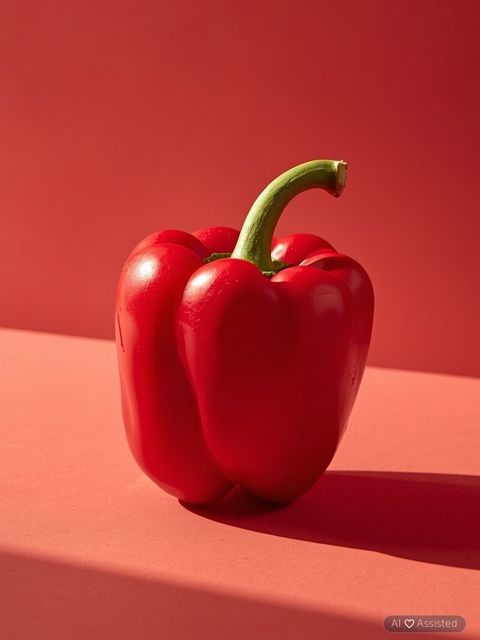
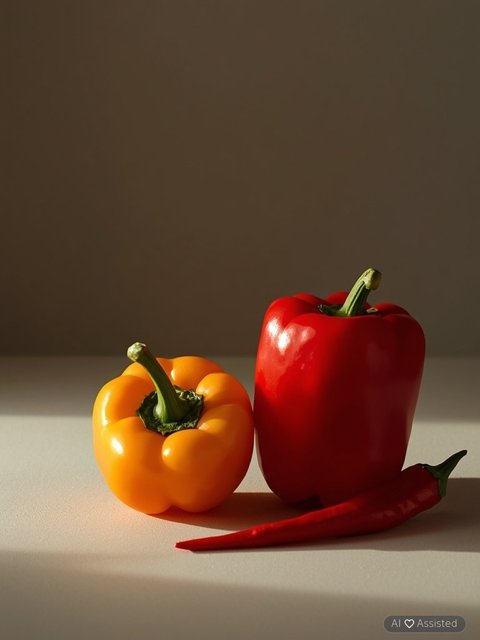
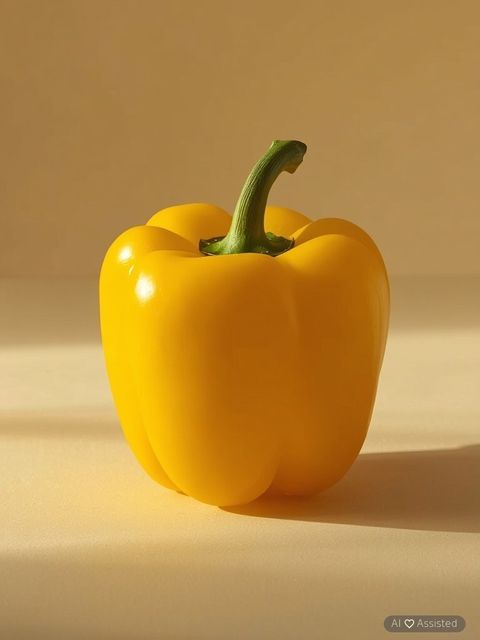
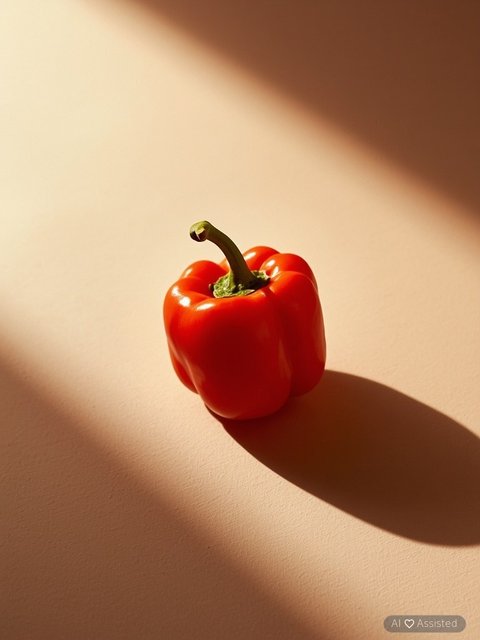
Orange-Yellow Sweet Bell Pepper – Health Benefits, Lutein, Caloric Value, and Culinary Uses

| Diets Premium Expert Lena Bauer | min read 2 min | Scientifically reviewed by a clinical dietitian 23.10.2026 |
Smart Voice
•Listen to the article content live
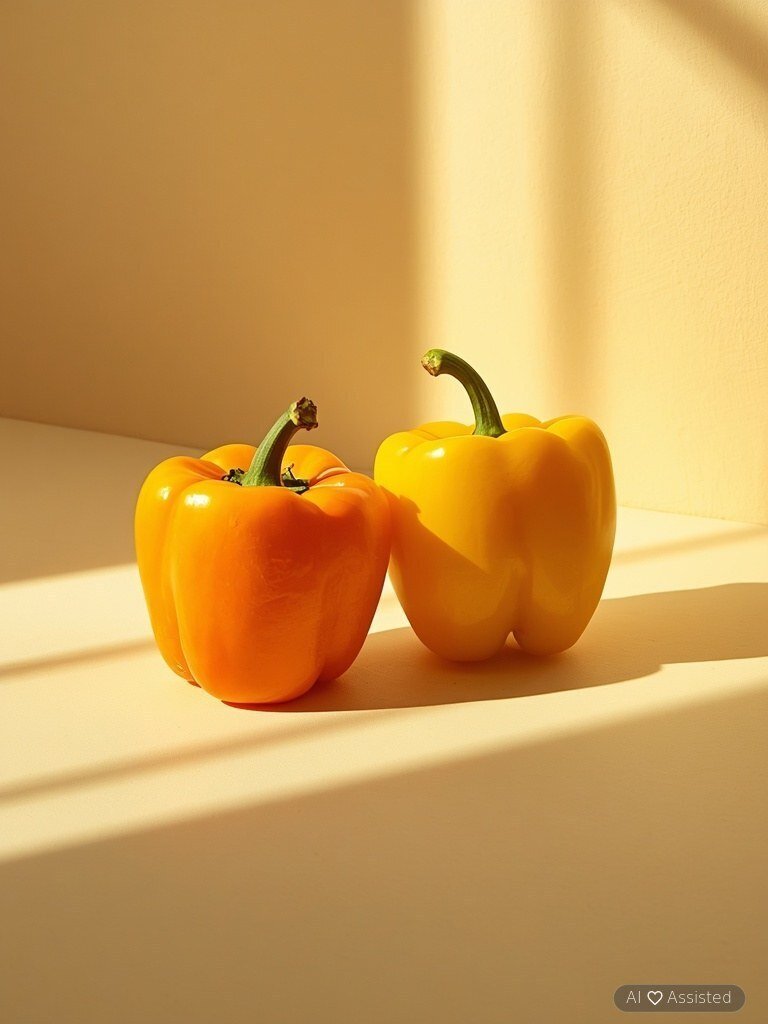
Orange-yellow sweet pepper cultivars captivate with their sunny coloration and crisp, mildly fruity flesh. They represent specialized varieties bred for high concentrations of bioavailable xanthophylls and carotenes.
Rich in lutein, zeaxanthin, beta-cryptoxanthin, potassium, and vitamin C, orange-yellow sweet peppers support cardiovascular health, protect the retinal macula, and enhance cognitive performance while contributing minimal calories to the diet.
Want to apply these guidelines in your daily diet?
Our smart diet generator creates a tailored meal plan in 3 minutes based on the recommendations in this article.
Nutritional Properties of Orange-Yellow Sweet Pepper – Vitamins, Minerals, and Vision Protection
Orange-yellow sweet pepper is increasingly valued in clinical nutrition, rivaling deep-red cultivars in health-promoting potential. It serves as an excellent dietary ally in the prevention and management of arterial hypertension due to its favorable potassium-to-sodium ratio and abundant vascular-protective antioxidants. It also delivers generous amounts of immune-supporting vitamin C alongside vitamin E, calcium, magnesium, and iron.
Its defining biochemical feature is an exceptionally high concentration of lutein, zeaxanthin, and beta-cryptoxanthin. Lutein and zeaxanthin selectively accumulate in both the retinal macula and neural tissue, where they neutralize free radicals, protect visual acuity against blue-light oxidative stress, and support cognitive focus, memory consolidation, and mental performance during demanding academic or professional work.
Caloric Value, Macronutrients, and Glycemic Load of Orange-Yellow Sweet Pepper
From an energetic standpoint, orange-yellow sweet pepper is an ultra-low-calorie food that adds generous volume and crunch to meals without excess energy intake. A 100 g serving of fresh edible pepper provides approximately 26–28 kcal:
- Protein: approx. 1.0 g / 100 g,
- Total carbohydrates: approx. 5.5–6.0 g / 100 g (with a low glycemic index of GI = 15),
- Fat: approx. 0.2 g / 100 g,
- Dietary fiber: approx. 1.8–2.0 g / 100 g.
Both soluble and insoluble dietary fiber fractions stimulate intestinal peristalsis, assist in binding bile acids and cholesterol in the digestive tract, and support healthy weight management. Additionally, its high water and potassium content imparts a mild diuretic effect that helps counteract fluid retention.
Culinary Uses, Storage Guidelines, and Digestibility
Orange-yellow sweet pepper offers remarkable culinary versatility. A staple across Hungarian, Mediterranean, Spanish, and Mexican cuisines, it shines in lecsó, fajitas, ratatouille, grain-and-vegetable bakes, and raw crudité platters paired with hummus or guacamole. Brief thermal cooking causes minimal nutrient loss and actually enhances the bioaccessibility of carotenoids when combined with a healthy fat source such as olive oil.
When selecting peppers, choose firm fruits that feel heavy for their size with smooth, glossy skin and a fresh green stem, and store them in the crisper drawer at 7–10°C. Bell pepper gently stimulates gastric acid secretion and appetite; for young children or individuals with sensitive digestion, roasting and peeling off the skin makes the flesh exceptionally gentle on the stomach. Individuals with birch or mugwort pollen allergies should also be mindful of rare cross-reactive oral allergy symptoms.
Tags

Lena Bauer
✓Diets Premium Expert
Diets Premium team expert. Specializes in nutrition plans, strength sports, and training plans.
View Profile →