Chuska Hot Pepper (Capsicum annuum) – Health Properties, Capsaicin Pharmacology, and Anticancer Potential

| Diets Premium Expert Sophia Williams | min read 3 min | Scientifically reviewed by a clinical dietitian 23.10.2026 |
Smart Voice
•Listen to the article content live
The Chuska hot pepper (Capsicum annuum L.) is a pungent chili cultivar widely grown across Central Europe and the Balkans, prized for its vibrant heat and rich aromatic profile. A member of the nightshade family (Solanaceae), its slender, crimson pods concentrate high levels of capsaicinoids, vitamin C, and antioxidant carotenoids. Contemporary pharmacological and oncological studies increasingly elucidate how bioactive alkaloids in hot peppers modulate nociceptive pain pathways, stimulate thermogenesis, and support cellular defense mechanisms against neoplastic proliferation.
Want to apply these guidelines in your daily diet?
Our smart diet generator creates a tailored meal plan in 3 minutes based on the recommendations in this article.
Chuska Hot Pepper – Botanical Profile and Micronutrient Composition
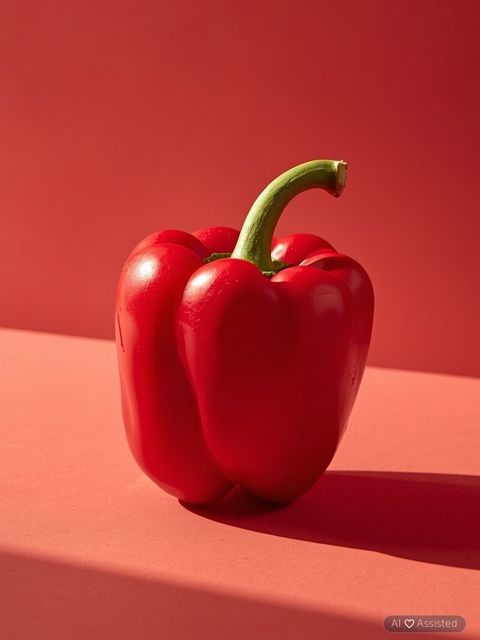
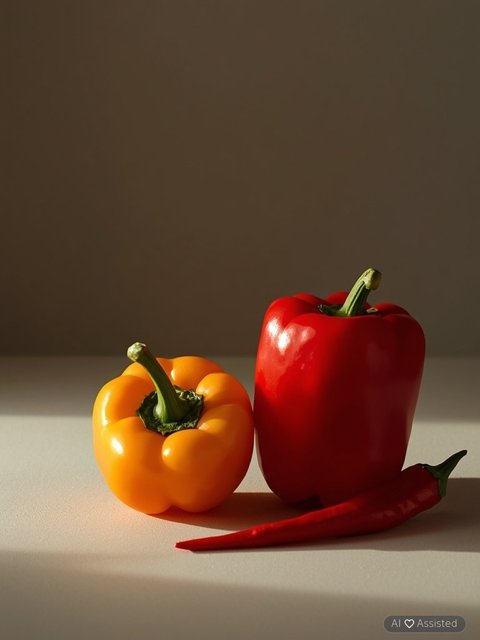
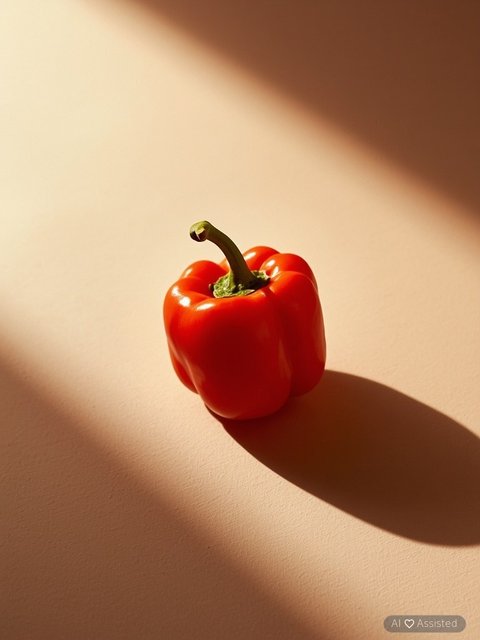
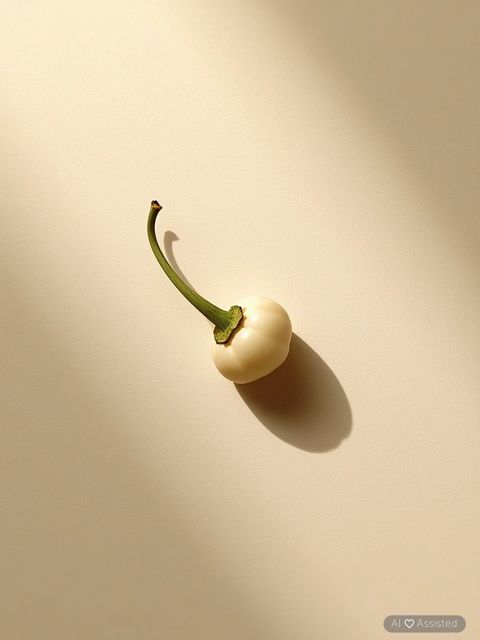
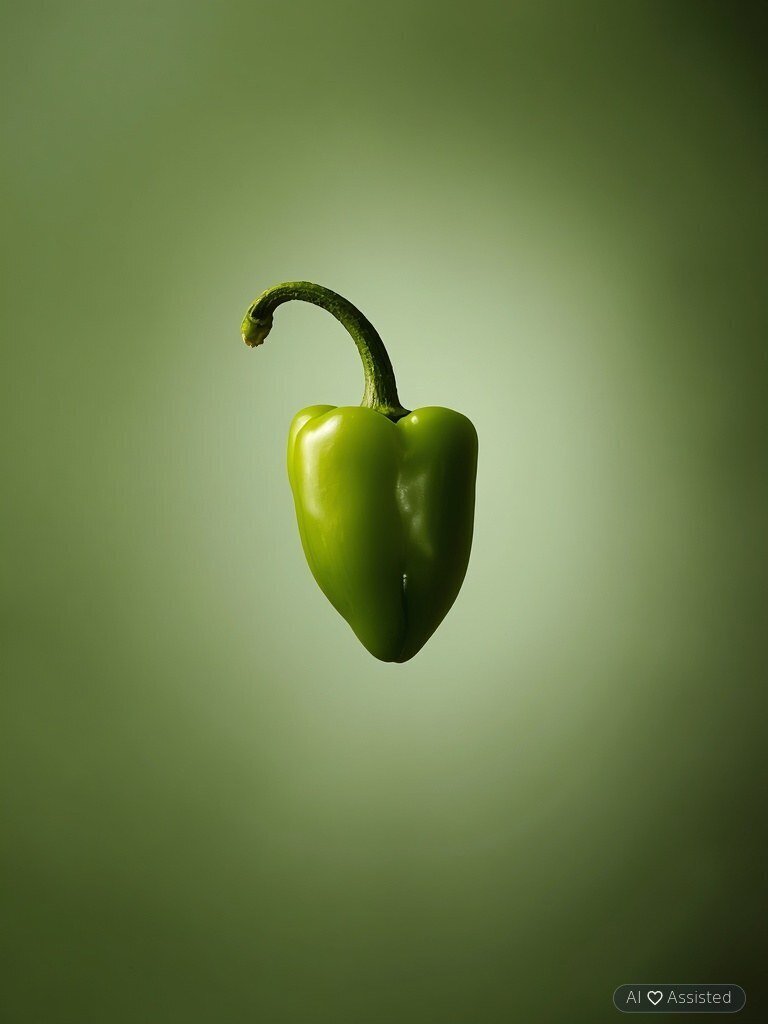
The Chuska pepper (whose name derives from the Bulgarian word chushka, meaning pepper pod) is a pungent cultivar group of Capsicum annuum L. belonging to the nightshade family (Solanaceae). Its fruits form slender, tapering, slightly curved cones measuring 8 to 15 cm in length, encased in a glossy skin that ripens from deep green to brilliant crimson. Culinarily, Chuska peppers are prized both fresh and pickled in vinegar or olive oil, as well as dried and ground into a fiery seasoning for stews, roasted meats, and sauces.
Beyond its culinary heat, the Chuska pepper boasts an impressive micronutrient profile. Every 100 g of fresh pods supplies upwards of 140 mg of vitamin C, abundant provitamin A carotenoids (beta-carotene and capsanthin), B-complex vitamins (especially pyridoxine / vitamin B6), and vitamin E. It also furnishes essential minerals including potassium, iron, magnesium, and manganese at a modest caloric load of roughly 40 kcal per 100 g.
Anti-Inflammatory, Analgesic, and Thermogenic Properties of Chuska Pepper
The pungent sensory heat and pharmacological activity of the Chuska pepper are driven by capsaicin—a lipophilic vanilloid alkaloid synthesized in the placental septa of the pod. Higher capsaicin concentrations correspond directly to greater Scoville Heat Units (typically 5,000 to 25,000 SHU for Chuska cultivars). At the molecular level, capsaicin selectively binds to TRPV1 (transient receptor potential vanilloid 1) ion channels on nociceptive sensory neurons. While initial activation produces a warming sensation, sustained exposure depletes presynaptic stores of substance P—a key neuropeptide responsible for transmitting pain signals to the central nervous system.
This desensitization mechanism underlies the proven analgesic and anti-inflammatory efficacy of capsaicinoids in topical patches and creams prescribed for osteoarthritis, rheumatoid arthritis, myofascial back pain, and neuropathic syndromes. When consumed moderately in the diet, capsaicin also enhances diet-induced thermogenesis and lipid oxidation, stimulates gastric mucin and digestive enzyme secretion, exhibits antibacterial activity against foodborne pathogens, and activates endothelial nitric oxide synthase (eNOS) to support vascular tone and lipid homeostasis.
Chuska Pepper and Oncological Research – Anticancer Mechanisms of Capsaicin
Contemporary oncology research has devoted considerable attention to the chemopreventive and antiproliferative potential of capsaicin alongside the carotenoids and flavonoids abundant in Chuska peppers. Preclinical studies (in vitro and in vivo) demonstrate that capsaicin can selectively target the mitochondrial electron transport chain of neoplastic cells (including prostate, pancreatic, colorectal, and lung cancer cell lines), triggering targeted reactive oxygen species generation and activating caspase cascades that drive apoptosis (programmed cancer cell death) while leaving normal healthy cells unharmed.
Additionally, capsaicin downregulates the pro-inflammatory transcription factor NF-kappaB and inhibits tumor angiogenesis, while the high concentrations of vitamin C, vitamin E, and beta-carotene in the pepper pericarp protect genomic DNA against oxidative mutagenesis and nitrosamine formation. Clinical moderation remains essential: while Chuska peppers are a valuable component of an anti-inflammatory diet, excessive intake is contraindicated in patients with active peptic ulcer disease, erosive gastritis, or severe gastroesophageal reflux disease (GERD).
Tags

Sophia Williams
✓Diets Premium Expert
Diets Premium team expert. Specializes in nutrition plans, strength sports, and training plans.
View Profile →