Peperoni Peppers – Botanical Origin, Nutritional Composition, Health Properties, and Culinary Uses

Alicja Kowalska
Alicja Kowalska ✓
Diets Premium Expert • 23.10.2026
✓
Scientifically reviewed by a clinical dietitian: This article has been peer-reviewed for adherence to IŻŻ, WHO, and PTGiP clinical nutritional standards.
Diets Premium Expert Alicja Kowalska min read 3 min Scientifically reviewed by a clinical dietitian 23.10.2026
Peperoni Peppers – Botanical Origin, Nutritional Composition, Health Properties, and Culinary Uses

Smart Voice

•

Listen to the article content live

0:00 / 0:00
Key Takeaways

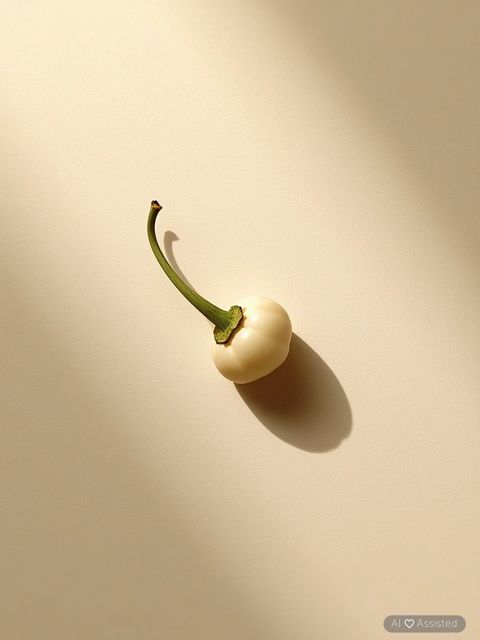
Peperoni peppers (known in Italy as peperoncini or mild hot peperoni) rank among the most popular cultivars of Capsicum annuum L., widely celebrated for elevating the flavor profile of artisan pizzas, Greek and Mediterranean salads, antipasti platters, and pasta dishes. Characterized by a balanced, pleasant pungency, crisp pericarp flesh, and high concentrations of vitamin C and carotenoids, peperoni peppers can be enjoyed both fresh and pickled in tangy vinegar brines or extra virgin olive oil.

Meal Plan

Want to apply these guidelines in your daily diet?

Our smart diet generator creates a tailored meal plan in 3 minutes based on the recommendations in this article.

Peperoni Peppers – Botanical Origin and Varietal Characteristics

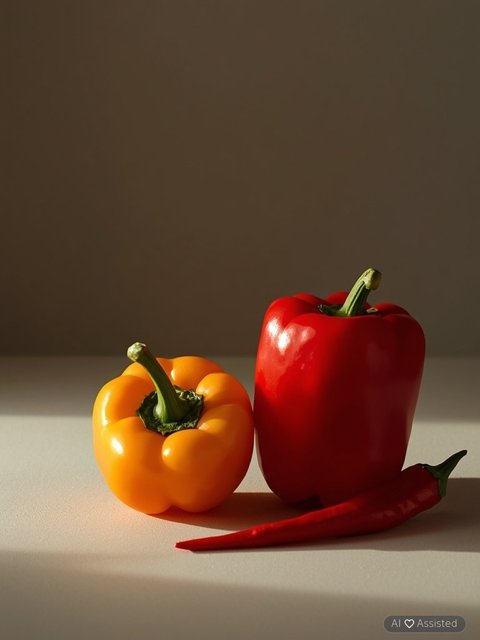
Peperoni peppers (Capsicum annuum L.) originated in South and Central America (notably present-day Peru and Mexico), where indigenous civilizations cultivated them for millennia. Following Christopher Columbus's voyages at the close of the 15th century, these slender peppers were introduced to Europe and rapidly became a botanical and culinary staple across the Mediterranean—especially in Italy (Tuscany, Calabria, and Campania) and Greece. Their pods are elongated, tapering cones measuring 5 to 15 cm in length, ripening from pale chartreuse green to bright yellow, orange, or crimson.

On the Scoville Heat Scale, classic salad and pickling peperoni varieties register a mild-to-moderate 100 to 1,500 SHU (though certain Calabrian peperoncino strains reach higher heat levels), making them far gentler on the palate than jalapeño, cayenne, or habanero chilies. Importantly, a common linguistic distinction should be noted: in Italian, German, and Polish culinary terminology, 'peperoni' refers strictly to these elongated vegetable peppers, whereas in American English, 'pepperoni' (spelled with a double 'p') denotes a cured, paprika-spiced salami sausage.

Nutritional Value, Vitamins, and Minerals in Peperoni Peppers

Like other cultivars of Capsicum annuum, peperoni peppers combine a remarkably low caloric density (only 25 to 35 kcal per 100 g of fresh pods) and a low glycemic index (GI = 15) with exceptional micronutrient richness. Foremost, they serve as a potent source of vitamin C (100 to 160 mg per 100 g), which bolsters innate and adaptive immunity, stimulates collagen biosynthesis, and reinforces vascular wall elasticity.

The pericarp flesh and skin of peperoni peppers (particularly red-ripened pods) also furnish an array of protective phytochemicals and minerals:

  • Beta-carotene (provitamin A), capsanthin, and lutein: Quench reactive oxygen species, protect mucosal epithelia, and safeguard retinal photoreceptor health.
  • B-complex vitamins (thiamine, riboflavin, pyridoxine, folate) plus vitamins E and K: Support neurotransmitter synthesis, hematopoiesis, and membrane lipid protection.
  • Potassium, magnesium, iron, and calcium: Maintain electrolyte homeostasis, myocardial contractility, and neuromuscular signaling.

Health-Promoting Properties of Peperoni Peppers and Capsaicin Activity

Thanks to its synergistic matrix of antioxidants—polyphenols, ascorbic acid, and carotenoids—combined with a moderate concentration of capsaicin, peperoni peppers exhibit well-documented anti-inflammatory, antimicrobial, and chemopreventive properties. Regular dietary inclusion supports cardiovascular health by promoting endothelial vasodilation, helping reduce serum LDL cholesterol and triglyceride levels, and moderating platelet aggregation.

Furthermore, the mild capsaicin content gently stimulates salivary flow as well as gastric acid and digestive enzyme secretion, meaning that pairing peperoni peppers with rich meat or cheese dishes enhances digestive efficiency and stimulates postprandial thermogenesis. Activation of oral TRPV1 receptors also triggers endogenous endorphin release—elevating mood—while exerting a mild mucolytic effect that helps clear nasal and sinus passages during upper respiratory infections.

How to Eat and Use Peperoni Peppers in a Healthy Kitchen

Peperoni peppers are a remarkably versatile culinary ingredient that can be eaten whole (after trimming the stem) or sliced into vibrant rings. In their raw form, they add a crisp, mildly fiery accent to Greek and Mediterranean salads, fresh tomato salsas, cottage cheese spreads, whole-grain sandwiches, and artisan pizzas. They are also delicious blistered in a skillet with extra virgin olive oil, garlic, and oregano, or roasted in the oven.

Year-round, pickled peperoni peppers in vinegar brine or marinated in olive oil—frequently stuffed with tangy feta or cream cheese as classic Mediterranean antipasti—are widely enjoyed. From a dietetic standpoint, while vinegar pickling reduces heat- and acid-sensitive vitamin C levels, it preserves dietary fiber, carotenoids, and capsaicin; individuals managing arterial hypertension should simply monitor the sodium content of commercial brines and rinse or drain pickled peppers well before serving.

Alicja Kowalska

Alicja Kowalska

✓

Diets Premium Expert

Diets Premium team expert. Specializes in nutrition plans, strength sports, and training plans.

View Profile →
Recommended articles in this category

Related Articles

Discover similar publications and expert insights.

Peppers (Genus Capsicum) – Vitamin C Powerhouse, Antioxidant Profile, and Culinary & Therapeutic Applications
Food & Ingredients
Peppers (Genus Capsicum) – Vitamin C Powerhouse, Antioxidant Profile, and Culinary & Therapeutic Applications
⏱ 2 min czytania 📚 Food & Ingredients
#Nutritional Composition #Traditional Medicine
Common Walnut (Juglans regia): botanical characteristics, nutritional composition, and both time-honored and contemporary culinary applications
Food & Ingredients
Common Walnut (Juglans regia): botanical characteristics, nutritional composition, and both time-honored and contemporary culinary applications
⏱ 6 min czytania 📚 Food & Ingredients
#Nutritional Composition #Nutritional Ingredients
Wild marjoram essential oil – therapeutic applications, usage restrictions, and recommended dosing protocols
Culinary Spice
Wild marjoram essential oil – therapeutic applications, usage restrictions, and recommended dosing protocols
⏱ 4 min czytania
#Culinary Spice #Mediterranean
Red Bell Pepper – Nutritional Composition, Bioactive Compounds, Caloric Profile, and Culinary Benefits
Food & Ingredients
Red Bell Pepper – Nutritional Composition, Bioactive Compounds, Caloric Profile, and Culinary Benefits
⏱ 2 min czytania 📚 Food & Ingredients
#Nutritional Composition #Bioactive Compounds
Green Bell Pepper – Health Benefits, Vitamins, Caloric Value, and Culinary Uses
Food & Ingredients
Green Bell Pepper – Health Benefits, Vitamins, Caloric Value, and Culinary Uses
⏱ 3 min czytania 📚 Food & Ingredients
#Bell Peppers #Bell Pepper
Bell Pepper: Nutritional Characteristics, Health Benefits, and Chromatic Diversity Across Cultivars
Liver Detox
Bell Pepper: Nutritional Characteristics, Health Benefits, and Chromatic Diversity Across Cultivars
⏱ 3 min czytania 📚 Liver Detox
#Nutritional Ingredients #Health Benefits
Chuska Hot Pepper (Capsicum annuum) – Health Properties, Capsaicin Pharmacology, and Anticancer Potential
Food & Ingredients
Chuska Hot Pepper (Capsicum annuum) – Health Properties, Capsaicin Pharmacology, and Anticancer Potential
⏱ 3 min czytania 📚 Food & Ingredients
#Versatile Ingredient #Bioactive Compounds
Orange-Yellow Sweet Bell Pepper – Health Benefits, Lutein, Caloric Value, and Culinary Uses
Food & Ingredients
Orange-Yellow Sweet Bell Pepper – Health Benefits, Lutein, Caloric Value, and Culinary Uses
⏱ 2 min czytania 📚 Food & Ingredients
#Cardiovascular Health #Bioactive Compounds
Marjoram – Traditional Therapeutic Applications: Natural Relief for Cough, Rhinitis, and Sinusitis
Functional Foods
Marjoram – Traditional Therapeutic Applications: Natural Relief for Cough, Rhinitis, and Sinusitis
⏱ 3 min czytania 📚 Functional Foods
#Traditional Medicine #Mediterranean
Pattypan Squash (Patison) – Health Benefits, Nutritional Profile, and Culinary Applications
Food & Ingredients
Pattypan Squash (Patison) – Health Benefits, Nutritional Profile, and Culinary Applications
⏱ 3 min czytania 📚 Food & Ingredients
#Nutritional Composition #Nutritional Ingredients
Melons: an exploration of cultivars, distinctive traits, nutrient profile, and culinary applications
Food & Ingredients
Melons: an exploration of cultivars, distinctive traits, nutrient profile, and culinary applications
⏱ 4 min czytania 📚 Food & Ingredients
#Nutritional Values #Nutrition Facts
Tahini Paste Explained: Characteristics, Pricing, and Where to Buy. How to Make Sesame Paste and Its Culinary Uses
Food & Ingredients
Tahini Paste Explained: Characteristics, Pricing, and Where to Buy. How to Make Sesame Paste and Its Culinary Uses
⏱ 4 min czytania 📚 Food & Ingredients
#Culinary Traditions #Culinary Uses
Pulverized sweet pepper
Bell Peppers
Pulverized sweet pepper
⏱ 2 min czytania
#Bell Peppers #Bell Pepper
Unripe olives from the olive tree – characteristics and culinary applications
Sun-Dried Tomatoes
Unripe olives from the olive tree – characteristics and culinary applications
⏱ 2 min czytania
#Sun-dried Tomatoes #Dried Tomatoes
Koumiss – traditional fermentation methods, nutritional biochemistry, and therapeutic properties of fermented mare's milk
Food & Ingredients
Koumiss – traditional fermentation methods, nutritional biochemistry, and therapeutic properties of fermented mare's milk
⏱ 4 min czytania 📚 Food & Ingredients
#Nutritional Composition Of Milk #Nutritional Composition
Yellow Bell Pepper – Health Benefits, Lutein and Zeaxanthin, Nutritional Value, and Vitamin Profile
Food & Ingredients
Yellow Bell Pepper – Health Benefits, Lutein and Zeaxanthin, Nutritional Value, and Vitamin Profile
⏱ 3 min czytania 📚 Food & Ingredients
#Nutritional Composition #Nutritional Ingredients
Atlantic Salmon (Salmo salar): Biological Profile, Habitats, Aquaculture Methods, and Culinary Preparation
Food & Ingredients
Atlantic Salmon (Salmo salar): Biological Profile, Habitats, Aquaculture Methods, and Culinary Preparation
⏱ 4 min czytania 📚 Food & Ingredients
#Omega-3 And Omega-6 Fatty Acids #Polyunsaturated Fatty Acids
Poppy Seeds (Papaver) – Varieties, Nutritional Density, Calcium, Culinary Uses, and Safety
Food Science
Poppy Seeds (Papaver) – Varieties, Nutritional Density, Calcium, Culinary Uses, and Safety
⏱ 13 min czytania 📚 Food Science
#Culinary Versatility #Culinary Preparation
What distinguishes matcha from conventional green teas? Key attributes, preparation techniques, and procurement sources
Food & Ingredients
What distinguishes matcha from conventional green teas? Key attributes, preparation techniques, and procurement sources
⏱ 4 min czytania 📚 Food & Ingredients
#Antioxidants #Traditional
Cistus Tablets – Uses and Dosage
Food & Ingredients
Cistus Tablets – Uses and Dosage
⏱ 3 min czytania 📚 Food & Ingredients
#Traditional #Cleaning
Are there healthier sugar substitutes for tea? Non-sugar sweeteners.
Health Conditions
Are there healthier sugar substitutes for tea? Non-sugar sweeteners.
⏱ 5 min czytania 📚 Health Conditions
#Healthier Alternatives #Sugar Substitutes
White Bell Pepper – Unique Characteristics, Vitamin Profile, and Nutritional Value in the Modern Diet
Food & Ingredients
White Bell Pepper – Unique Characteristics, Vitamin Profile, and Nutritional Value in the Modern Diet
⏱ 2 min czytania 📚 Food & Ingredients
#Culinary Ingredient #Nutritional Value
Do these dishes genuinely qualify as conventional stews? A comprehensive examination of their safety profile and physiological impact during sustained consumption
Food & Ingredients
Do these dishes genuinely qualify as conventional stews? A comprehensive examination of their safety profile and physiological impact during sustained consumption
⏱ 1 min czytania 📚 Food & Ingredients
#Traditional
Cooking in a Food Steamer – Buying Guide, Steaming Rules, Health Benefits, and Healthy Recipes
Food & Ingredients
Cooking in a Food Steamer – Buying Guide, Steaming Rules, Health Benefits, and Healthy Recipes
⏱ 5 min czytania 📚 Food & Ingredients
#Culinary Techniques #Nutritional Value
Artichoke recipes: The best recipes for artichokes
Health
Artichoke recipes: The best recipes for artichokes
⏱ 3 min czytania 📚 Health
#Vegetable #Vegetables
Anise – Properties, Uses and Interesting Facts
Nutrition Facts
Anise – Properties, Uses and Interesting Facts
⏱ 2 min czytania
#Nutrition Facts #Condiments
Italian Dill – Properties, Price, Where to Buy, Recipes
Italian
Italian Dill – Properties, Price, Where to Buy, Recipes
⏱ 4 min czytania
#Italian #Dill
Fennel (Foeniculum vulgare) – Medicinal Properties and Applications. How to Administer Fennel Tea to Infants and Young Children?
Pregnancy & Motherhood
Fennel (Foeniculum vulgare) – Medicinal Properties and Applications. How to Administer Fennel Tea to Infants and Young Children?
⏱ 4 min czytania 📚 Pregnancy & Motherhood
#Italian #Tea
Pasta – Composition, Varieties, The Science of Al Dente Cooking, and Balanced Recipes
Food Science
Pasta – Composition, Varieties, The Science of Al Dente Cooking, and Balanced Recipes
⏱ 5 min czytania 📚 Food Science
#Homemade Meals #Polish Cuisine
The evolution, types, preparation techniques, and regional Polish adaptations of pizza
Quick Meal
The evolution, types, preparation techniques, and regional Polish adaptations of pizza
⏱ 4 min czytania
#Quick Meal #Italian

Share