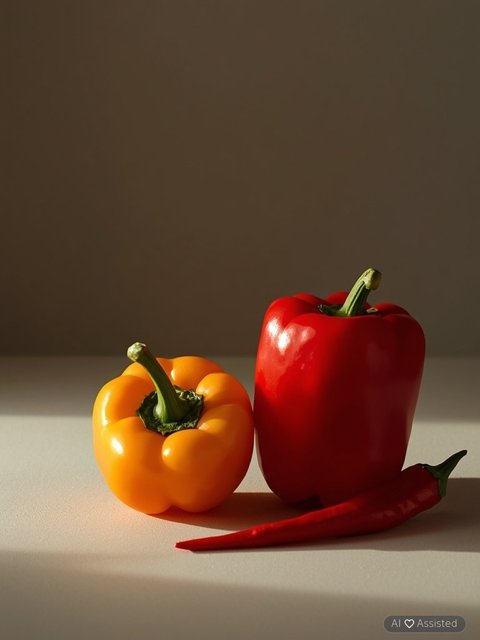
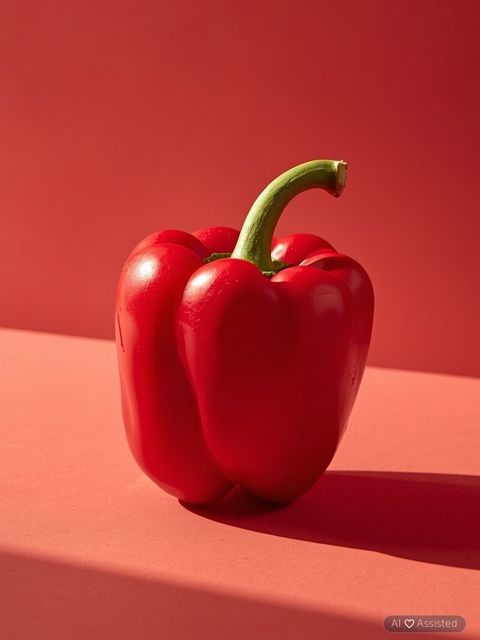
Yellow Bell Pepper – Health Benefits, Lutein and Zeaxanthin, Nutritional Value, and Vitamin Profile

| Diets Premium Expert Max Müller | min read 3 min | Scientifically reviewed by a clinical dietitian 23.10.2026 |
Smart Voice
•Listen to the article content live
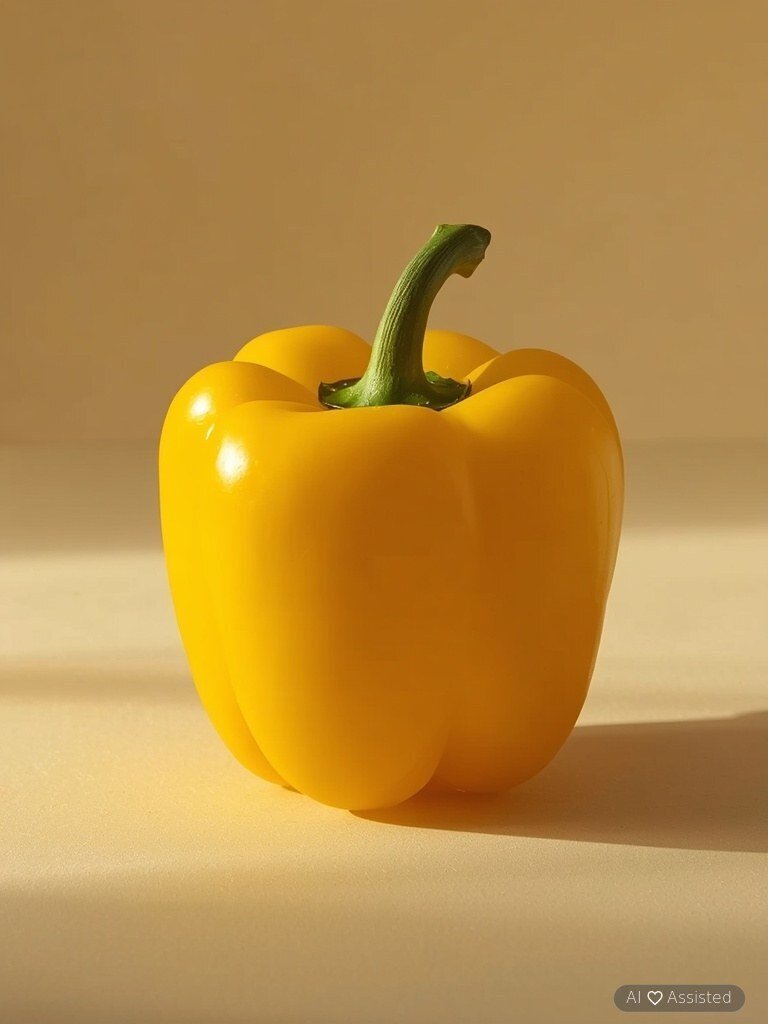
Yellow bell pepper, a vibrant culinary emblem of late summer and golden autumn, has long been a staple in homemade preserves, fresh salads, and Mediterranean and Central European dishes. It is prized for its mild, naturally sweet flavor and succulent, crisp flesh.
Biochemically, the yellow variety stands out as one of the richest dietary sources of the xanthophyll carotenoids lutein and zeaxanthin, which selectively accumulate in the retinal macula to safeguard vision while working alongside vitamins C and E to support cardiovascular health and skin elasticity.
Want to apply these guidelines in your daily diet?
Our smart diet generator creates a tailored meal plan in 3 minutes based on the recommendations in this article.
Botanical Characteristics and Origins of Yellow Bell Pepper
The bell pepper (Capsicum annuum) originated in South and Central America before spreading across Europe, where it became a hallmark of Hungarian and Mediterranean gastronomy. Botanically, it belongs to the nightshade family (Solanaceae) alongside tomatoes, eggplants, and potatoes. Today it is globally valued both as a crisp raw vegetable and as a foundational ingredient in cooked dishes.
The bright yellow hue of the fruit results from a high concentration of specific xanthophyll carotenoids—primarily lutein, zeaxanthin, and violaxanthin—combined with the absence of red capsanthin pigments. This gives yellow bell pepper a gentler, less astringent flavor than green pepper and a milder fruity sweetness than deep-red cultivars.
Lutein, Zeaxanthin, and Health-Promoting Properties of Yellow Bell Pepper
The standout clinical benefit of yellow bell pepper lies in its rich supply of lutein and zeaxanthin, the two xanthophyll carotenoids that form the macular pigment of the human retina. Acting as a natural optical filter against high-energy blue light and scavenging reactive oxygen species within photoreceptor cells, these compounds significantly lower the risk of age-related macular degeneration (AMD) and cataracts.
Additionally, the bioflavonoids and antioxidants in yellow bell pepper support vascular endothelial function, aid in blood pressure regulation, and inhibit the oxidative modification of LDL cholesterol. By stimulating collagen synthesis and counteracting oxidative stress, regular intake of yellow bell pepper promotes skin elasticity, supports nervous system resilience, and reduces fatigue.
Nutritional Value, Caloric Density, and Dietary Fiber in Yellow Bell Pepper
Yellow bell pepper is a low-calorie vegetable with a low glycemic index (GI = 15), making it an excellent choice for weight-loss regimens and glycemic management. A 100 g serving of fresh yellow bell pepper provides approximately 27 kcal, 1.0 g of protein, barely 0.2 g of fat, and 5.3–6.0 g of carbohydrates responsible for its pleasant sweetness.
Each 100 g portion of fresh pepper also supplies roughly 1.7–2.0 g of dietary fiber, which nourishes beneficial gut microbiota and supports regular bowel function. Its mineral profile features abundant potassium (approx. 212 mg / 100 g) alongside phosphorus, magnesium, calcium, and iron, whose intestinal absorption is enhanced by the pepper's high endogenous vitamin C content.
Vitamin Profile of Yellow Bell Pepper and Culinary Applications
Yellow bell pepper boasts an exceptionally high concentration of vitamin C (often reaching 130–150 mg per 100 g of fresh flesh) alongside substantial amounts of vitamin E, widely known as the 'vitamin of youth.' Its vitamin spectrum is further complemented by B-complex vitamins—particularly vitamin B6 (pyridoxine) and folate—as well as vitamin K and provitamin A.
To maximize the bioavailability of both water-soluble vitamin C and fat-soluble carotenoids (lutein and zeaxanthine) and vitamin E, enjoy raw yellow bell pepper in salads dressed with extra-virgin olive oil or flaxseed oil, or pair it with avocado, nuts, or eggs. It is equally delicious roasted, grilled, braised in vegetable stews, or blended into velvety roasted pepper soups.
Tags

mgr Max Müller
✓Diets Premium Expert
Diets Premium team expert. Specializes in nutrition plans, strength sports, and training plans.
View Profile →