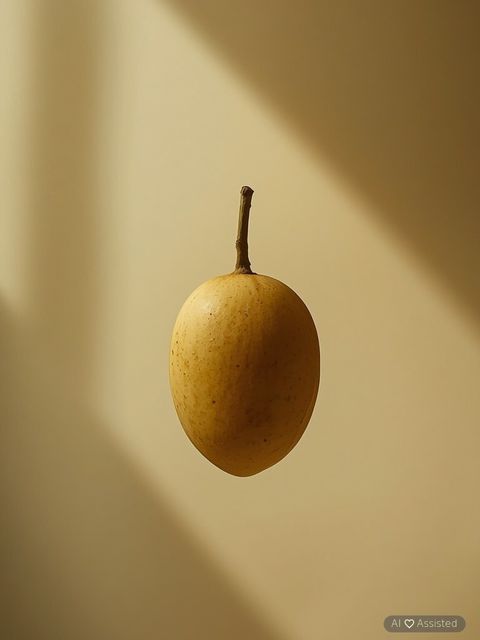
Mandarins – nutritional properties, caloric value, and a homemade recipe for fragrant mandarin liqueur

Tomasz Jankowski
✓
Diets Premium Expert • 24.09.2026
✓
Scientifically reviewed by a clinical dietitian:
This article has been peer-reviewed for adherence to IŻŻ, WHO, and PTGiP clinical nutritional standards.
| Diets Premium Expert Tomasz Jankowski | min read 4 min | Scientifically reviewed by a clinical dietitian 24.09.2026 |
Smart Voice
•Listen to the article content live
0:00
/
0:00
Key Takeaways
This small yet remarkably fragrant citrus fruit, closely related to the orange, has long been an integral part of holiday traditions owing to its intense, sweet aroma and succulent, juice-filled pulp. While for many of us mandarins evoke the essence of winter festivities and serve as a beloved snack, they also harbor a wealth of nutrients with beneficial effects on the body. Which specific bioactive compounds do they contain, and how can they be utilized not only in culinary applications but also in the crafting of refined homemade liqueurs?
Meal Plan
Want to apply these guidelines in your daily diet?
Our smart diet generator creates a tailored meal plan in 3 minutes based on the recommendations in this article.
Mandarines and other edible mushrooms
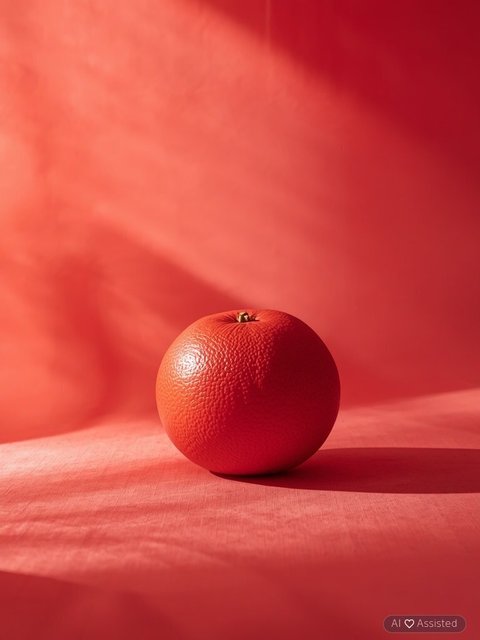
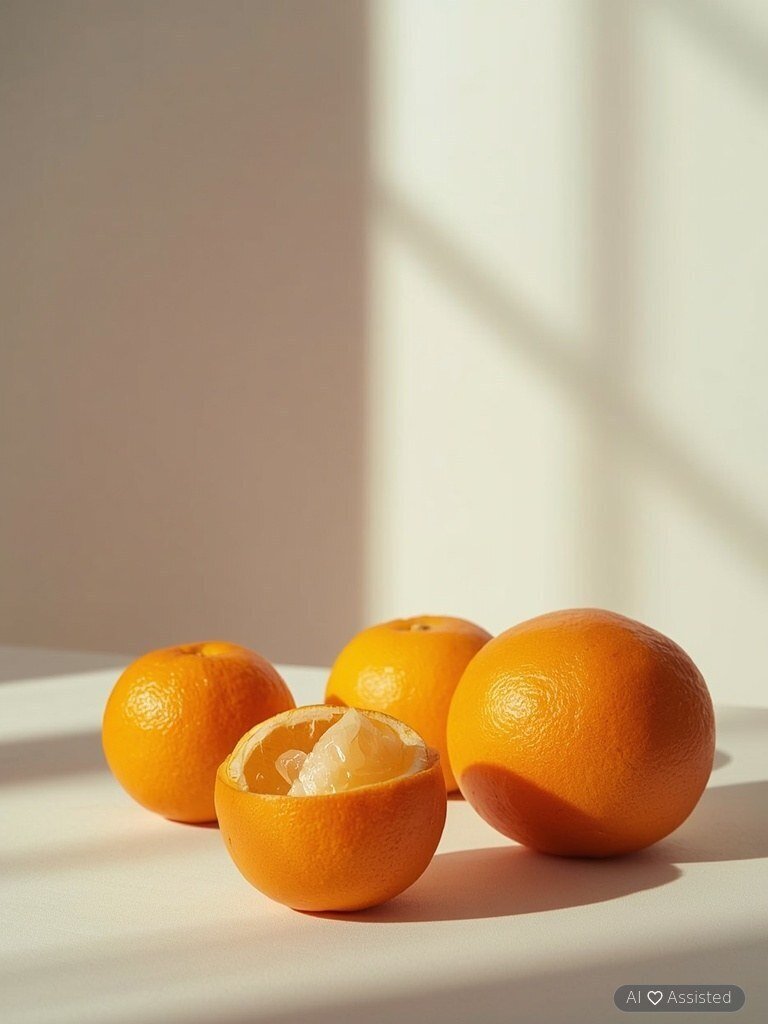
Mandarins originated in China, but these days they are grown in many parts of the world. They look like a round ball that someone flattened with their hand. They have a pleasant, sweet taste, and after cutting the skin, they release aromatic essential oils, the scent of which floats in the room.
The properties of mandarins
A serving of three medium mandarins delivers a wealth of vital micronutrients with minimal caloric burden. Mandarins are exceptionally rich in vitamin C, supporting immune defenses, collagen synthesis, and non-heme iron absorption. They also provide provitamin A carotenoids (notably beta-cryptoxanthin), folate, potassium, and calcium. Bioactive citrus flavonoids like nobiletin and tangeretin exert documented anti-inflammatory and cardioprotective effects. With a modest glycemic index and soluble pectin fiber, mandarins improve intestinal peristalsis, relieve constipation, and fit harmoniously into dietary plans for glycemic control.
Mandarins are calories
The caloric density of mandarins is pleasantly low: 100 g of edible pulp provides approximately 51 kcal. The energy derives predominantly from natural carbohydrates (around 13 g per 100 g), including nearly 2 g of dietary fiber. Protein is minimal (under 1 g), and fat content is virtually negligible (around 0.3 g). Composed of over 85% water, mandarins are an excellent hydrating snack that promotes satiety while refreshing the palate.
Other, of a fat content, by weight, not exceeding 50% by weight
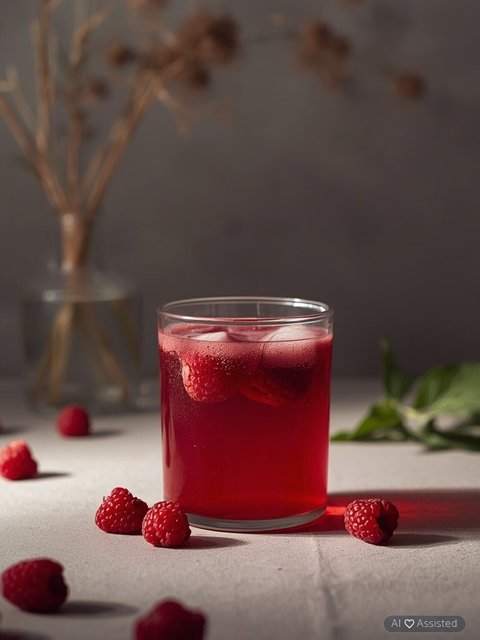
Mandarin zest and pulp can be crafted into a traditional, fragrant citrus liqueur. Ingredients: 1 kg of ripe, organic mandarins, 500 ml of neutral spirit or 50% vodka, 300 g of cane sugar or honey, and 250 ml of water. Method: Thoroughly wash and scald the fruit. Pare the outer zest without the bitter white pith, place in a clean glass jar with peeled segments, and pour in the alcohol. Macerate in a cool, shaded spot for 3 to 4 weeks with occasional shaking. Strain the infusion, blend with prepared cooled sugar syrup, and allow to mature for at least four weeks before serving. Please enjoy alcohol responsibly and in moderation.
Tags

mgr Tomasz Jankowski
✓Diets Premium Expert
Diets Premium team expert. Specializes in nutrition plans, strength sports, and training plans.
View Profile →