Distinctive traits of raspberries – evidence-based preservation techniques for winter storage

Kacper Nowak
✓
Diets Premium Expert • 23.10.2026
✓
Scientifically reviewed by a clinical dietitian:
This article has been peer-reviewed for adherence to IŻŻ, WHO, and PTGiP clinical nutritional standards.
| Diets Premium Expert Kacper Nowak | min read 4 min | Scientifically reviewed by a clinical dietitian 23.10.2026 |
Smart Voice
•Listen to the article content live
0:00
/
0:00
Key Takeaways
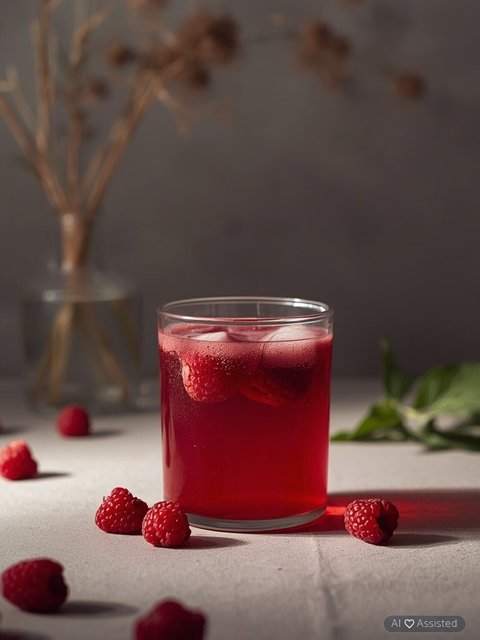
Opting for seasonal vegetables and fruits ensures the acquisition of produce with peak concentrations of essential nutrients—including minerals, vitamins, and bioactive compounds—while also benefiting from lower market prices. The summer months present an ideal opportunity to focus on berry fruits, among which raspberries stand out due to their high antioxidant content and distinctive flavor profile.
Meal Plan
Want to apply these guidelines in your daily diet?
Our smart diet generator creates a tailored meal plan in 3 minutes based on the recommendations in this article.
Fresh fruit and vegetables
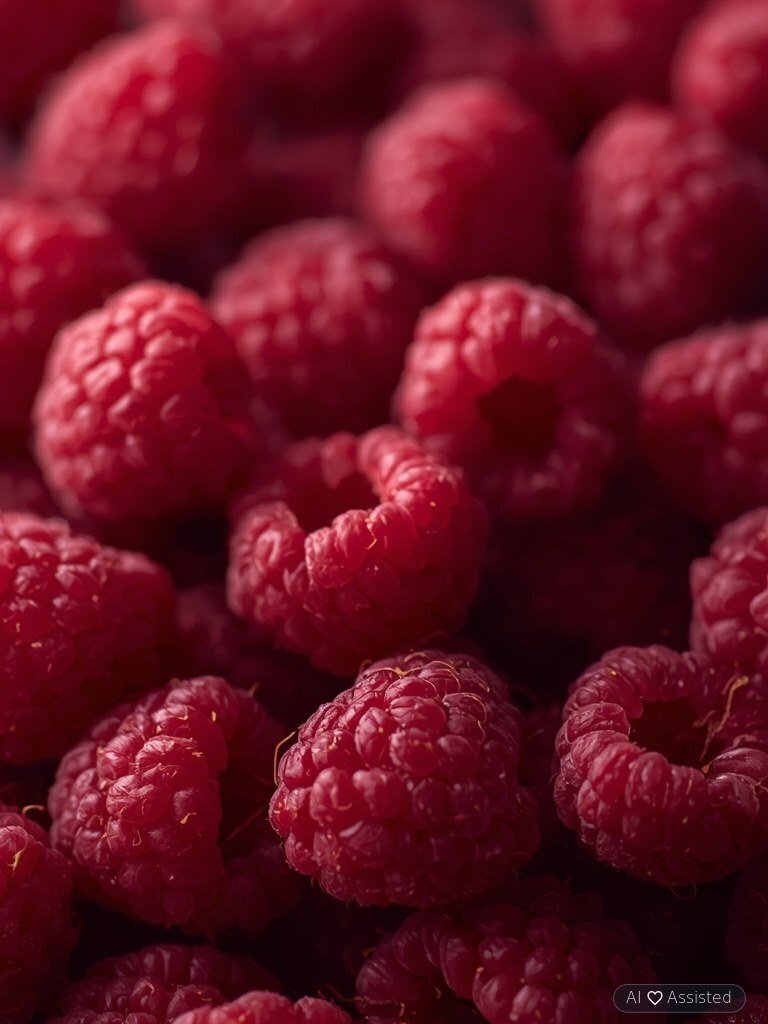
The raspberry (Rubus idaeus) is a perennial shrub reaching up to 2 meters in height, widely cultivated across temperate zones. It produces biennial canes that bear fragrant, juicy aggregate fruits with a characteristic sweet-tart flavor profile. Depending on the cultivar, flowering extends from late spring through mid-summer, yielding harvest-ready berries throughout the summer and autumn.
Changes
Rubus idaeus is the most well-known variety of raspberries. It provides not only fruits but also leaves that are a source of pickles. Other species of rasps are the omson raspberry (Rubus strigosus) and the black raspy (Rbus occidentalis), which is called the western raspy. Their tastes are similar to the classical red variety. In addition to the color, they also differ in date of harvest [1].
The properties of raspberries
Primarily, it has anti-inflammatory, anti-fever, and anti-anxiety properties. It contains organic acids such as lemon syrup, apple juice, and dried fruit juice. While extract from the leaves of raspberries acts as a drainage, antifungal and antibacterial agent that may help with diarrhoea. It also has a debilitating effect on the smooth muscles of the uterus, intestines, and blood vessels.
Can you eat them when you're pregnant?
Among pregnant women, there are many myths about prohibited foods. One of them is raspberries. It can be eaten safely. It contains polyphenols and many vitamins. However, it should be remembered that they are also a source of fructose simple carbohydrates.
It's a winter squash
Outside of the season, you can also enjoy the taste of frozen fruit or fruit products. During heat treatment, some active substances are destroyed.
Manufacture from materials of any heading, except that of iron or non-alloy steel, not further worked than hot-rolled (cold-reduced)
While fresh raspberries offer peak nutritional value, homemade preserves—such as jams, confitures, and fruit syrups—preserve their benefits for winter. Recipe for homemade raspberry jam: Ingredients include 2 kg of fresh raspberries, 600–800 g of cane sugar or xylitol, and the freshly squeezed juice of one lemon. Combine the berries with the sweetener and rest for 2 hours to release juices. Simmer gently over low heat for 30–40 minutes while stirring until thickened, then blend in the lemon juice. Ladle the hot jam into sterilized glass jars, seal tightly, and pasteurize in a water bath for 15 minutes. Store in a cool pantry.
How many calories do raspberries contain?
Raspberries are exceptionally low in calories: 100 g of fresh berries provides merely 52 kcal. They supply nearly 6.5 g of dietary fiber, making them one of the finest natural tools for digestive regularity and satiety. Their rich profile of ellagic acid, anthocyanins, and vitamin C protects cardiovascular integrity and reduces chronic oxidative stress. Thanks to their low glycemic index, they are safely recommended for weight management and pregnancy.
Tags

Kacper Nowak
✓Diets Premium Expert
Diets Premium team expert. Specializes in nutrition plans, strength sports, and training plans.
View Profile →