Breastfeeding: How Long and When to Transition to the Bottle

Emilia Szymańska
Emilia Szymańska ✓
Diets Premium Expert • 25.09.2026
✓
Scientifically reviewed by a clinical dietitian: This article has been peer-reviewed for adherence to IŻŻ, WHO, and PTGiP clinical nutritional standards.
Diets Premium Expert Emilia Szymańska min read 3 min Scientifically reviewed by a clinical dietitian 25.09.2026
Breastfeeding: How Long and When to Transition to the Bottle

Smart Voice

•

Listen to the article content live

0:00 / 0:00
Key Takeaways
The body of a newly born infant experiences extremely rapid processes of change and development that will not occur in any other life phase with such intensity. In this time, when the demand for all essential nutrients, vitamins, and minerals, in which the mother's diet is involved, is at its peak, is crucial for the baby and its proper growth.
Meal Plan

Want to apply these guidelines in your daily diet?

Our smart diet generator creates a tailored meal plan in 3 minutes based on the recommendations in this article.

Determining the ideal duration of breastfeeding: When and how to wean?

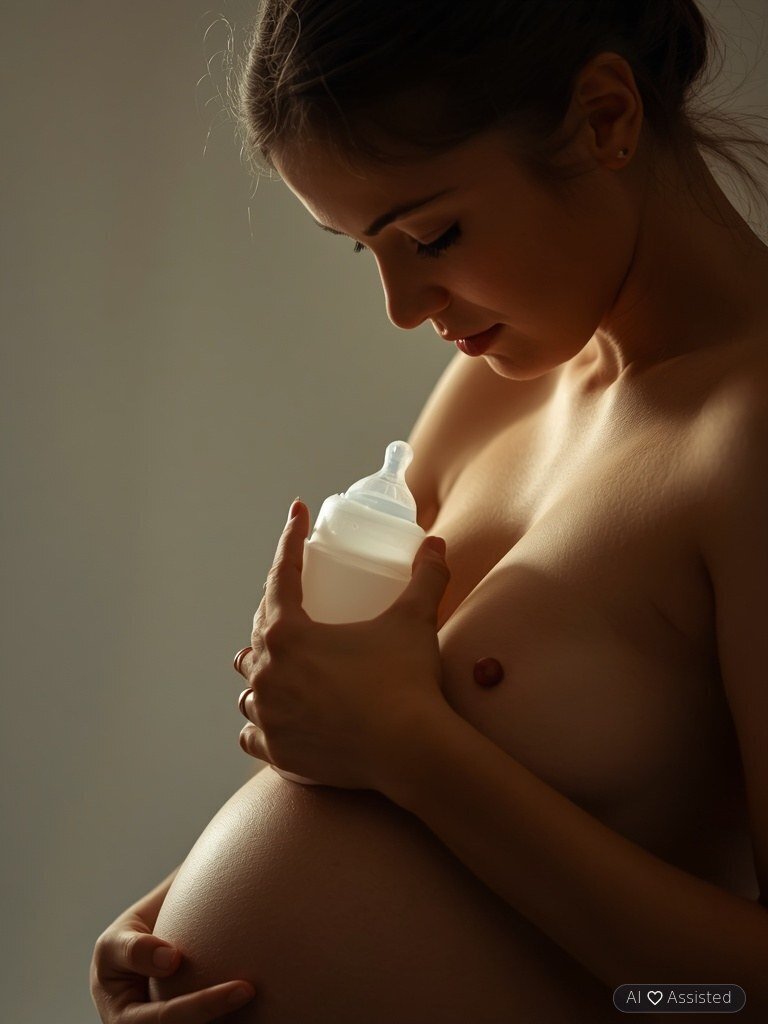
Breastfeeding provides not only essential nutritional components for a developing infant but also sustains immunological protection throughout the lactation period—and often beyond weaning. The decision to discontinue breastfeeding is highly individualized, typically determined collaboratively by the mother and child. The World Health Organization (WHO) advises that breastfeeding, which demonstrably benefits infant health and development, should continue for a minimum of six months. Following this period, complementary foods should be gradually introduced while maintaining breastfeeding until at least the child’s first birthday. Some expert guidelines extend this recommendation to two years or longer. Regardless of duration, breastfeeding for at least six months significantly enhances the maturation of the infant’s immune system. The transition to alternative feeding methods should proceed gradually, with careful attention to the child’s cues—such as disinterest in nursing, fussiness, or refusal during feeds. In certain cases, the mother may initiate weaning due to diminished milk supply, return to employment, fatigue, or personal circumstances. While breast milk remains the gold standard in infant nutrition, a mother should not feel obligated to continue breastfeeding against her own judgment if she determines that the time for change has arrived.

A Gradual Guide to Weaning: Evidence-Based Strategies for Transitioning from Breastfeeding

Transitioning an infant from breastfeeding to alternative feeding methods demands a measured, incremental approach to minimize stress for both the child and the mother. An abrupt cessation of breastfeeding may induce distress in the infant; therefore, healthcare professionals advocate for a phased replacement of individual feedings with substitute nutrition—initially at intervals of several days, followed by progressively shorter periods. To facilitate adaptation, an intermediate step involving the administration of expressed breast milk via bottle can be introduced, allowing the infant to acclimate to the new feeding modality while retaining familiarity with the mother’s milk. Subsequent introduction of formula will then proceed more smoothly. It is critical for the mother to provide consistent emotional support during this transition—through cuddling, skin-to-skin contact, and calm presence during bottle-feeding—to compensate for the absence of direct breastfeeding bonding. Gradual weaning also supports the infant’s immunological resilience, as the incremental reduction of breast milk enables a natural fortification of defenses prior to the introduction of novel foods. Beyond its nutritional benefits, breastfeeding fosters an irreplaceable emotional connection between mother and child, positively influencing the infant’s psychomotor development. The World Health Organization (WHO) emphasizes that even six months of breastfeeding significantly lowers the risk of infections and allergies; however, the decision to wean should align with the family’s unique circumstances, always prioritizing patience and gentleness.
mgr Emilia Szymańska

mgr Emilia Szymańska

✓

Diets Premium Expert

Diets Premium team expert. Specializes in nutrition plans, strength sports, and training plans.

View Profile →

Recommended articles in this category

Related Articles

Discover similar publications and expert insights.

Breastfeeding nutrition - essential dietary factors supporting lactation and health
Health Conditions
Breastfeeding nutrition - essential dietary factors supporting lactation and health
⏱ 6 min czytania 📚 Health Conditions
#Breastfeeding Nutrition #Essential Nutrients
Celeriac – characteristics, juice, recipes... Leaves of celery
Essential Nutrients
Celeriac – characteristics, juice, recipes... Leaves of celery
⏱ 6 min czytania
#Essential Nutrients #Essential Oils
Zucchini: Health benefits, nutritional value, vitamins and dietary recipes
Essential Nutrients
Zucchini: Health benefits, nutritional value, vitamins and dietary recipes
⏱ 4 min czytania
#Essential Nutrients #Nutritional Composition
Distinctive traits of raspberries – evidence-based preservation techniques for winter storage
Fruits
Distinctive traits of raspberries – evidence-based preservation techniques for winter storage
⏱ 4 min czytania 📚 Fruits
#Seasonal Vegetables #Bioactive Compounds
Early Stages of Breastfeeding – Key Considerations for Nursing Mothers
Pregnancy & Motherhood
Early Stages of Breastfeeding – Key Considerations for Nursing Mothers
⏱ 8 min czytania 📚 Pregnancy & Motherhood
#Essential Nutrients #Breastfeeding
Health benefits of Kalarepa... Health benefits of Kalarepa during pregnancy, for infants, recipes... How to consume Kalarepa?
Health
Health benefits of Kalarepa... Health benefits of Kalarepa during pregnancy, for infants, recipes... How to consume Kalarepa?
⏱ 4 min czytania 📚 Health
#Antioxidants #Health Benefits
How to Properly Prepare for Pregnancy? What Foods and Vitamins to Consume Before Planning to Get Pregnant?
Pregnancy & Motherhood
How to Properly Prepare for Pregnancy? What Foods and Vitamins to Consume Before Planning to Get Pregnant?
⏱ 4 min czytania 📚 Pregnancy & Motherhood
#Vitamins #Pregnancy
Barley groats
Pregnancy & Motherhood
Barley groats
⏱ 2 min czytania 📚 Pregnancy & Motherhood
#Gluten #Zinc
Hairless Nectarines
Pregnancy & Motherhood
Hairless Nectarines
⏱ 3 min czytania 📚 Pregnancy & Motherhood
#Peaches #Vitamins
Peanut Butter and Paste: Comprehensive Nutritional Density, Health Profile, and Dietary Applications
Food Science
Peanut Butter and Paste: Comprehensive Nutritional Density, Health Profile, and Dietary Applications
⏱ 3 min czytania 📚 Food Science
#Metabolic Efficiency #Fetal Development
Comprehensive Guide to Asparagus Preparation: Peeling Techniques, Optimal Cooking Methods, Freezing Protocols, and Serving Suggestions
Pregnancy & Motherhood
Comprehensive Guide to Asparagus Preparation: Peeling Techniques, Optimal Cooking Methods, Freezing Protocols, and Serving Suggestions
⏱ 5 min czytania 📚 Pregnancy & Motherhood
#Crisp Texture #Vegetable
Novel Phytochemical Frontiers: Sulforaphane, Anthocyanins, Senolytic Quercetin, and Urolithin A in Plant Nutrition
Pregnancy & Motherhood
Novel Phytochemical Frontiers: Sulforaphane, Anthocyanins, Senolytic Quercetin, and Urolithin A in Plant Nutrition
⏱ 4 min czytania 📚 Pregnancy & Motherhood
#Plant-Based Foods #Dietary Prevention
Rice-based beverages in the diets of expectant mothers, nursing women, infants, and young children – nutritional evaluation and safety considerations
Pregnancy & Motherhood
Rice-based beverages in the diets of expectant mothers, nursing women, infants, and young children – nutritional evaluation and safety considerations
⏱ 4 min czytania 📚 Pregnancy & Motherhood
#Essential Nutrients #Dietary Preferences
The Vital Role of EPA and DHA in Pregnancy and Infancy: Fetal Neurodevelopment, Retinal Maturation, and Preterm Birth Prevention
Nutritional Science
The Vital Role of EPA and DHA in Pregnancy and Infancy: Fetal Neurodevelopment, Retinal Maturation, and Preterm Birth Prevention
⏱ 6 min czytania 📚 Nutritional Science
#Omega-3 And Omega-6 Fatty Acids #Polyunsaturated Fatty Acids
Yeast: Better as a Beverage or in Tablet Form?
Nutrition
Yeast: Better as a Beverage or in Tablet Form?
⏱ 4 min czytania 📚 Nutrition
#Drink #Nutritional Yeast
Food Yeast – Properties, Composition, Vitamines, Effects and Side Effects
Nutrition
Food Yeast – Properties, Composition, Vitamines, Effects and Side Effects
⏱ 4 min czytania 📚 Nutrition
#Health Benefits #Beverages
Pumpkin
Nutrition
Pumpkin
⏱ 2 min czytania 📚 Nutrition
#Carotenoids #Vitamin C
The Effect of Vitamin E: What It Is and Where to Find It
Nutrition
The Effect of Vitamin E: What It Is and Where to Find It
⏱ 4 min czytania 📚 Nutrition
#Disease Prevention #Antioxidant
Wild Rice: Properties, Prices and Recipes. Which Rice Is the Healthiest?
Dietary Fiber
Wild Rice: Properties, Prices and Recipes. Which Rice Is the Healthiest?
⏱ 6 min czytania
#Dietary Fiber #Fiber
Food Fortification – Types, Benefits, Drawbacks, and Rules
Health Benefits
Food Fortification – Types, Benefits, Drawbacks, and Rules
⏱ 5 min czytania
#Health Benefits #Food Fortification
How to Correct a Vitamin D Deficiency in the Body?
Vitamins
How to Correct a Vitamin D Deficiency in the Body?
⏱ 4 min czytania
#Vitamins
How to Strengthen the Nervous System? Nutrition and Vitamines for the Nervous System
Nutrition
How to Strengthen the Nervous System? Nutrition and Vitamines for the Nervous System
⏱ 4 min czytania
#Nutrition #Anxiety
Hashimoto’s Disease – Impact of Vitamin D and Gluten. How to Eat with Hashimoto’s?
Hashimoto's Disease
Hashimoto’s Disease – Impact of Vitamin D and Gluten. How to Eat with Hashimoto’s?
⏱ 3 min czytania
#Hashimoto's Disease #Vitamin B9
Orange peel... How to prepare orange peel?
Vitamins
Orange peel... How to prepare orange peel?
⏱ 5 min czytania
#Vitamins #Orange
Beetroot in the Athletic Diet – Nitrates, Nitric Oxide (NO), and Aerobic Performance Optimization
Vitamins
Beetroot in the Athletic Diet – Nitrates, Nitric Oxide (NO), and Aerobic Performance Optimization
⏱ 4 min czytania
#Vitamins #Balanced Diet
Important Reasons for Taking Vitamin D3 with K2
Vitamin D3
Important Reasons for Taking Vitamin D3 with K2
⏱ 3 min czytania
#Vitamin D3 #Vitamins
Excess Nutrients in the Body – Consequences, Causes, and Symptoms of Hypervitaminosis
Vitamins
Excess Nutrients in the Body – Consequences, Causes, and Symptoms of Hypervitaminosis
⏱ 4 min czytania
#Vitamins
Grapefruit: Properties, Vitamins and Effects on Medication
Grapefruit
Grapefruit: Properties, Vitamins and Effects on Medication
⏱ 4 min czytania
#Grapefruit #Vitamins
Orange beverage that surpasses the freshness of the fruit
Fruit Juice Beverage
Orange beverage that surpasses the freshness of the fruit
⏱ 1 min czytania
#Fruit Juice Beverage #Processed Beverage
Everything You Should Know About Vitamin B12
Vitamin B12
Everything You Should Know About Vitamin B12
⏱ 4 min czytania
#Vitamin B12 #Vitamins

Share