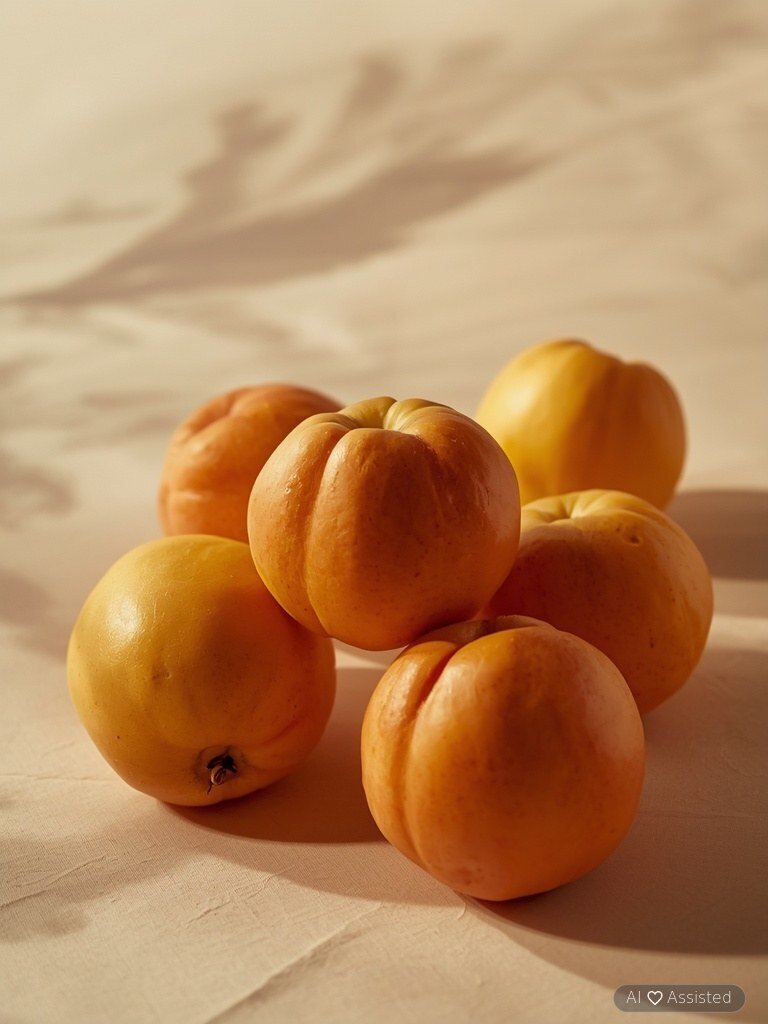
Hairless Nectarines

Max Müller
Max Müller ✓
Diets Premium Expert • 24.09.2026
✓
Scientifically reviewed by a clinical dietitian: This article has been peer-reviewed for adherence to IŻŻ, WHO, and PTGiP clinical nutritional standards.
Diets Premium Expert Max Müller min read 3 min Scientifically reviewed by a clinical dietitian 24.09.2026
Hairless Nectarines

Smart Voice

•

Listen to the article content live

0:00 / 0:00
Key Takeaways
Nectarines, which are hairless peaches, contain many valuable nutrients, including vitamin C, which strengthens blood vessels and fortifies the body, as well as vitamin B3, beta-carotene, vitamin E, potassium, and copper. Other B vitamins and vitamin K are present in them in small amounts. Therefore, nectarines are recommended for those suffering from anemia, pregnant women, and the elderly, as well as those who wish to avoid excessive sodium in their diet.
Meal Plan

Want to apply these guidelines in your daily diet?

Our smart diet generator creates a tailored meal plan in 3 minutes based on the recommendations in this article.

Comprehensive nutritional analysis of peaches – key vitamins and minerals for optimal health

Peaches represent a nutrient-dense fruit characterized by a robust profile of bioactive compounds, with ascorbic acid (vitamin C) serving as the cornerstone nutrient due to its pivotal role in collagen synthesis, vascular integrity, and immune system modulation. Beyond its high vitamin C content, this fruit delivers significant quantities of niacin (vitamin B3), provitamin A carotenoids (primarily β-carotene), α-tocopherol (vitamin E), and essential minerals such as potassium and copper—critical for maintaining cardiac rhythm, nerve conduction, and redox balance. Trace amounts of additional B-complex vitamins (including riboflavin and folate) alongside phylloquinone (vitamin K1) further enhance its nutritional value, positioning peaches as an optimal dietary component for vulnerable populations, including individuals with iron-deficiency anemia, expectant mothers, and the elderly. Notably absent in sodium, peaches align seamlessly with low-sodium dietary regimens prescribed for hypertensive patients. The fruit’s rich polyphenolic matrix confers anti-aging benefits by mitigating collagen degradation, while its gentle diuretic properties facilitate the excretion of metabolic waste products. Of particular interest is the presence of boron—a trace mineral that modulates estrogen metabolism, offering potential relief for women experiencing menopausal symptoms. As an alkalizing fruit, peaches help counteract gastric acidity, providing natural relief for those prone to gastroesophageal reflux. Regular consumption is likewise advised for individuals managing rheumatic conditions or urinary tract disorders, owing to the fruit’s anti-inflammatory phytochemical constituents.

Does a peach actually contribute meaningful calories? A comprehensive nutritional breakdown of this juicy fruit

Comprising nearly ninety percent water by weight, peaches exhibit exceptional digestibility due to their high fluid content. With just forty-six kilocalories per one hundred grams of edible flesh, they represent an optimal choice for calorie-conscious dietary regimens. Their nutritional composition is further enhanced by one and a half grams of dietary fiber—a compound that not only promotes intestinal motility but also accelerates the overall digestive process. Consequently, peaches may serve as a valuable dietary adjunct for individuals experiencing recurrent constipation. Additionally, their biochemical profile includes ten grams of simple carbohydrates, one gram of complete plant-based protein, and a mere two-tenths of a gram of lipids, thereby confirming their low-fat nutritional characteristics.

Properties and culinary-cosmetic applications of peach fruit

Peaches retain their peak nutritional profile when consumed fresh, immediately post-harvest, as processing into canned forms results in substantial losses of bioactive compounds, while immersion in sugar syrup further elevates the content of empty calories. A superior preservation method that mitigates nutrient degradation is dehydration, which effectively retains the majority of vitamins, minerals, and phytochemicals. These fruits integrate seamlessly into baked goods—such as cheesecakes or fruit tarts—and serve as an excellent base for homemade preserves, including jams and conserves, which provide a concentrated source of vitamin C during winter months. Increasingly, peaches are also incorporated into savory dishes, particularly meat-based recipes, where they introduce a distinctive sweet-tart flavor dimension. Nectarines, a smooth-skinned cultivar of peaches, extend beyond culinary applications into the cosmetic sector; their extracts are utilized in hair care formulations and skincare products. DIY facial masks prepared from peach pulp exhibit toning, hydrating, and brightening properties, though their lack of synthetic preservatives necessitates refrigeration to prevent premature spoilage.
mgr Max Müller

mgr Max Müller

✓

Diets Premium Expert

Diets Premium team expert. Specializes in nutrition plans, strength sports, and training plans.

View Profile →
Recommended articles in this category

Related Articles

Discover similar publications and expert insights.

Hashimoto’s Disease – Impact of Vitamin D and Gluten. How to Eat with Hashimoto’s?
Hashimoto's Disease
Hashimoto’s Disease – Impact of Vitamin D and Gluten. How to Eat with Hashimoto’s?
⏱ 3 min czytania
#Hashimoto's Disease #Vitamin B9
Barley groats
Pregnancy & Motherhood
Barley groats
⏱ 2 min czytania 📚 Pregnancy & Motherhood
#Gluten #Zinc
Raspberries and Their Remarkable Properties
Rich In Vitamin C
Raspberries and Their Remarkable Properties
⏱ 3 min czytania
#Rich In Vitamin C #Anticancer Properties
Dog Rose – Properties and Uses
Polyphenols
Dog Rose – Properties and Uses
⏱ 2 min czytania
#Polyphenols #Vitamin B9
Peanut Butter and Paste: Comprehensive Nutritional Density, Health Profile, and Dietary Applications
Food Science
Peanut Butter and Paste: Comprehensive Nutritional Density, Health Profile, and Dietary Applications
⏱ 3 min czytania 📚 Food Science
#Metabolic Efficiency #Fetal Development
Choline (substance resembling vitamin B4) – action, products, occurrence
Vitamin D Source
Choline (substance resembling vitamin B4) – action, products, occurrence
⏱ 3 min czytania
#Vitamin D Source #Vitamin C Source
Chlorella Algae - outcomes, accessibility, cost, potential adverse effects
Vitamin A Benefits
Chlorella Algae - outcomes, accessibility, cost, potential adverse effects
⏱ 4 min czytania
#Vitamin A Benefits #Vitamin D Source
The Effect of Vitamin E: What It Is and Where to Find It
Nutrition
The Effect of Vitamin E: What It Is and Where to Find It
⏱ 4 min czytania 📚 Nutrition
#Disease Prevention #Antioxidant
Typical sunflower
Antioxidant
Typical sunflower
⏱ 2 min czytania
#Antioxidant #Magnesium
Black cumin seed oil – health properties, management of acne, allergies, and hair care
Dietary Supplementation
Black cumin seed oil – health properties, management of acne, allergies, and hair care
⏱ 5 min czytania
#Dietary Supplementation #Dermatological
Cold-pressed sunflower seed oil rich in vitamin E
Skin Elasticity
Cold-pressed sunflower seed oil rich in vitamin E
⏱ 2 min czytania
#Skin Elasticity #Sunflower Oil
Vitamin E Deficiency and Excess: Dietary Sources, Antioxidant Mechanisms, and Toxicity Risks
Public Health
Vitamin E Deficiency and Excess: Dietary Sources, Antioxidant Mechanisms, and Toxicity Risks
⏱ 3 min czytania
#Public Health #Dermatological
Pumpkin
Nutrition
Pumpkin
⏱ 2 min czytania 📚 Nutrition
#Carotenoids #Vitamin C
Cabbage (vegetable)
Health
Cabbage (vegetable)
⏱ 3 min czytania 📚 Health
#Vegetable #Vitamin C
Brussels Sprouts – a Cabbage-Family Vegetable with the Highest Vitamin C Content
Brussels Sprouts
Brussels Sprouts – a Cabbage-Family Vegetable with the Highest Vitamin C Content
⏱ 2 min czytania
#Brussels Sprouts #Vegetable
Low-Sugar Peach Jam
Nutrition
Low-Sugar Peach Jam
⏱ 2 min czytania 📚 Nutrition
#Antioxidant #Peach
Green, Red, and White Grapefruit – Contraindications. Is It True They Should Be Eaten in the Morning or Evening?
Antioxidants
Green, Red, and White Grapefruit – Contraindications. Is It True They Should Be Eaten in the Morning or Evening?
⏱ 16 min czytania
#Antioxidants #Calories
Is Extrusion and Expansion of Grains the Right Choice – or Is Expanded Amaranth the Better Option?
Dietary Fiber
Is Extrusion and Expansion of Grains the Right Choice – or Is Expanded Amaranth the Better Option?
⏱ 5 min czytania
#Dietary Fiber #Whole Grains
Buckwheat Groats
Buckwheat Groats
Buckwheat Groats
⏱ 3 min czytania
#Buckwheat Groats #Vitamin B9
How to Properly Prepare for Pregnancy? What Foods and Vitamins to Consume Before Planning to Get Pregnant?
Pregnancy & Motherhood
How to Properly Prepare for Pregnancy? What Foods and Vitamins to Consume Before Planning to Get Pregnant?
⏱ 4 min czytania 📚 Pregnancy & Motherhood
#Vitamins #Pregnancy
Comprehensive Guide to Asparagus Preparation: Peeling Techniques, Optimal Cooking Methods, Freezing Protocols, and Serving Suggestions
Pregnancy & Motherhood
Comprehensive Guide to Asparagus Preparation: Peeling Techniques, Optimal Cooking Methods, Freezing Protocols, and Serving Suggestions
⏱ 5 min czytania 📚 Pregnancy & Motherhood
#Crisp Texture #Vegetable
Novel Phytochemical Frontiers: Sulforaphane, Anthocyanins, Senolytic Quercetin, and Urolithin A in Plant Nutrition
Pregnancy & Motherhood
Novel Phytochemical Frontiers: Sulforaphane, Anthocyanins, Senolytic Quercetin, and Urolithin A in Plant Nutrition
⏱ 4 min czytania 📚 Pregnancy & Motherhood
#Plant-Based Foods #Dietary Prevention
Health benefits of Kalarepa... Health benefits of Kalarepa during pregnancy, for infants, recipes... How to consume Kalarepa?
Health
Health benefits of Kalarepa... Health benefits of Kalarepa during pregnancy, for infants, recipes... How to consume Kalarepa?
⏱ 4 min czytania 📚 Health
#Antioxidants #Health Benefits
Breastfeeding: How Long and When to Transition to the Bottle
Pregnancy & Motherhood
Breastfeeding: How Long and When to Transition to the Bottle
⏱ 3 min czytania 📚 Pregnancy & Motherhood
#Vitamins #Essential Nutrients
Breastfeeding nutrition - essential dietary factors supporting lactation and health
Health Conditions
Breastfeeding nutrition - essential dietary factors supporting lactation and health
⏱ 6 min czytania 📚 Health Conditions
#Breastfeeding Nutrition #Essential Nutrients
Sweet Basil (Common Basil)
Manganese In Diet
Sweet Basil (Common Basil)
⏱ 3 min czytania
#Manganese In Diet #Vitamin E Source
Vitamin C Deficiency: Symptoms, Consequences, and Natural Sources
Energy Deficiency Symptoms
Vitamin C Deficiency: Symptoms, Consequences, and Natural Sources
⏱ 4 min czytania
#Energy Deficiency Symptoms #Carbohydrates For Energy
Dextrorotatory and Levorotatory Ascorbic Acid: A Comparative Analysis of Natural vs. Synthetic Forms
Natural Sources Of Vitamin C
Dextrorotatory and Levorotatory Ascorbic Acid: A Comparative Analysis of Natural vs. Synthetic Forms
⏱ 3 min czytania
#Natural Sources Of Vitamin C #Vitamin B6 Supplement
Folate (Folacin) in Preconception and Pregnancy: Biochemistry, MTHFR Polymorphisms, and Neural Tube Defect Prevention
Nutritional Science
Folate (Folacin) in Preconception and Pregnancy: Biochemistry, MTHFR Polymorphisms, and Neural Tube Defect Prevention
⏱ 3 min czytania 📚 Nutritional Science
#Vitamin D3 Supplementation #Vitamin D Supplementation
The Vital Role of Folate in Men and Children: Spermatogenesis, Cardiology, Cognition, and Pediatric Growth
Nutritional Science
The Vital Role of Folate in Men and Children: Spermatogenesis, Cardiology, Cognition, and Pediatric Growth
⏱ 3 min czytania 📚 Nutritional Science
#Balanced Diet On The Go #Vitamin D3 Supplementation

Share