2 min read

Typical sunflower

Wojciech Wiśniewski
Wojciech Wiśniewski ✓
Diets Premium Expert • 24.09.2026
✓
Scientifically reviewed by a clinical dietitian: This article has been peer-reviewed for adherence to IŻŻ, WHO, and PTGiP clinical nutritional standards.
Diets Premium Expert Wojciech Wiśniewski min read 2 min Scientifically reviewed by a clinical dietitian 24.09.2026
Typical sunflower

Smart Voice

•

Listen to the article content live

0:00 / 0:00
Key Takeaways
The typical sunflower, also known as the sunflower, is a rich source of nutrients. The extract of the typical sunflower contains large amounts of phenolic compounds that exhibit antioxidant properties. The sunflower is also an important source of vitamin E and B vitamins, which affect the proper functioning of the nervous system. The edible seeds of the sunflower contain a large amount of magnesium, which improves the functioning of the nervous system, has a calming effect, and positively affects memory and concentration.
Meal Plan

Want to apply these guidelines in your daily diet?

Our smart diet generator creates a tailored meal plan in 3 minutes based on the recommendations in this article.

Comprehensive nutritional profile of sunflower seeds: A full spectrum of vitamins and essential minerals vital for bodily health

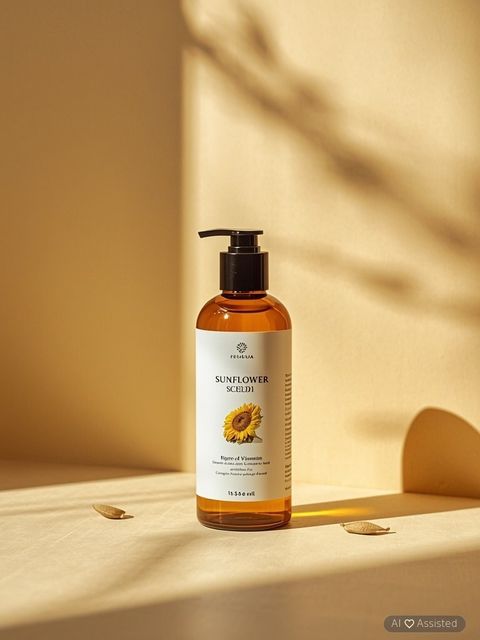
Sunflower seeds, abundant in highly bioactive phenolic compounds, represent an exceptionally valuable source of natural antioxidants that provide cellular protection against oxidative damage. They also constitute one of the most significant plant-based sources of tocopherols (vitamin E) as well as the B-vitamin complex, both of which play a pivotal role in maintaining proper neurotransmitter function and the structural integrity of the nervous system. Consumption of these seeds supplies the body with substantial quantities of magnesium—an essential mineral critical for regulating neuromuscular conductivity, alleviating psychological tension, and enhancing cognitive processes such as memory retention and focus. For this reason, they serve as an excellent nutritious snack, particularly during periods of intense mental exertion, such as exam preparation. The magnesium found in sunflower seeds also exhibits preventive effects against involuntary skeletal muscle spasms and helps mitigate the onset of migraine-like headaches. Additionally, these seeds are a notable source of calcium—a fundamental mineral for osteogenesis—making them an especially valuable dietary component for children in growth phases. Given their high content of heme iron, regular consumption should be considered by individuals at risk of developing anemia, particularly women during pregnancy and menstruation, when the demand for this trace element significantly increases. Sunflower seeds also contain meaningful amounts of potassium—an electrolyte that regulates fluid balance and arterial blood pressure. As an oilseed crop, sunflowers provide ample linoleic acid (omega-6) with a relatively modest proportion of alpha-linolenic acid (omega-3), which unfortunately results in a suboptimal ratio of these fatty acids. For this reason, it is advisable to rotate sunflower oil with other vegetable oils, such as canola oil, to maintain dietary balance. It is crucial to emphasize that the unsaturated fatty acids present in sunflower seeds play an indispensable role in the synthesis of phospholipids within cell membranes, directly influencing the proper functioning of all tissues and organs.

Does the sunflower actually contribute calories? A comprehensive nutritional breakdown of sunflower seeds per 100 grams

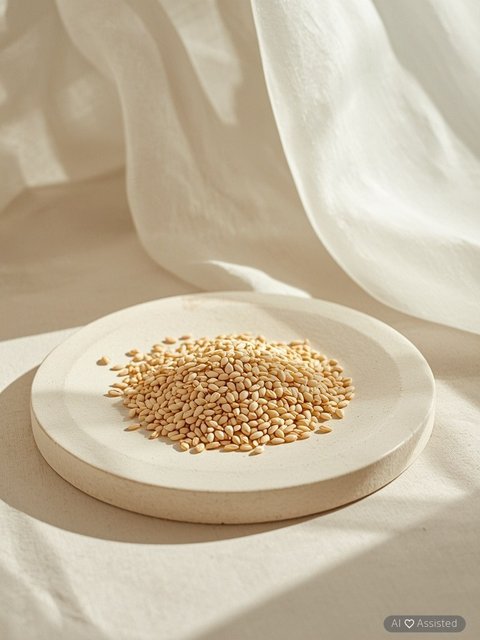
Sunflower seeds exhibit a notable caloric density, providing 561 kilocalories per 100-gram serving. However, owing to their rich composition of health-promoting fatty acids—including both monounsaturated and polyunsaturated varieties—as well as their low glycemic index, they represent a valuable inclusion in a balanced dietary regimen. Furthermore, they deliver a substantial protein content (24.4 grams), a significant fat contribution (43.7 grams), and a moderate carbohydrate supply (18.6 grams), thereby establishing themselves as a comprehensive source of both energy and essential nutrients.

Characteristics and applications of the sunflower plant in nutrition and beyond

Undoubtedly, the most widely distributed product derived from sunflower seeds remains high-quality vegetable oil. Additionally, sunflower seeds themselves constitute a valuable dietary component, distinguished by their rich nutritional profile. Consumption in their raw or minimally processed form is recommended, as thermal processing—particularly when combined with added salt—may diminish their nutritional value and introduce undesirable chemical compounds.
Wojciech Wiśniewski

Wojciech Wiśniewski

✓

Diets Premium Expert

Diets Premium team expert. Specializes in nutrition plans, strength sports, and training plans.

View Profile →
Recommended articles in this category

Related Articles

Discover similar publications and expert insights.

Black cumin seed oil – health properties, management of acne, allergies, and hair care
Dietary Supplementation
Black cumin seed oil – health properties, management of acne, allergies, and hair care
⏱ 5 min czytania
#Dietary Supplementation #Dermatological
Raspberry seed oil usage. The fundamental effect of raspberry seed oil on acne.
Health Benefits Of Raspberries
Raspberry seed oil usage. The fundamental effect of raspberry seed oil on acne.
⏱ 3 min czytania
#Health Benefits Of Raspberries #Health Benefits
Homemade almond butter – health benefits, tested recipes, and a step-by-step guide to preparing it in your own kitchen
Food & Ingredients
Homemade almond butter – health benefits, tested recipes, and a step-by-step guide to preparing it in your own kitchen
⏱ 5 min czytania 📚 Food & Ingredients
#Essential Nutrients #Flavor Enhancement
The Effect of Vitamin E: What It Is and Where to Find It
Nutrition
The Effect of Vitamin E: What It Is and Where to Find It
⏱ 4 min czytania 📚 Nutrition
#Disease Prevention #Antioxidant
Vitamin E Deficiency and Excess: Dietary Sources, Antioxidant Mechanisms, and Toxicity Risks
Public Health
Vitamin E Deficiency and Excess: Dietary Sources, Antioxidant Mechanisms, and Toxicity Risks
⏱ 3 min czytania
#Public Health #Dermatological
Cold-pressed sunflower seed oil rich in vitamin E
Skin Elasticity
Cold-pressed sunflower seed oil rich in vitamin E
⏱ 2 min czytania
#Skin Elasticity #Sunflower Oil
Evening Primrose – Medicinal Properties, Cosmetic Benefits, and Evening Primrose Oil
Fruits
Evening Primrose – Medicinal Properties, Cosmetic Benefits, and Evening Primrose Oil
⏱ 4 min czytania 📚 Fruits
#Traditional Medicine #Fatty Acids
Sesame seeds
Fatty Acids
Sesame seeds
⏱ 3 min czytania
#Fatty Acids #Sesame Seeds
Pumpkin
Nutrition
Pumpkin
⏱ 2 min czytania 📚 Nutrition
#Carotenoids #Vitamin C
Dried cranberry
Fruits
Dried cranberry
⏱ 2 min czytania 📚 Fruits
#Natural Preservative #Magnesium
Rice Noodles – Varieties, Nutritional Profile, Glycemic Index, and Culinary Recipes
Food Science
Rice Noodles – Varieties, Nutritional Profile, Glycemic Index, and Culinary Recipes
⏱ 2 min czytania 📚 Food Science
#Rice Noodles #Magnesium
Sage - Types, effects, side effects... What is sage useful for?
Anti-Inflammatory
Sage - Types, effects, side effects... What is sage useful for?
⏱ 3 min czytania
#Anti-inflammatory #Carbohydrates
Distinctive traits of raspberries – evidence-based preservation techniques for winter storage
Fruits
Distinctive traits of raspberries – evidence-based preservation techniques for winter storage
⏱ 4 min czytania 📚 Fruits
#Seasonal Vegetables #Bioactive Compounds
Whole-Grain Rye Pasta (Type 720) – Nutritional Value, Low Glycemic Index, and Microbiome Benefits
Food Science
Whole-Grain Rye Pasta (Type 720) – Nutritional Value, Low Glycemic Index, and Microbiome Benefits
⏱ 2 min czytania 📚 Food Science
#Bioactive Compounds #Whole Grain Pasta
Optimal thermal processing techniques for vegetables to preserve nutritional value
Nutritional Value
Optimal thermal processing techniques for vegetables to preserve nutritional value
⏱ 3 min czytania
#Nutritional Value #Antioxidant
Tocopherol in your child's diet - Sources and supplementation
Children's Nutrition
Tocopherol in your child's diet - Sources and supplementation
⏱ 4 min czytania
#Children's Nutrition #Child Nutrition
Dietary Supplement: Tocopherol and Its Derivatives
Dietary Supplement
Dietary Supplement: Tocopherol and Its Derivatives
⏱ 4 min czytania
#Dietary Supplement #Vitamin E
Hashimoto’s Disease – Impact of Vitamin D and Gluten. How to Eat with Hashimoto’s?
Hashimoto's Disease
Hashimoto’s Disease – Impact of Vitamin D and Gluten. How to Eat with Hashimoto’s?
⏱ 3 min czytania
#Hashimoto's Disease #Vitamin B9
Barley groats
Pregnancy & Motherhood
Barley groats
⏱ 2 min czytania 📚 Pregnancy & Motherhood
#Gluten #Zinc
Hairless Nectarines
Pregnancy & Motherhood
Hairless Nectarines
⏱ 3 min czytania 📚 Pregnancy & Motherhood
#Peaches #Vitamins
Seeds of Spanish Medicinal Sage: A Potent Source of Omega-3 Fatty Acids and Antioxidative Compounds
Polyunsaturated Fatty Acids
Seeds of Spanish Medicinal Sage: A Potent Source of Omega-3 Fatty Acids and Antioxidative Compounds
⏱ 2 min czytania
#Polyunsaturated Fatty Acids #Cardiovascular Diseases
Health benefits of Kalarepa... Health benefits of Kalarepa during pregnancy, for infants, recipes... How to consume Kalarepa?
Health
Health benefits of Kalarepa... Health benefits of Kalarepa during pregnancy, for infants, recipes... How to consume Kalarepa?
⏱ 4 min czytania 📚 Health
#Antioxidants #Health Benefits
Beetroot in the Athletic Diet – Nitrates, Nitric Oxide (NO), and Aerobic Performance Optimization
Vitamins
Beetroot in the Athletic Diet – Nitrates, Nitric Oxide (NO), and Aerobic Performance Optimization
⏱ 4 min czytania
#Vitamins #Balanced Diet
Dried apricots – nutritional properties, health benefits, and dietary applications
Antioxidants
Dried apricots – nutritional properties, health benefits, and dietary applications
⏱ 3 min czytania
#Antioxidants #Seafood
Passion fruit – nutritional characteristics, purchasing locations, pricing, and practical guidelines for its consumption
Fruits
Passion fruit – nutritional characteristics, purchasing locations, pricing, and practical guidelines for its consumption
⏱ 4 min czytania 📚 Fruits
#Dietary Supplements #Functional Foods
What distinguishes matcha from conventional green teas? Key attributes, preparation techniques, and procurement sources
Food & Ingredients
What distinguishes matcha from conventional green teas? Key attributes, preparation techniques, and procurement sources
⏱ 4 min czytania 📚 Food & Ingredients
#Antioxidants #Traditional
Dried tomatoes – in oil or without flood? How to prepare dried tomatoes
Dried Tomatoes
Dried tomatoes – in oil or without flood? How to prepare dried tomatoes
⏱ 7 min czytania
#Dried Tomatoes #Sun-dried Tomatoes
Lucuma – The Low-Glycemic Andean Fruit: Properties, Nutritional Value, and Dietetic Applications
Functional Foods
Lucuma – The Low-Glycemic Andean Fruit: Properties, Nutritional Value, and Dietetic Applications
⏱ 5 min czytania 📚 Functional Foods
#Nutritional Composition #Natural Sweetness
Nutrition in multiple sclerosis – the role of fats, vitamins, and antioxidants
Antioxidants
Nutrition in multiple sclerosis – the role of fats, vitamins, and antioxidants
⏱ 5 min czytania
#Antioxidants #Nutrition
Sea buckthorn oil – bioactive properties and practical applications in health and cosmetics
Culinary Traditions
Sea buckthorn oil – bioactive properties and practical applications in health and cosmetics
⏱ 3 min czytania
#Culinary Traditions #Dermatological

Share