Homemade almond butter – health benefits, tested recipes, and a step-by-step guide to preparing it in your own kitchen

Laura Schneider
✓
Diets Premium Expert • 24.09.2026
✓
Scientifically reviewed by a clinical dietitian:
This article has been peer-reviewed for adherence to IŻŻ, WHO, and PTGiP clinical nutritional standards.
| Diets Premium Expert Laura Schneider | min read 5 min | Scientifically reviewed by a clinical dietitian 24.09.2026 |
Smart Voice
•Listen to the article content live
0:00
/
0:00
Key Takeaways
Almonds rank among the planet’s most nutritious tree nuts, primarily due to their remarkable concentration of antioxidant-rich vitamin E and heart-healthy monounsaturated oleic acid, which supports optimal lipid metabolism. When transformed into a smooth, spreadable paste, they offer not only a delectable flavor enhancement for countless dishes but also serve as a veritable powerhouse of essential nutrients—beyond the aforementioned fatty acids and tocopherol, they deliver substantial amounts of magnesium (critical for neurological function), copper (which aids iron utilization), and soluble dietary fiber (promoting digestive regularity). Regular consumption has been linked to reductions in low-density lipoprotein (LDL) cholesterol, cementing their status as a cornerstone of a balanced, health-conscious diet.
Meal Plan
Want to apply these guidelines in your daily diet?
Our smart diet generator creates a tailored meal plan in 3 minutes based on the recommendations in this article.
It's almond butter
It has a high energy density, supplying about 600 kcal per 100 g, which is due to the dominant macronutrient, which has very good quality unsaturated fatty acids, accounting for 52% of the product. Moreover, it is worth paying attention to the plant protein content of about 20% and the same amount of carbohydrates, of which half is necessary for the enduring fiber system.
almond butter properties
The properties of good quality almond butter, which is made from almonds only, do not differ greatly from those of unsweetened nuts. almonds are a plant product because they do not contain cholesterol but provide beneficial phytosterols for the prevention of cardiovascular disease. 100 g of almonds contain approximately 143 mg of phytolerol, which, when taken at the appropriate dose, helps patients to reduce cholesterol levels by 10% and LDL by 15%, thereby reducing the risk of coronary artery disease.
Almond butter is the recipe
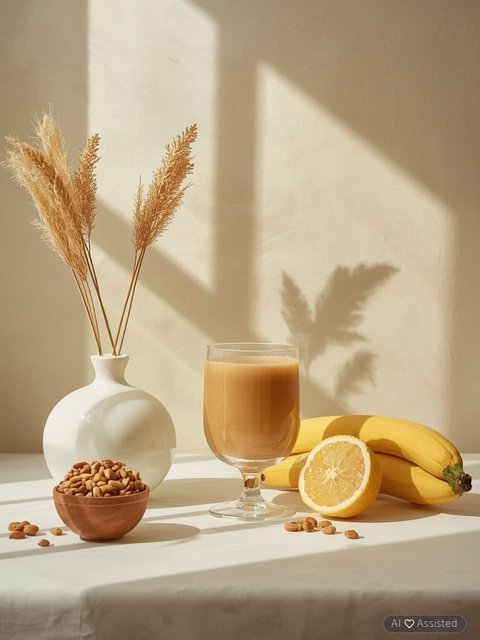
Recipe for Fluffy Chocolate Omelet with Banana and Almond Butter:
Ingredients: 2 farm eggs, 1 ripe banana, 2 tablespoons of oat flour, 1 tablespoon of raw cocoa powder, 1/3 teaspoon of baking powder, 1 generous tablespoon of natural almond butter, and a pinch of Ceylon cinnamon.
Preparation: Whip egg whites with a pinch of sea salt until stiff peaks form. Whisk yolks with oat flour, cocoa, and baking powder, then gently fold into the whipped whites. Cook in an oiled skillet over low heat under a lid for 3 minutes per side until set. Warmly spread with almond butter, top with sliced bananas, and dust with cinnamon for a balanced, protein-rich breakfast.
How do you make almond butter?
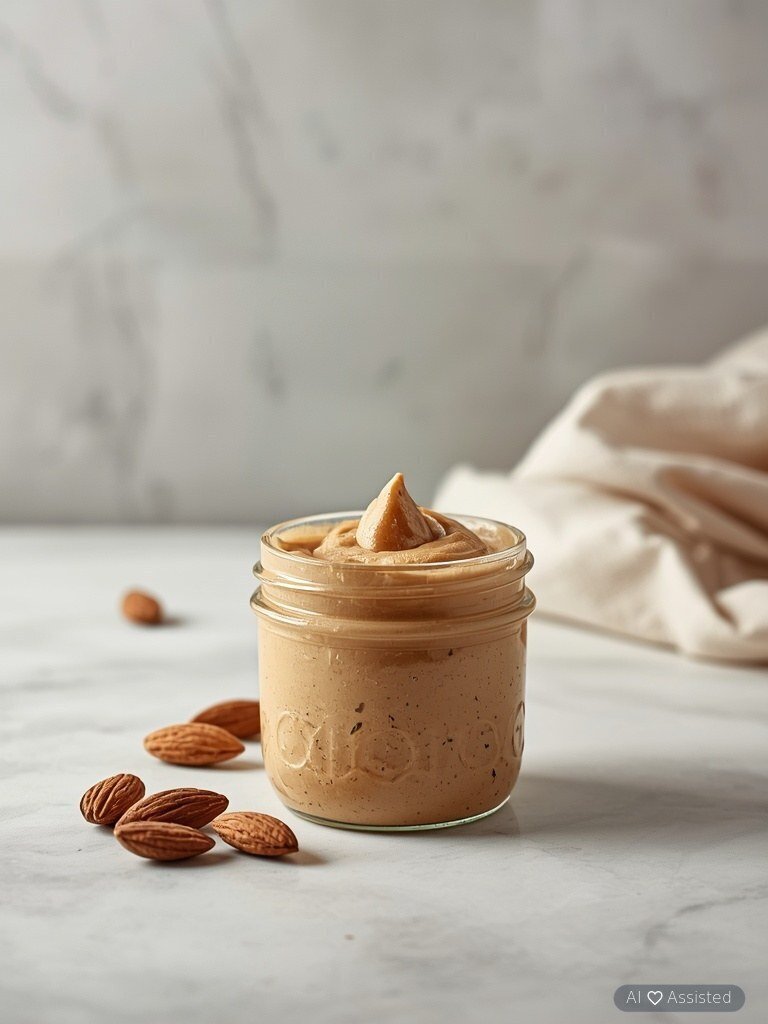
Crafting homemade almond butter is both straightforward and cost-effective. Use 300 to 400 grams of raw almonds (blanched or skin-on). Gently toast the almonds in an oven at 160°C (320°F) for 10 to 12 minutes to warm their natural lipids and intensify flavor. Allow them to cool slightly, then process in a high-powered food processor in intervals, scraping down the sides. Within 8 to 12 minutes, the almonds will transition from coarse meal into a glossy, velvety butter. Store in a glass jar in a cool pantry.
Tags

Laura Schneider
✓Diets Premium Expert
Diets Premium team expert. Specializes in nutrition plans, strength sports, and training plans.
View Profile →