Poppy Seeds (Papaver) – Varieties, Nutritional Density, Calcium, Culinary Uses, and Safety

Julia Wójcik
Julia Wójcik ✓
Diets Premium Expert • 23.10.2026
✓
Scientifically reviewed by a clinical dietitian: This article has been peer-reviewed for adherence to IŻŻ, WHO, and PTGiP clinical nutritional standards.
Diets Premium Expert Julia Wójcik min read 13 min Scientifically reviewed by a clinical dietitian 23.10.2026
Poppy Seeds (Papaver) – Varieties, Nutritional Density, Calcium, Culinary Uses, and Safety

Smart Voice

•

Listen to the article content live

0:00 / 0:00
Key Takeaways
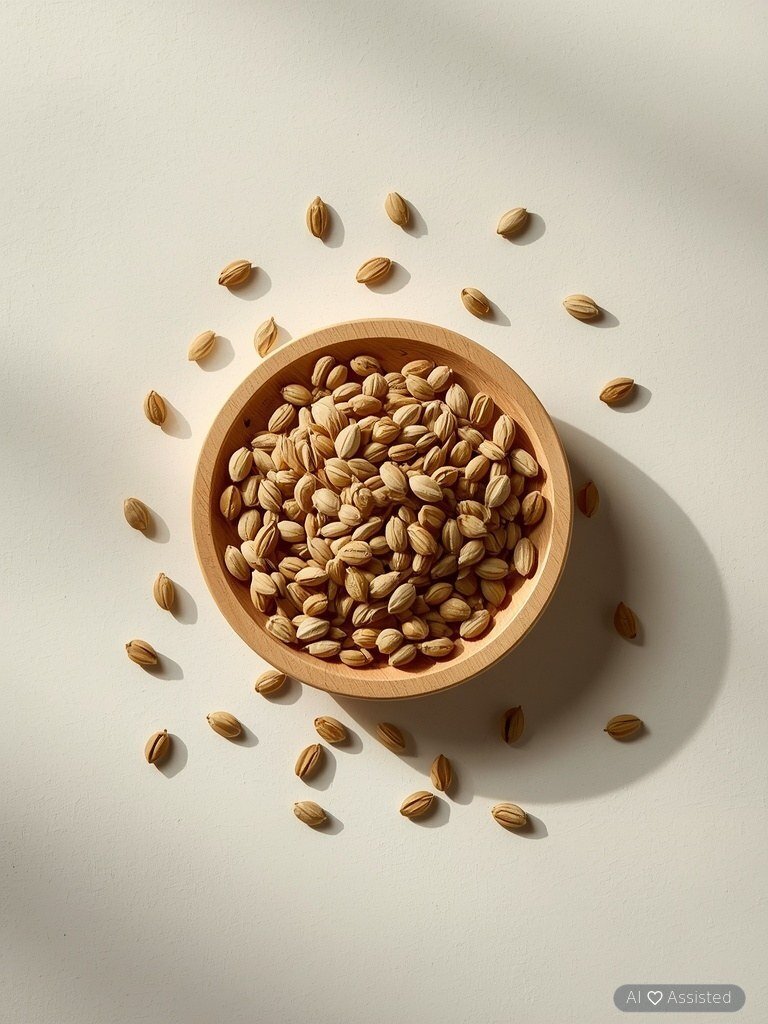
Poppy seeds (Papaver somniferum) possess an ancient culinary and medicinal heritage within the Papaveraceae botanical family. These oil-dense seeds rank among the richest whole-food sources of bioavailable dietary calcium (exceeding 1200–1400 mg per 100 g), alongside heart-healthy polyunsaturated fatty acids, magnesium, iron, and dietary fiber. This comprehensive guide details botanical seed varieties, biochemical nutrient densities, proper grinding and rancidity mitigation, traditional confectionery recipes, and addresses regulatory standards governing opiate alkaloid residues.
Meal Plan

Want to apply these guidelines in your daily diet?

Our smart diet generator creates a tailored meal plan in 3 minutes based on the recommendations in this article.

PRO Content PRO

This article is professional premium content (PRO) provided in its entirety.

Botanical Characteristics and Commercial Poppy Varieties

The genus Papaver encompasses roughly 70–100 herbaceous species within the Papaveraceae botanical family, indigenous predominantly to temperate Eurasian territories. Agricultural production for culinary consumption centers upon specific cultivars:

  • Opium poppy (Papaver somniferum) – the primary cultivated species; an annual plant developing prominent solitary blossoms and globular capsules (poppy heads) packed with thousands of microscopic seeds.
  • Blue poppy (European cultivar) – the quintessential variety utilized across Central and Eastern Europe; features slate-blue tiny seeds possessing an intense, nutty, and slightly astringent aroma.
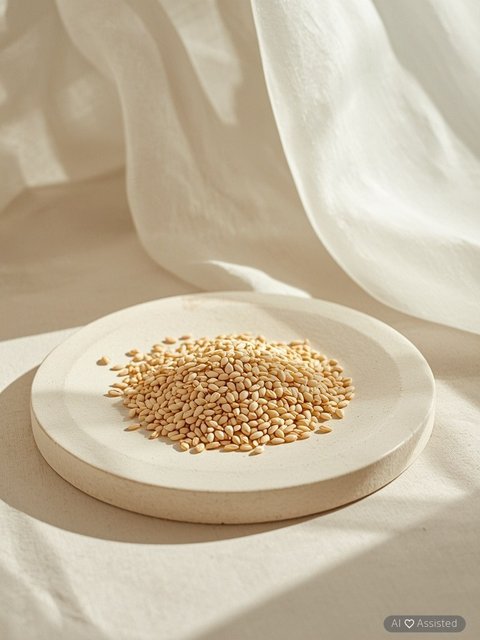
  • White poppy – cultivated widely in India and the Levant, in Poland famously recognized as the mandatory filling for St. Martin's croissants; delivers a delicate, distinctly sweeter, and milder profile.
  • Corn poppy (Papaver rhoeas) – wild arable weed bearing vibrant scarlet petals; utilized in traditional herbalism but irrelevant for commercial edible seed production.

Nutritional Value – Record Calcium Density and Mineral Profile

Poppy seeds represent one of the most nutritionally condensed plant matrices in human nutrition:

  • Caloric density – supplies roughly 525–535 kcal per 100 g, driven predominantly by energy-dense plant lipids.
  • Exceptional calcium concentration – delivers an astounding 1200–1450 mg of elemental calcium per 100 g, exceeding hard dairy cheeses and satisfying 120–140% of the adult recommended daily allowance. It serves as a vital non-dairy calcium source in plant-based diets.
  • Lipid profile – total fat comprises 40–45% of seed mass, dominated by essential polyunsaturated linoleic acid (omega-6) and monounsaturated oleic acid (omega-9).
  • Dietary fiber and protein – packs 18–20 g of complete plant protein and 19–20 g of dietary fiber, dampening carbohydrate absorption and yielding a negligible Glycemic Index (GI 15–20).
  • Micronutrient richness – exceptional concentrations of magnesium (~340 mg/100 g), non-heme iron (~9–10 mg/100 g), phosphorus, and zinc optimize skeletal integrity and enzymatic function.

Culinary Traditions and Confectionery Applications

Poppy seeds occupy a venerable place across Central and Eastern European gastronomy, particularly in festive culinary heritage:

  • Yeast pastries and strudels – the classic Polish makowiec (rolled poppy seed roll) represents a timeless holiday centerpiece, harmonizing tender brioche dough with an opulent filling of ground poppy, forest honey, raisins, walnuts, and candied orange peel.
  • Traditional festive dishes – kutia (a sacred Christmas Eve dish composed of cooked whole wheat berries, honey, and poppy), along with noodles tossed in sweet poppy seed milk, historically symbolized prosperity and peace.
  • Breads and artisanal toppings – whole blue poppy seeds adorn bagels, challah, and sourdough loaves, imparting visual elegance, nutty crunch, and preserving crust hydration.
  • Modern nutrient-dense additions – unground seeds effortlessly integrate into morning porridge bowls, post-workout protein smoothies, homemade seed granolas, and crisp salads.

Preparation Technique – Proper Steeping, Draining, and Grinding

Raw poppy seeds possess a resilient outer testa and a trace bitter tone. Systematic culinary preparation releases their silky, sweet lipid emulsion:

  • Step 1: Rinsing and simmering – thoroughly rinse seeds in a fine wire colander. Transfer to a pot, cover with boiling milk or water (approximately 2:1 liquid-to-seed ratio), and simmer gently for 20–30 minutes until seeds yield when pressed between fingertips.
  • Step 2: Stringent draining – drain the steeped seeds over a cheesecloth-lined sieve for 30–60 minutes. Eliminating excess water is paramount to prevent wet, soggy pastry fillings.
  • Step 3: Multi-pass grinding – to fracture seed hulls and release emulsified plant oils and bioavailable minerals, pass drained seeds twice or thrice through a meat grinder fitted with its finest grinding plate (or dedicated poppy seed mill).
  • Step 4: Flavor folding – fold freshly ground poppy paste with raw honey, sweet butter, toasted walnuts, plump sultanas, and natural almond extract.

Storage Science – Mitigating Lipid Oxidation and Rancidity

Given its prominent concentration of polyunsaturated fatty acids, poppy seeds are vulnerable to auto-oxidation and lipid rancidity:

  • Whole unground seeds – store whole dry seeds in airtight glass containers or breathable linen bags in a cool, dark, dry pantry (<18°C / 64°F). Properly kept, whole seeds maintain freshness for up to 12 months.
  • Ground poppy seed vulnerability – mechanical milling fractures cellular membranes, exposing delicate linoleic double bonds to atmospheric oxygen. Enzymatic oxidation rapidly produces bitter, pungent rancidity within days.
  • Freezing protocol – freshly ground poppy or prepared fillings must be consumed within 24–48 hours (refrigerated) or immediately frozen in airtight containers, where they preserve peak flavor for up to 6 months.
  • Commercial canned fillings caution – retail canned poppy pastes frequently contain as little as 15–20% actual seed content, heavily diluted with high-fructose corn syrup, starches, and artificial preservatives. Scratch preparation delivers vastly superior nutrition.

Do Poppy Seeds Have Psychoactive Effects? Myths vs Opiate Alkaloids

The question of narcotic psychoactivity in poppy seeds involves distinct biochemical boundaries:

  • Botanical localization – opiate alkaloids (morphine, codeine, thebaine) are produced exclusively within the milky latex of the pericarp and vegetative tissues of unripe *Papaver somniferum* capsules. The mature seeds themselves synthesize zero opiates.
  • Superficial dust contamination – during mechanical harvesting and threshing, minute traces of dried capsule latex can adhere to the seed exterior.
  • European regulatory thresholds – since 2022, strict European Commission limits (Regulation 2021/2142) enforce a maximum ceiling of 20 mg/kg for the sum of morphine and codeine in edible culinary poppy seeds placed on the retail market.
  • Culinary clearance – washing, soaking, boiling, and oven baking above 135–180°C degrade and leach between 80% and 95% of any superficial alkaloid residues. Eating poppy seed pastries is physiologically safe and devoid of psychoactive effects.
  • Workplace drug immunoassay testing – ingesting substantial quantities of poppy products within 12–24 hours before a urinalysis can trigger transient false-positive immunoassay screening results for opiates, a well-documented phenomenon in occupational toxicology.

What's the use of macros?

Maple seed oil is a popular ingredient in creams for dry and sensitive skin care. It has moisturizing and anti-wrinkle properties. It can also accelerate the regeneration of the skin and prevent the formation of epithelials. It is often used for cellulite because it helps smooth and elasticate the skin.

Does the macaque have any psychoactive effects?

The plant contains white, viscous liquids containing alkaloids, i.e. psychoactive compounds. These include morphine, codeine and teabain. In order to cultivate medicinal mackerel, authorisation must be obtained. In this case, the city or municipality should be notified. Mackerel seeds do not contain alkaloid or are not present in the spoon. In accordance with the European Food Safety Authority Regulation of 2018. Admissible concentrations: milled, whole or broken seeds placed on the market for products intended for use by an individual EU consumer 20 mg/day, coke from the EU market, or from the European Union.
Julia Wójcik

Julia Wójcik

✓

Diets Premium Expert

Diets Premium team expert. Specializes in nutrition plans, strength sports, and training plans.

View Profile →
Recommended articles in this category

Related Articles

Discover similar publications and expert insights.

Marzipan: an in-depth examination of its constituent ingredients, nutritional properties, and practical guidance for homemade preparation – how to craft the perfect marzipan paste?
Food Science
Marzipan: an in-depth examination of its constituent ingredients, nutritional properties, and practical guidance for homemade preparation – how to craft the perfect marzipan paste?
⏱ 4 min czytania 📚 Food Science
#Nutritional Properties #Sweet Flavor
Meal Prep Box – Planning, Batch Cooking, and Safe Food Storage Strategies
Functional Foods
Meal Prep Box – Planning, Batch Cooking, and Safe Food Storage Strategies
⏱ 3 min czytania 📚 Functional Foods
#Weight Management #Adipose Tissue
Lutein – Properties, Natural Dietary Sources, and Ocular Benefits: A Comprehensive Guide to Carotenoid Health
Functional Foods
Lutein – Properties, Natural Dietary Sources, and Ocular Benefits: A Comprehensive Guide to Carotenoid Health
⏱ 4 min czytania 📚 Functional Foods
#Fermented Beverages #Health Benefits
Evening Primrose – Medicinal Properties, Cosmetic Benefits, and Evening Primrose Oil
Fruits
Evening Primrose – Medicinal Properties, Cosmetic Benefits, and Evening Primrose Oil
⏱ 4 min czytania 📚 Fruits
#Traditional Medicine #Fatty Acids
Sesame seeds
Fatty Acids
Sesame seeds
⏱ 3 min czytania
#Fatty Acids #Sesame Seeds
Homemade almond butter – health benefits, tested recipes, and a step-by-step guide to preparing it in your own kitchen
Food & Ingredients
Homemade almond butter – health benefits, tested recipes, and a step-by-step guide to preparing it in your own kitchen
⏱ 5 min czytania 📚 Food & Ingredients
#Essential Nutrients #Flavor Enhancement
Atlantic Mackerel: Nutritional Profile, Health Benefits, and Culinary Preparation Techniques
Marine
Atlantic Mackerel: Nutritional Profile, Health Benefits, and Culinary Preparation Techniques
⏱ 4 min czytania 📚 Marine
#Nutritional Composition #Nutritional Ingredients
Hidden Dysphagia – Recognition, Treatment, Diet
Nutrition
Hidden Dysphagia – Recognition, Treatment, Diet
⏱ 5 min czytania
#Nutrition #Magnesium
Rice Noodles – Varieties, Nutritional Profile, Glycemic Index, and Culinary Recipes
Food Science
Rice Noodles – Varieties, Nutritional Profile, Glycemic Index, and Culinary Recipes
⏱ 2 min czytania 📚 Food Science
#Rice Noodles #Magnesium
Alfalfa (Medicago sativa) – Therapeutic Properties, Biochemical Profile, and Dietary Uses of Sprouts
Functional Foods
Alfalfa (Medicago sativa) – Therapeutic Properties, Biochemical Profile, and Dietary Uses of Sprouts
⏱ 4 min czytania 📚 Functional Foods
#Nutritional Composition #Health Benefits
Lucuma – The Low-Glycemic Andean Fruit: Properties, Nutritional Value, and Dietetic Applications
Functional Foods
Lucuma – The Low-Glycemic Andean Fruit: Properties, Nutritional Value, and Dietetic Applications
⏱ 5 min czytania 📚 Functional Foods
#Nutritional Composition #Natural Sweetness
Cinnamon Bark from Ceylon or China - The Optimal Selection
Health
Cinnamon Bark from Ceylon or China - The Optimal Selection
⏱ 6 min czytania 📚 Health
#Cinnamon #Curry
Melissa - Natural Remedy for Tension
Sedative
Melissa - Natural Remedy for Tension
⏱ 2 min czytania
#Sedative
Cooked Carrots and Carrot Purée: Beta-Carotene Bioavailability, Nutritional Profile, and Health Benefits
Food Science
Cooked Carrots and Carrot Purée: Beta-Carotene Bioavailability, Nutritional Profile, and Health Benefits
⏱ 1 min czytania 📚 Food Science
#Nutritional Science #Health Benefits
7 Pieces of Information You Should Know About Matcha
Desserts
7 Pieces of Information You Should Know About Matcha
⏱ 5 min czytania
#Desserts #Matcha
Culinary guidelines: how to cook chickpeas, cakes, lentils
Chickpeas
Culinary guidelines: how to cook chickpeas, cakes, lentils
⏱ 7 min czytania
#Chickpeas #Chickpea
"Vanilla sugar" and "vanillin sugar" – Key differences and health effects
Desserts
"Vanilla sugar" and "vanillin sugar" – Key differences and health effects
⏱ 3 min czytania
#Desserts #Pastries
Meat alternatives: how to replace classic meat products in your diet
Meat Alternatives
Meat alternatives: how to replace classic meat products in your diet
⏱ 4 min czytania
#Meat Alternatives #Meat Consumption
Culinary Processing of Meat: Preserving Bioactive Nutrients, Flavor, and Digestibility
Essential Amino Acids
Culinary Processing of Meat: Preserving Bioactive Nutrients, Flavor, and Digestibility
⏱ 5 min czytania
#Essential Amino Acids #Complete Protein
Matcha – the traditional Japanese powdered beverage with a distinctive aroma and beneficial attributes
Food Science
Matcha – the traditional Japanese powdered beverage with a distinctive aroma and beneficial attributes
⏱ 2 min czytania 📚 Food Science
#Powdered Drink Mix #Antioxidants
Cocoa butter: characteristics, effects, and versatile applications across multiple industrial sectors
Food Science
Cocoa butter: characteristics, effects, and versatile applications across multiple industrial sectors
⏱ 3 min czytania 📚 Food Science
#Dermatological #Industrial
Peanut Butter and Paste: Comprehensive Nutritional Density, Health Profile, and Dietary Applications
Food Science
Peanut Butter and Paste: Comprehensive Nutritional Density, Health Profile, and Dietary Applications
⏱ 3 min czytania 📚 Food Science
#Metabolic Efficiency #Fetal Development
Margarine Under Scrutiny: Ingredient Breakdown, Quality Assessment, and Health Comparison Against Traditional Butter – Which Option Supports Optimal Nutrition?
Food Science
Margarine Under Scrutiny: Ingredient Breakdown, Quality Assessment, and Health Comparison Against Traditional Butter – Which Option Supports Optimal Nutrition?
⏱ 5 min czytania 📚 Food Science
#Balanced Nutrition #Traditional
Almond milk – properties, nutritional composition, homemade preparation method, and a comprehensive comparative analysis with conventional cow’s milk
Dairy-Free Beverages
Almond milk – properties, nutritional composition, homemade preparation method, and a comprehensive comparative analysis with conventional cow’s milk
⏱ 5 min czytania 📚 Dairy-free Beverages
#Blood Glucose Regulation #Nutritional Composition
Fresh vs. Dried Basil: Comparative Culinary, Phytochemical, and Nutritional Analysis
Nutritional Science
Fresh vs. Dried Basil: Comparative Culinary, Phytochemical, and Nutritional Analysis
⏱ 3 min czytania 📚 Nutritional Science
#Nutritional Benefits Of Plants #Culinary Versatility
Peperoni Peppers – Botanical Origin, Nutritional Composition, Health Properties, and Culinary Uses
Food & Ingredients
Peperoni Peppers – Botanical Origin, Nutritional Composition, Health Properties, and Culinary Uses
⏱ 3 min czytania 📚 Food & Ingredients
#Nutritional Composition #Nutritional Properties
Kale: Comprehensive Health Benefits, Nutritional Profile, and Creative Recipes – Chips, Smoothies, and Soups
Nutritional Value Of Foods
Kale: Comprehensive Health Benefits, Nutritional Profile, and Creative Recipes – Chips, Smoothies, and Soups
⏱ 4 min czytania
#Nutritional Value Of Foods #Nutritional Value Of Meals
Avocado oil – nutritional composition, health-promoting properties, and applications in culinary arts and skincare
Polyunsaturated Fatty Acids
Avocado oil – nutritional composition, health-promoting properties, and applications in culinary arts and skincare
⏱ 4 min czytania
#Polyunsaturated Fatty Acids #Nutritional Composition
Surimi Crab Sticks – Technological Composition, Nutritional Value, Market Price, and Culinary Recipes
Food & Ingredients
Surimi Crab Sticks – Technological Composition, Nutritional Value, Market Price, and Culinary Recipes
⏱ 5 min czytania 📚 Food & Ingredients
#Nutritional Composition #Omega-3 Fatty Acids
Pumpkin
Nutrition
Pumpkin
⏱ 2 min czytania 📚 Nutrition
#Carotenoids #Vitamin C

Share