Lucuma – The Low-Glycemic Andean Fruit: Properties, Nutritional Value, and Dietetic Applications

| Diets Premium Expert Katarzyna Mazur | min read 5 min | Scientifically reviewed by a clinical dietitian 23.10.2026 |
Smart Voice
•Listen to the article content live
Lucuma (Pouteria lucuma), venerated by the ancient Andean civilizations as the 'Gold of the Incas', is a subtropical fruit indigenous to the high-altitude valleys of Peru, Chile, and Ecuador. Cherished for its delicate caramel and maple flavor notes, low glycemic index, and dense reservoir of polyphenols, dietary fiber, and carotenoids, powdered lucuma has emerged globally as a premium natural sweetener and superfood.
Want to apply these guidelines in your daily diet?
Our smart diet generator creates a tailored meal plan in 3 minutes based on the recommendations in this article.
Lucuma (Pouteria lucuma) – 'Gold of the Incas' and Botanical Profile
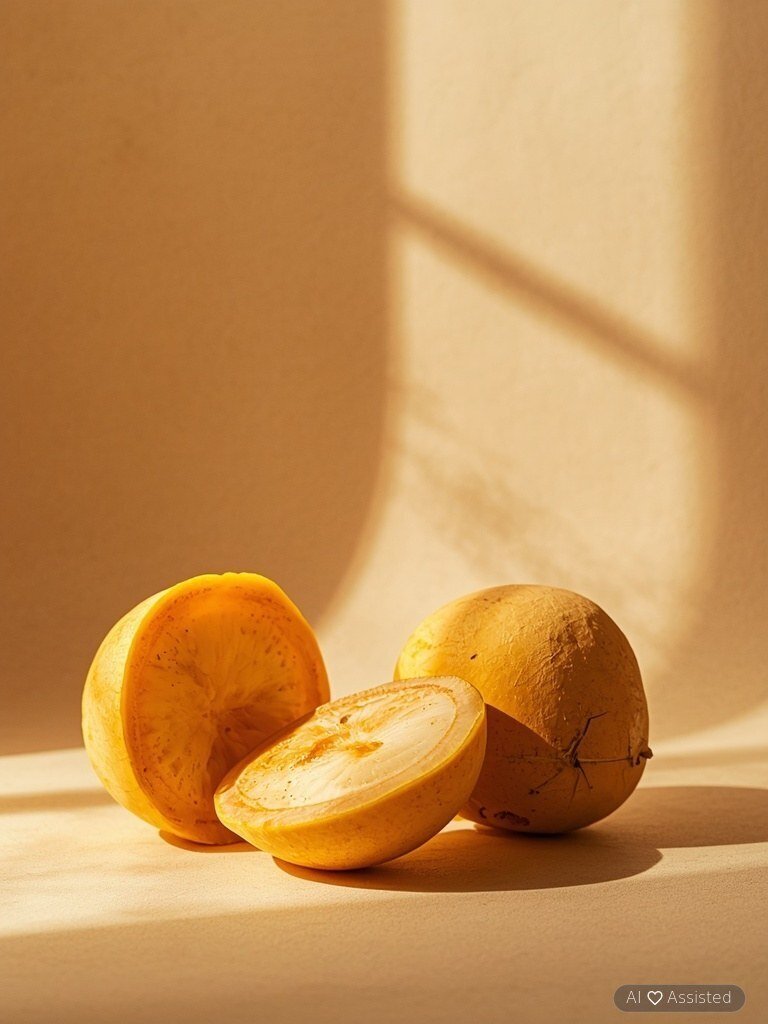
The lucuma tree is an evergreen belonging to the Sapotaceae family, thriving in high Andean river valleys at elevations between 1,000 and 3,000 meters. The fruit possesses a thin russet-green skin encasing dense, dryish orange-yellow flesh.
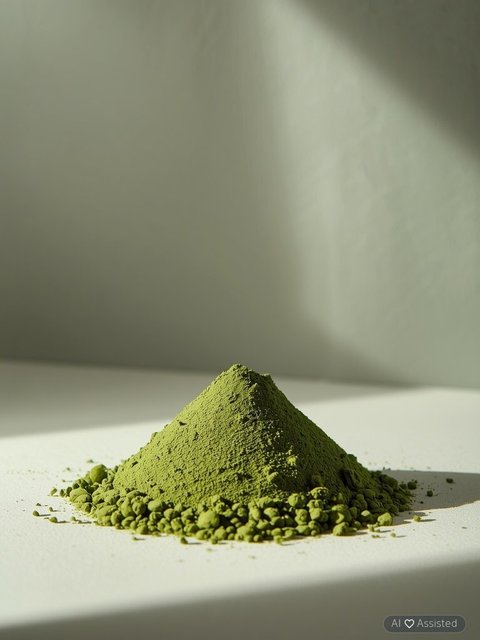
Owing to its starchy texture and low moisture content, fresh lucuma is rarely exported fresh. Instead, it is gently dehydrated at low temperatures and pulverized into a shelf-stable powder that preserves its full secondary metabolite profile.
Nutritional Architecture, Low Glycemic Index, and Antioxidant Profile
Lucuma exhibits a distinctive biochemical composition:
- Low glycemic index (GI approx. 25) – rich in complex polysaccharides and soluble fibers ensuring gradual glucose liberation without precipitating sharp insulin spikes;
- Carotenoids (beta-carotene) – conferring its golden hue and acting as provitamin A to support epithelial repair and visual health;
- Polyphenolic flavonoids – quenching reactive radicals and dampening inflammatory cascades;
- Vitamins and minerals – supplying bioavailable zinc, iron, potassium, and vitamin B3 (niacin) for energetic metabolism.
Lucuma as a Natural Sweetener and Sucrose Alternative
In stark contrast to refined white sucrose, which delivers empty calories devoid of micronutrients, lucuma powder represents a nutrient-dense functional sweetener.
Its subtle sweetness is derived from naturally occurring fruit sugars balanced with generous fiber fractions. Consequently, it represents an outstanding option for individuals navigating insulin resistance or pursuing whole-food dietary protocols.
Culinary Uses of Lucuma Powder and Dietary Recommendations
Lucuma powder integrates seamlessly into modern wholesome culinary recipes:
- blended into protein smoothies, overnight oats, and raw energy bars for a creamy butterscotch note,
- the foundational flavor in artisanal ice creams (in Peru, lucuma ice cream outsells chocolate and vanilla),
- substituting a portion of flour or sugar in healthy baked goods and pancakes.
Lucuma is safe, hypoallergenic, and exceptionally well tolerated across all age groups.
Tags

Katarzyna Mazur
✓Diets Premium Expert
Diets Premium team expert. Specializes in nutrition plans, strength sports, and training plans.
View Profile →