3 min read
Wheatgrass - Breeding, Attributes and Available Product Forms

Mateusz Pawlak
✓
Diets Premium Expert • 24.09.2026
✓
Scientifically reviewed by a clinical dietitian:
This article has been peer-reviewed for adherence to IŻŻ, WHO, and PTGiP clinical nutritional standards.
| Diets Premium Expert Mateusz Pawlak | min read 3 min | Scientifically reviewed by a clinical dietitian 24.09.2026 |
Smart Voice
•Listen to the article content live
0:00
/
0:00
Key Takeaways
Explore another superfood - the attributes of wheatgrass... a nutritious plant that you can breed at home.
Meal Plan
Want to apply these guidelines in your daily diet?
Our smart diet generator creates a tailored meal plan in 3 minutes based on the recommendations in this article.
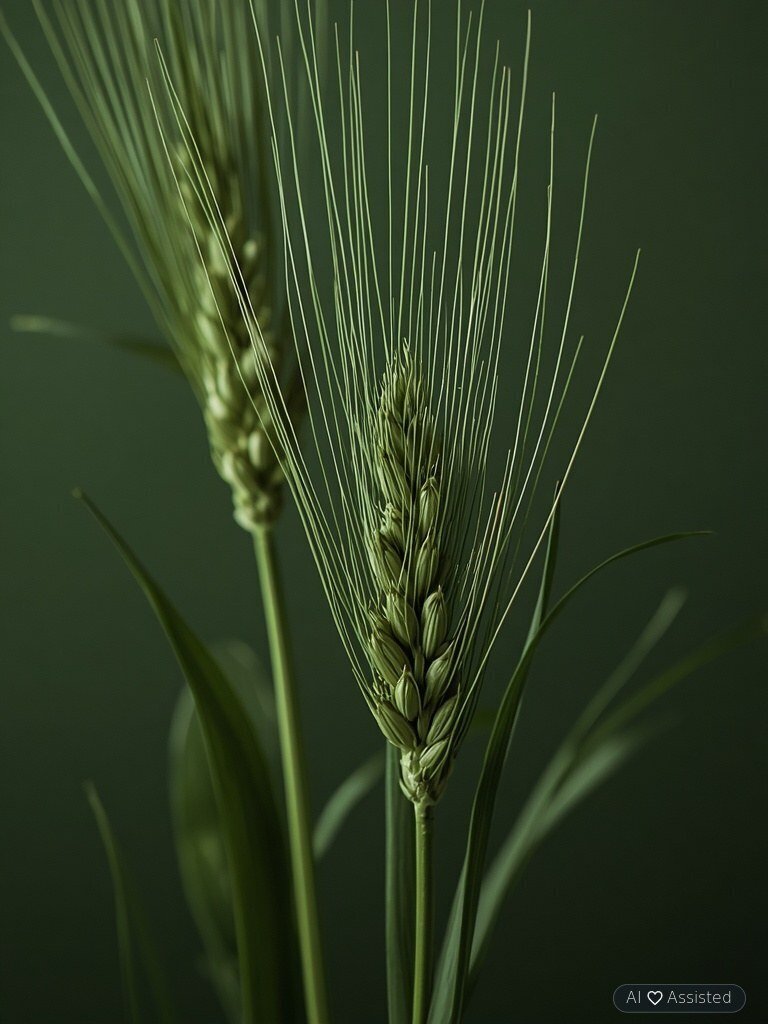
Green wheatgrass shoots – a nutrient-dense botanical with documented anti-inflammatory bioactivity
This botanical specimen, categorized within the cultivated cereal grass family and distinguished by its exceptional phytochemical profile, exerts multifaceted beneficial influences on human physiological systems. Its distinctive composition features three primary bioactive compounds with empirically validated capacities to modulate inflammatory pathways: the vivid green plant pigment chlorophyll, the glycoprotein designated as P4D1, and the structural complex carbohydrates known as mucopolysaccharides. Furthermore, it demonstrates an extraordinarily high concentration of essential trace minerals alongside a comprehensive vitamin matrix, positioning it as a valuable dietary supplement for promoting systemic metabolic equilibrium.
Cultivating Wheatgrass at Home: A Step-by-Step Guide
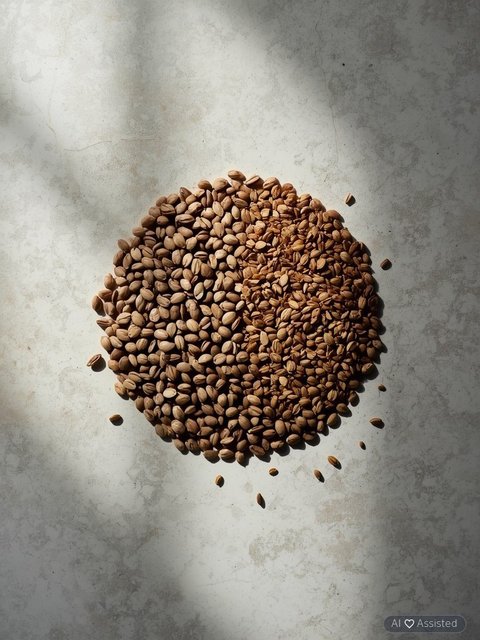
Wheatgrass can be successfully cultivated indoors, providing a steady supply of fresh, nutrient-dense greens. The process begins with substrate preparation: a container should be filled with a 2.5-centimeter layer of fertile soil, ideally enriched with peat for optimal growth conditions. Wheat seeds are then evenly distributed across the surface and covered with a thin layer of soil, approximately 1 to 1.5 centimeters deep. Consistent moisture management is critical—watering should be performed daily to maintain damp (but not waterlogged) conditions. Once the sprouts reach a height of roughly 12 centimeters, they are ready for harvesting, particularly for juicing purposes. Notably, a single sowing can yield up to three harvest cycles, making this a highly efficient cultivation method.
Medicinal and nutritional properties of wheatgrass – biochemical characterization and applications in prevention and therapy
Wheatgrass represents a concentrated source of chlorophyll and provitamin A, ranking immediately after microalgae in terms of these compounds’ abundance. Its protein content reaches up to 20%, comparable to certain meat varieties, though its amino acid composition differs significantly from animal-derived proteins. Additionally, it provides trace amounts of cobalamin (vitamin B₁₂) and a broad spectrum of essential minerals critical for metabolic function. A defining characteristic of wheatgrass is its unique profile of digestive enzymes capable of breaking down both nutritional components and toxic substances. Among these, **superoxide dismutase (SOD)** stands out for its potent antioxidant activity, neutralizing reactive oxygen species—the primary agents responsible for DNA damage and accelerated cellular aging. Of particular note is the enzymatic fraction **P4D1**, which not only promotes the repair of nucleic acids (RNA/DNA) but also exhibits anti-inflammatory properties surpassing those of corticosteroids, without associated toxicity or adverse effects. The carbohydrate matrix of wheatgrass is rich in **mucopolysaccharides**, which reinforce connective tissues, cardiac muscle, and vascular endothelia while concurrently reducing blood lipid levels. Wheatgrass preparations facilitate digestive processes and are employed in cases of dyspepsia, gastrointestinal mucosal inflammation, and motility disorders. Historically, it has been utilized to treat degenerative joint diseases, subcutaneous hematomas, burns (as a topical poultice of juice), chronic constipation, pulmonary emphysema, and rheumatoid arthritis. Emerging research further substantiates its beneficial effects on glycemic regulation (diabetes, hypoglycemia), heavy metal detoxification, blood pressure management, cholesterol reduction, and alleviation of anemia symptoms and chronic fatigue.
Freshly extracted young wheatgrass liquid (juice from wheat sprouts)
This product is obtained through the mechanical separation of liquid components from tender, immature wheat leaves using a specialized cold-press juicing apparatus. When compared to processed formats—such as freeze-dried capsules or micronized powder—the freshly extracted juice demonstrates a substantially higher concentration of biologically active compounds: natural metabolic catalysts (enzymes), the green plant pigment (chlorophyll), and provitamin A (beta-carotene). Notably, its thermoregulatory properties manifest as a more pronounced cooling effect on the body than dried preparations exhibit. Due to its potent nutritive and invigorating characteristics, the product is particularly suited for individuals with a robust constitution, well-developed musculature, steady cardiac rhythm, and elevated vitality levels. A therapeutic single dose consists of merely 30 milliliters—sufficient to observe beneficial health effects, a result of its exceptional nutrient density. The maximum daily intake should not exceed 60 milliliters to prevent potential disruptions to physiological equilibrium.
Powdered and encapsulated wheatgrass: properties and applications
The powdered form is obtained through gentle freeze-drying of freshly extracted wheatgrass juice, a process that preserves its exceptionally high nutrient density. For preparation, it is recommended to dissolve one full teaspoon (approximately 5 g) in half a glass (125 ml) of water or fruit juice to achieve optimal nutrient absorption. As a convenient alternative, standardized capsules are also available. For preventive use—such as supporting cellular regeneration or supplementing dietary deficiencies—a single daily dose suffices. However, in therapeutic contexts, particularly for fungal infections, the frequency may be increased to up to three doses per day. Notably, the powder contains significantly less natural sugar than fresh juice, making it especially suitable for managing candidiasis. For maximum efficacy, one tablespoon (approximately 10 g) should be consumed on an empty stomach, roughly 15–30 minutes before main meals. While many plants contain chlorophyll and provitamin A, wheatgrass stands out due to its extraordinarily high concentrations of these compounds—often surpassing other so-called "superfoods" by severalfold. An additional benefit lies in its unique detoxifying enzymes, which aid the body in eliminating toxins. Furthermore, its distinctively nutty and grassy flavor profile enhances the taste of smoothies, protein shakes, or homemade lemonades while simultaneously boosting their nutritional value.
Tags

mgr Mateusz Pawlak
✓Diets Premium Expert
Diets Premium team expert. Specializes in nutrition plans, strength sports, and training plans.
View Profile →