3 min read
Dragon fruit (pitaya) - properties, application, flavor

Tomasz Jankowski
✓
Diets Premium Expert • 24.09.2026
✓
Scientifically reviewed by a clinical dietitian:
This article has been peer-reviewed for adherence to IŻŻ, WHO, and PTGiP clinical nutritional standards.
| Diets Premium Expert Tomasz Jankowski | min read 3 min | Scientifically reviewed by a clinical dietitian 24.09.2026 |
Smart Voice
•Listen to the article content live
0:00
/
0:00
Key Takeaways
Pitaya, also recognized as ,,dragon fruit'' or ,,strawberry pear'', is a tropical and deliciously flavored fruit with an exceptional appearance. Thanks to its high nutrient content, pitaya frequently qualifies as a ,,superfood''. This exotic produce is gaining popularity, thus incorporating it into the diet offers a series of health and body-shaping benefits.
Meal Plan
Want to apply these guidelines in your daily diet?
Our smart diet generator creates a tailored meal plan in 3 minutes based on the recommendations in this article.
Pitaya – the exotic "dragonfruit" celebrated for its unparalleled nutritional density and striking aesthetic
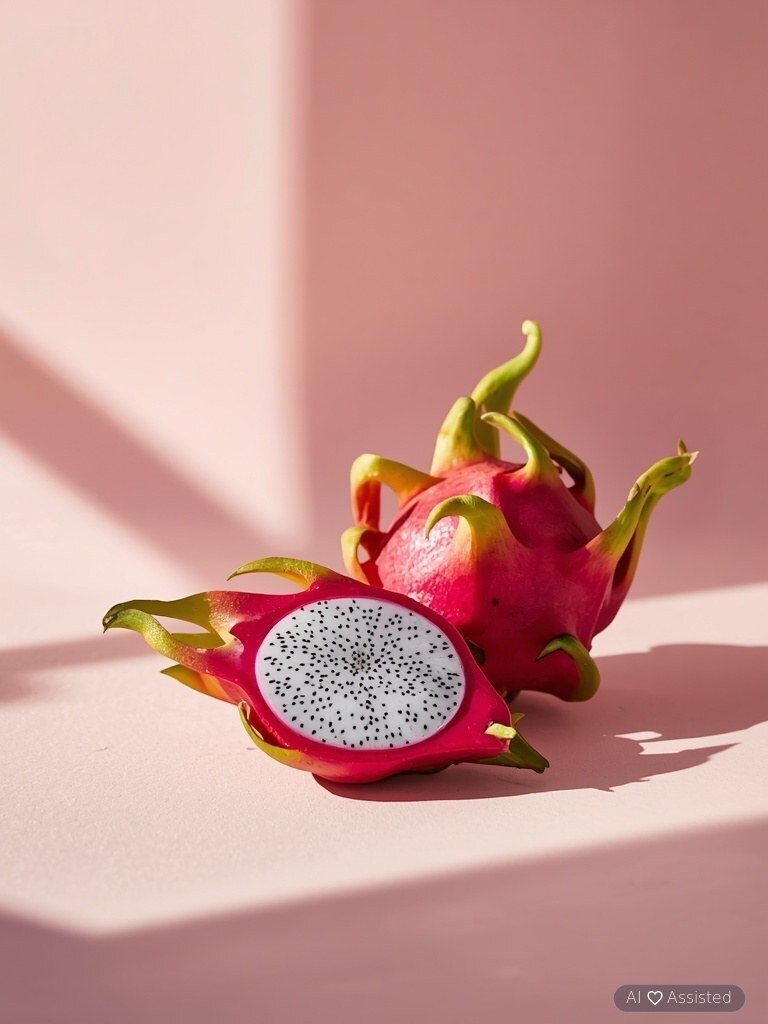
Pitaya, colloquially referred to as "dragonfruit," is a member of the cactus family (*Cactaceae*) and is widely regarded as one of the most nutritionally dense and visually captivating exotic fruits available. Its cultivation is predominantly concentrated in the humid, tropical climates of Southeast Asia—including Vietnam, Thailand, and Malaysia—as well as in Mexico, Israel, and various regions of Central and South America, where environmental conditions are most favorable. The species encompasses three primary cultivars, each distinguished by unique combinations of peel and flesh pigmentation: **1)** a magenta-skinned variety with a creamy white interior, **2)** a similarly magenta-skinned type featuring a vibrant crimson pulp, and **3)** a golden-yellow-skinned version with a delicate, snow-white, juice-rich core. A defining characteristic of the pitaya is its remarkably large, nocturnal blooms—typically pristine white in color and emitting an intense, sweetly fragrant aroma—which, owing to this distinctive flowering pattern, have earned the monikers "Moonflower" and "Queen of the Night." From a dietary perspective, the fruit is classified as low-calorie (providing approximately 50–60 kcal per 100 grams), a trait attributable to its water content exceeding 80%, a common feature among tropical fruits.
Dragon fruit health properties
Because of its vitamin A (carotene) content, pita has a positive effect on the proper functioning of the retinal photoreceptors of the eye. The presence of B vitamins as well as many minerals such as phosphorus, iron and calcium boosts the immune system and promotes the maintenance of healthy bones and tissues, and also speeds up the healing of wounds. The seeds of pita are rich in fatty acids (fats) and omega-3 and omega-6 proteins, which are found in high levels of fatty acid, and can also reduce the risk of developing cancer and other serious diseases such as cancer. It also reduces the effects of high blood sugar, which helps to reduce the risks of cancer, and it also helps to regulate the release of metabolic toxins (alcohols) into the blood.
Comprehensive applications of dragon fruit (pitaya) in culinary arts, cosmetics, and health
Pitaya, commonly referred to as dragon fruit, exhibits an exceptionally versatile range of applications spanning culinary practices, skincare regimens, and health-conscious lifestyles. Its succulent, mildly sweet pulp serves as an exquisite complement to frozen desserts, pastry confections, velvety creams, refreshing blended beverages, and even delicate fruit mousses. Industrial processing of this tropical fruit further extends to the production of flavorful juices and fermented beverages characterized by a subtly tangy undertone. Moreover, dried pitaya leaves can be steeped to create fragrant, invigorating infusions whose muscle-relaxing properties are particularly beneficial in alleviating tension and soreness. When consumed as a light between-meal snack, pitaya effectively curbs appetite owing to its abundant dietary fiber content, which concurrently helps modulate postprandial blood glucose levels—a factor of significant advantage for individuals pursuing weight management objectives. Its relevance in the cosmetics industry is equally noteworthy: pitaya extract functions as a nutritive powerhouse in formulations for enzymatic exfoliants and hydrating facial masks, demonstrating a remarkable capacity for epidermal rejuvenation. Empirical research has additionally substantiated that consistent use of pitaya-derived preparations decelerates cutaneous aging processes, diminishes the likelihood of premature wrinkle formation, and preserves skin firmness over time.
Is pitaya truly the so-called "dragon fruit"? A comprehensive buying guide and current market pricing
The exotic pitaya, commercially marketed under the evocative name "dragon fruit," has become increasingly accessible not only in specialized Asian grocery stores but also across major supermarket chains and local farmers' markets. Current pricing per kilogram typically ranges between approximately ten and twelve Polish złoty, though it is important to note that the final cost may exhibit minor fluctuations depending on the specific retail outlet, harvest season, and quality of the imported produce. Seasoned consumers advise paying close attention to indicators of ripeness: the outer rind should display a uniform, smooth texture free from visible blemishes, while gentle finger pressure should elicit slight yielding in the flesh—a clear sign of optimal maturity. Conversely, an excessively firm skin signals that the fruit has not yet reached full readiness for consumption. An undeniable advantage of pitaya lies in its strikingly ornamental appearance, which not only captures the attention of prospective buyers but also serves as a distinctive decorative element in culinary presentations.
Exotic pitaya – what unique flavor experiences does this remarkable fruit provide?
Pitaya, commonly referred to as dragon fruit, delights with a one-of-a-kind fusion of flavors reminiscent of juicy kiwi and tender, sweet melon. Its flesh is characterized by an intense sweetness, subtly balanced by a faintly perceptible tartness, lending it a sophisticated profile. This tropical delicacy reaches its full flavor potential when properly chilled, which is why it frequently serves as a key ingredient in refreshing ice cream desserts and smoothies. Beyond its culinary appeal, pitaya is also a nutrient-rich powerhouse, making it an excellent, vibrant addition to a balanced diet as a healthy alternative to conventional fruits.

mgr Tomasz Jankowski
✓Diets Premium Expert
Diets Premium team expert. Specializes in nutrition plans, strength sports, and training plans.
View Profile →