Oranges: Nutritional Profile, Micronutrients, Caloric Density, Glycemic Index, and Culinary Applications

| Diets Premium Expert Tomasz Jankowski | min read 3 min | Scientifically reviewed by a clinical dietitian 23.10.2026 |

Smart Voice
•Listen to the article content live
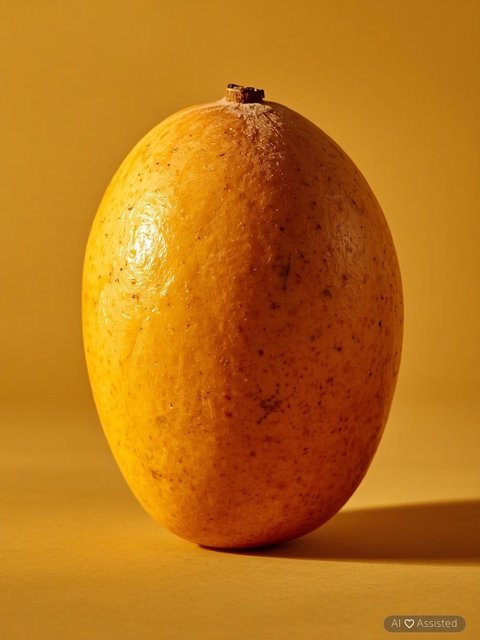
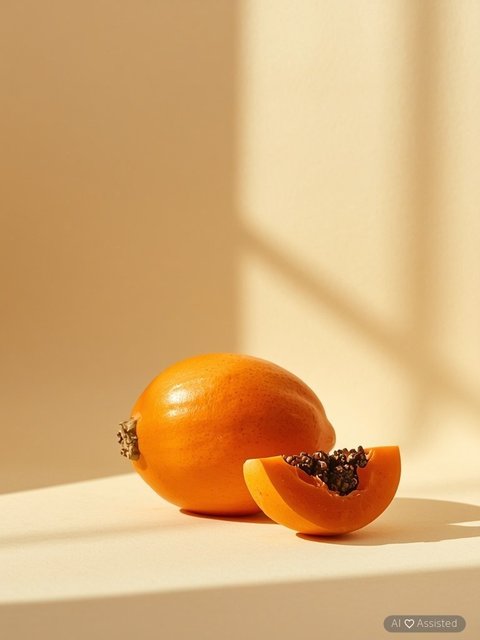
The sweet orange (Citrus sinensis) is among the most widely cultivated citrus species globally, renowned for its juicy texture, sensory profile, and dense concentrations of ascorbic acid and protective bioflavonoids. Providing substantial soluble dietary fiber (pectin), potassium, and folate, oranges support cardiovascular resilience and immune defense. How can oranges be integrated into hypocaloric or therapeutic diets, and which culinary techniques preserve their bioactive integrity?
Want to apply these guidelines in your daily diet?
Our smart diet generator creates a tailored meal plan in 3 minutes based on the recommendations in this article.
Nutritional Profile of Oranges: Vitamins and Phytonutrients
The signature clinical virtue of the orange resides in its concentrated ascorbic acid content: a single medium fruit (approx. 130 g) furnishes over 70 mg of vitamin C, comfortably exceeding the daily baseline requirement. Ascorbate promotes endogenous collagen synthesis, enhances non-heme iron absorption, and scavenges reactive oxygen species. Citrus bioflavonoids, notably hesperidin and naringenin, confer vascular-protective and anti-inflammatory properties by strengthening endothelial tight junctions. Furthermore, oranges provide dietary folate, thiamine, beta-cryptoxanthin, and potassium, which cooperatively assist in systemic blood pressure regulation.
Caloric Density and Glycemic Index of Fresh Oranges
A 100 g serving of fresh peeled orange supplies roughly 45–47 kcal, comprising 9.4 g of carbohydrates (naturally occurring fructose and glucose embedded within a fibrous cellular matrix), 0.9 g of protein, and negligible dietary fat (0.1 g). Dietary fiber totals approximately 2.0–2.4 g, prominently consisting of soluble pectins. Whole fresh oranges exhibit a low glycemic index (GI 35–40) and low glycemic load, eliciting minimal postprandial glycemic excursions. Consequently, consuming whole oranges is entirely compatible with metabolic syndrome or type 2 diabetes management, distinctly contrasting with strained orange juice which rapidly elevates blood glucose.
Culinary Applications, Gastronomic Uses, and Zest Safety
Oranges demonstrate exceptional culinary versatility, seamlessly bridging sweet and savory flavor profiles. Classical savory pairings include the Mediterranean orange, fennel, and black olive salad, as well as citrus-based marinades for poultry, salmon, and lean game, where natural citric acid gently tenderizes muscle fibers while imparting aromatic brightness. Furthermore, orange reductions and citrus vinaigrettes enrich contemporary gastronomy. While grated citrus zest offers an exceptionally high concentration of d-limonene and monoterpenes, consumers should preferentially utilize certified organic, unwaxed citrus to prevent exposure to synthetic post-harvest fungicides such as imazalil or thiabendazole.

mgr Tomasz Jankowski
✓Diets Premium Expert
Diets Premium team expert. Specializes in nutrition plans, strength sports, and training plans.
View Profile →