Quince Fruit Specialties: Beverages, Traditional Tinctures, Confitures, and Health Benefits

| Diets Premium Expert Max Müller | min read 10 min | Scientifically reviewed by a clinical dietitian 23.10.2026 |
Smart Voice
•Listen to the article content live
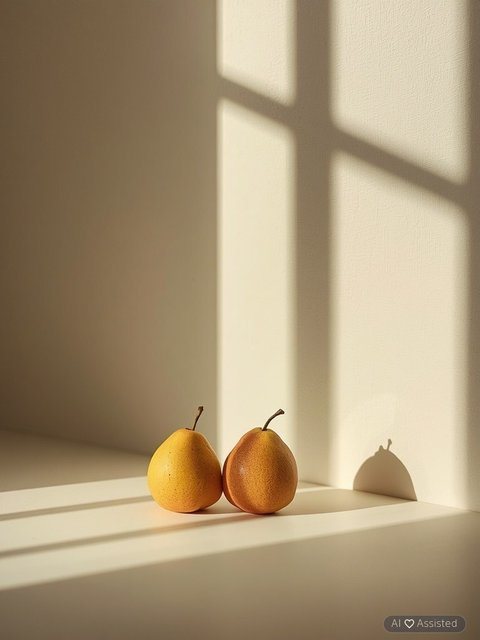
The common quince (Cydonia oblonga) ranks among the oldest cultivated fruits in human civilization, dedicated in ancient Greece to Aphrodite as an emblem of fertility and love. Its hard, golden-yellow fruits possess an enchanting honeyed floral fragrance; while too astringent and fibrous to enjoy raw, thermal culinary preparation magically transforms them into ruby-toned delicacies. Abundantly loaded with natural vitamin C, soluble pectins, protective tannins, and bioflavonoids, quince purees, traditional liqueurs, and artisan confitures provide outstanding support for digestive comfort and seasonal immunity.
Want to apply these guidelines in your daily diet?
Our smart diet generator creates a tailored meal plan in 3 minutes based on the recommendations in this article.
This article is professional premium content (PRO) provided in its entirety.
Common Quince – Botanical Origins, History, and Heritage
The common quince (Cydonia oblonga) traces its indigenous roots to the Transcaucasian mountains, northern Iran, and Asia Minor, spreading across the Mediterranean in classical antiquity. Belonging to the Rosaceae family, it is closely related to apples and pears. The quince tree grows 3 to 5 meters in height, adorned with magnificent soft-pink blossoms in spring. Ripened autumn fruits resemble knobby pears or apples and feature a soft downy felt coating that must be gently wiped away before culinary processing to reveal their waxy, golden skin.
Intriguing Historical Facts About Quince in Culture and Cuisine
The very word marmalade originates from the Portuguese marmelo, which translates directly as quince; the original marmalade was a sliceable paste of quince and honey, celebrated in Iberia as dulce de membrillo. In classical Rome, newlyweds shared a fresh quince fruit before crossing the bridal threshold to ensure enduring harmony and fertility. Furthermore, modern classical scholars believe the legendary golden apple awarded by Paris to Aphrodite, and the golden apples of the Hesperides, were not apples at all, but fragrant golden quinces.
Nutritional Value and Medicinal Properties of Quince
Quince fruits serve as exceptional functional nutrition. They supply concentrated ascorbic acid (vitamin C), bioavailable copper, potassium, iron, and metabolic B vitamins. The defining therapeutic gem of quince lies in its soluble dietary pectin and botanical mucilage. These hydrocolloids coat the gastrointestinal lining, shielding mucosal tissue against acid reflux, gastritis, and ulcers. Simultaneously, astringent tannins exert potent antibacterial and anti-diarrheal effects, while polyphenol antioxidants combat vascular lipid peroxidation.
Quince vs. Flowering Quince: Key Differences Between Cydonia and Chaenomeles
In popular language, true quince and flowering quince are frequently conflated, yet they represent distinct botanical genera:
• True Quince (Cydonia oblonga) forms a thornless small tree bearing substantial fruits resembling large apples or pears weighing 200 g to over 800 g.
• Flowering Quince (Chaenomeles, e.g., japonica) is a low, spiny ornamental bush bearing miniature, rock-hard spherical fruits the size of walnuts (20–50 g) possessing extreme acidity and concentrated perfume.
Both species are entirely edible after cooking and yield superb cordials and jellies.
Immune Resilience and Anti-Inflammatory Actions of Quince
Quince cordial is recognized in traditional phytotherapy as a potent natural remedy against seasonal respiratory infections and sore throats. Synergies between bioavailable vitamin C and plant bioflavonoids strengthen vascular walls, while mucilaginous compounds soothe irritated laryngeal and pharyngeal membranes. Furthermore, uncrushed quince seeds soaked in warm water yield a soothing mucilaginous hydrogel, historically used to soothe stomatitis, gingivitis, and irritated dermal surfaces.
Metabolic Regulation: How Dietary Quince Supports Weight Management
Quince boasts a low glycemic index and modest caloric density (approx. 57 kcal per 100 g). Its rich soluble pectin fibers swell in the gastric lumen, delaying gastric emptying and promoting sustained satiety. Colonic binding of bile acids by quince pectin supports healthy lipid clearance while attenuating postprandial glucose surges, guarding against reactive hypoglycemia and subsequent cravings.
How to Prep Quince: Peeling, Coring, and Enzymatic Browning Prevention
Prepping quince requires care due to its rock-hard parenchymal density. The initial step involves rubbing off the fuzzy surface felt with a clean tea towel, followed by washing. Utilize a heavy, sharp chef's knife to cleave the fruit into quarters and excise the stony core and seeds. Whole seeds should not be crushed or eaten in bulk due to amygdalin precursors. Because quince oxidizes rapidly upon exposure to air, submerge freshly cut slices immediately into cold acidulated lemon water.
Quince Cordial and Juice: The Aromatic Domestic Alternative to Lemon
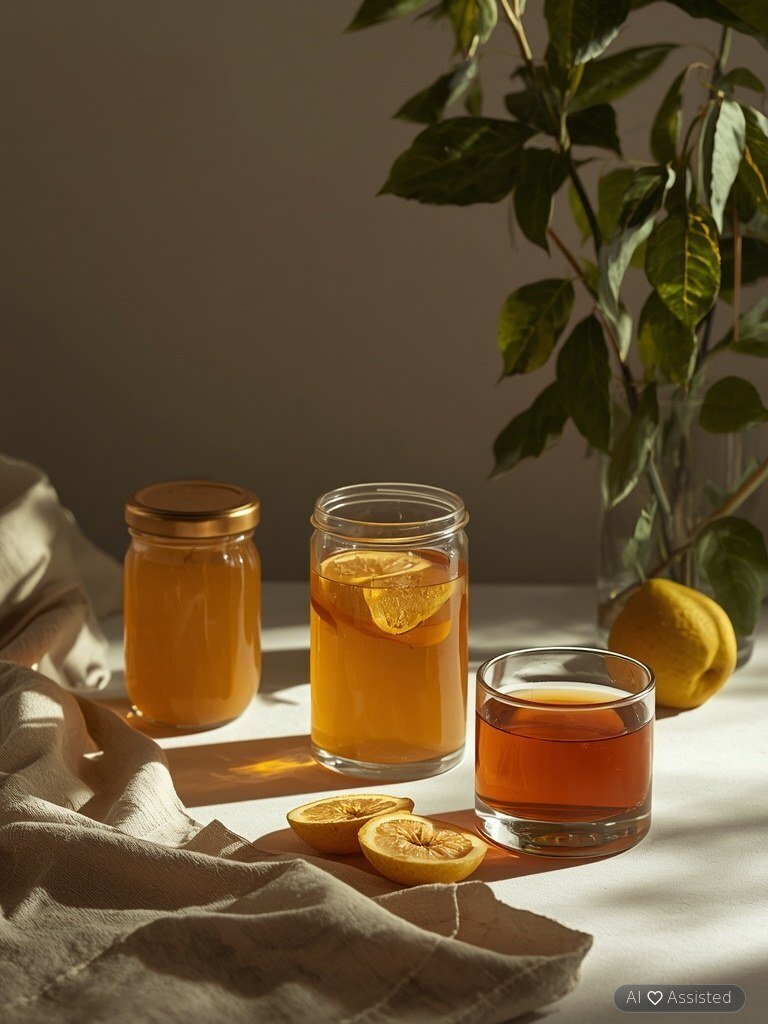
Quince cordial represents the quintessential autumnal tea accompaniment, affectionately celebrated as the northern alternative to lemon. Thinly sliced quince is layered in clean glass jars, alternating with unrefined sugar (approx. 600–800 g per 1 kg fruit). Cover with breathable cheesecloth and allow to macerate in a warm room for 3–5 days, swirling daily until the sugar dissolves and jewel-like syrup separates. Decant and water-bath pasteurize in bottles for an intoxicating, citrus-floral tea enhancement.
Authentic Quince Tincture: Crafting the Legendary Pigwówka
Artisanal quince liqueur (pigwówka) is celebrated for its glowing amber clarity and intoxicating bouquet. Master recipe: combine 1 kg of diced, cleaned quince with 500 mL of 95% neutral spirit and 500 mL of pure 40% vodka (yielding roughly 65% ABV maceration strength). Macerate in darkness for 4–6 weeks. Decant the alcohol and coat the fruit with 400 g of artisanal honey or cane sugar. Once dissolved, combine both extracts, filter through unbleached paper, and cellar-age for at least 6 months to allow harmonious maturation.
Artisan Quince Confitures and Traditional Spanish Dulce de Membrillo
Due to exceptional endogenous pectin, quince yields incomparable jams without artificial additives. The apex of quince gastronomy is Iberian dulce de membrillo (quince cheese): cooked quince pulp is pureed with sugar in a 1:1 ratio and simmered over low flame for 60–90 minutes until it magically oxidizes into a deep ruby red paste. Poured into shallow molds to set, it forms a sliceable confection historically paired with aged cheeses (such as Manchego or Pecorino) and walnuts for a classic gourmet presentation.
Tags

mgr Max Müller
✓Diets Premium Expert
Diets Premium team expert. Specializes in nutrition plans, strength sports, and training plans.
View Profile →