Raspberries – Health-Promoting Properties, Nutritional Profile, and Dietary Significance

| Diets Premium Expert Sophia Williams | min read 2 min | Scientifically reviewed by a clinical dietitian 23.10.2026 |
Smart Voice
•Listen to the article content live
Want to apply these guidelines in your daily diet?
Our smart diet generator creates a tailored meal plan in 3 minutes based on the recommendations in this article.
Botanical Origin and Macronutrient Matrix of Raspberries
The European red raspberry (Rubus idaeus) is a perennial deciduous shrub belonging to the rose family (Rosaceae), native to temperate European and Asian woodlands and widely cultivated globally. Botanically, the fruit is not a single berry, but an aggregate fruit comprised of numerous drupelets arranged around a central core (receptacle) that remains on the plant when plucked.
Nutritional composition per 100 g of fresh raspberries:
- Caloric density – approximately 43–52 kcal (180–218 kJ), optimizing volumetric satiety in hypocaloric diets.
- Water content – 85–86% total hydration fraction.
- Dietary fiber – an extraordinary 6.5–7.0 g per 100 g, ranking among the highest fiber concentrations in the plant kingdom and delivering 25–30% of daily adult targets.
- Net carbohydrates – only 5.0–5.5 g of digestible monosaccharides.
- Proteins and lipids – 1.2 g protein and 0.65 g lipids (concentrated within tiny achene seeds as linoleic and alpha-linolenic fatty acids).
- Glycemic Index (GI) – exceptionally low at 25–30, eliciting minimal postprandial insulin secretion.
Antioxidant Density – Ellagic Acid and Anthocyanins
The therapeutic excellence of raspberries stems from an intricate matrix of polyphenolic antioxidants and micronutrients:
- Ellagic acid and ellagitannins (primarily sanguiin H-6) – comprising over 50% of the total phenolic fraction, these hydrolyzable tannins exhibit potent radical scavenging, mitigate cellular DNA damage, and serve as precursors for colonic microbial biotransformation into protective urolithins (notably urolithin A).
- Anthocyanins (cyanidin and pelargonidin glucosides) – responsible for rich ruby coloration, these flavonoids scavenge lipid peroxides, strengthen microvascular capillary integrity, and inhibit LDL oxidation.
- Ascorbic acid (Vitamin C) – delivering 26–30 mg per 100 g (>35% RDA), augmenting immune leukocyte chemotaxis and collagen synthesis.
- Manganese – a standard serving satisfies nearly 50% of daily manganese requirements, supporting mitochondrial superoxide dismutase (MnSOD) activity.
Raspberries in Insulin Sensitivity and Systemic Inflammation
Human clinical trials validate the targeted metabolic efficacy of dietary raspberries:
- Insulin sensitivity enhancement – intervention trials in adults with prediabetes demonstrated that adding whole raspberries to carbohydrate meals significantly attenuates postprandial glucose excursions and reduces compensatory insulin spikes.
- Digestive enzyme modulation – raspberry polyphenols inhibit pancreatic alpha-amylase and intestinal alpha-glucosidase, smoothing the intestinal starch absorption curve.
- Anti-inflammatory action – daily intake attenuates circulating biomarkers of chronic systemic inflammation, suppressing high-sensitivity C-reactive protein (hs-CRP), TNF-alpha, and IL-6.
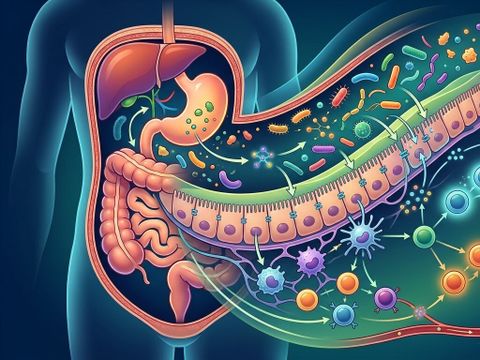
- Microbiome remodeling – prebiotic oligosaccharides and polyphenols promote blooms of beneficial commensal bacteria, including Bifidobacterium and Akkermansia muciniphila.
Culinary Uses and the Nutritional Benefits of Frozen Raspberries
Raspberries represent an exquisite culinary asset adaptable across seasonal patterns:
- Preservation via freezing – flash-frozen raspberries retain 90–95% of native ascorbic acid and ellagitannins. Given the brevity of fresh harvest periods, frozen berries deliver uncompromised antioxidant protection year-round.
- Raspberry leaf infusions – traditionally prized in herbal pharmacopeia; leaves are dense in astringent hydrolyzable tannins and flavonoids, exerting antispasmodic and anti-inflammatory properties.
- Gastronomic versatility – seamless additions to morning oats, Greek yogurt, high-protein smoothies, and savory culinary reductions paired with roasted duck or goat cheese salads.
- Handling recommendations – fresh berries possess delicate epidermal walls; rinse gently under cold water only immediately prior to serving and drain on absorbent paper to prevent spoilage.
Tags

Sophia Williams
✓Diets Premium Expert
Diets Premium team expert. Specializes in nutrition plans, strength sports, and training plans.
View Profile →