Lightly salted half-sour pickles: Health benefits, biological distinctions from sour pickles, and a step-by-step homemade preparation guide

| Diets Premium Expert Mateusz Pawlak | min read 4 min | Scientifically reviewed by a clinical dietitian 23.10.2026 |
Smart Voice
•Listen to the article content live
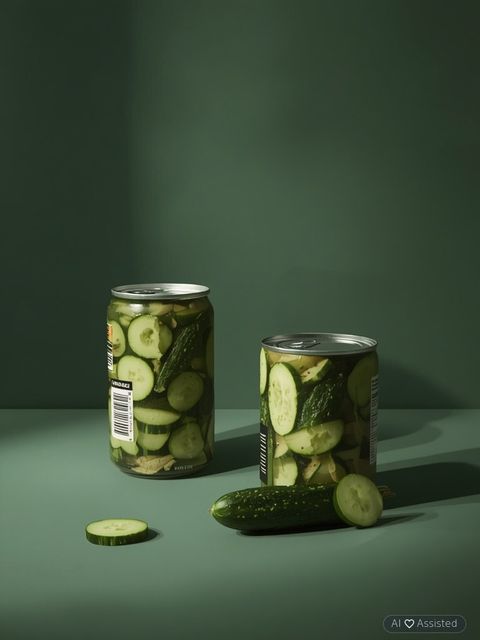
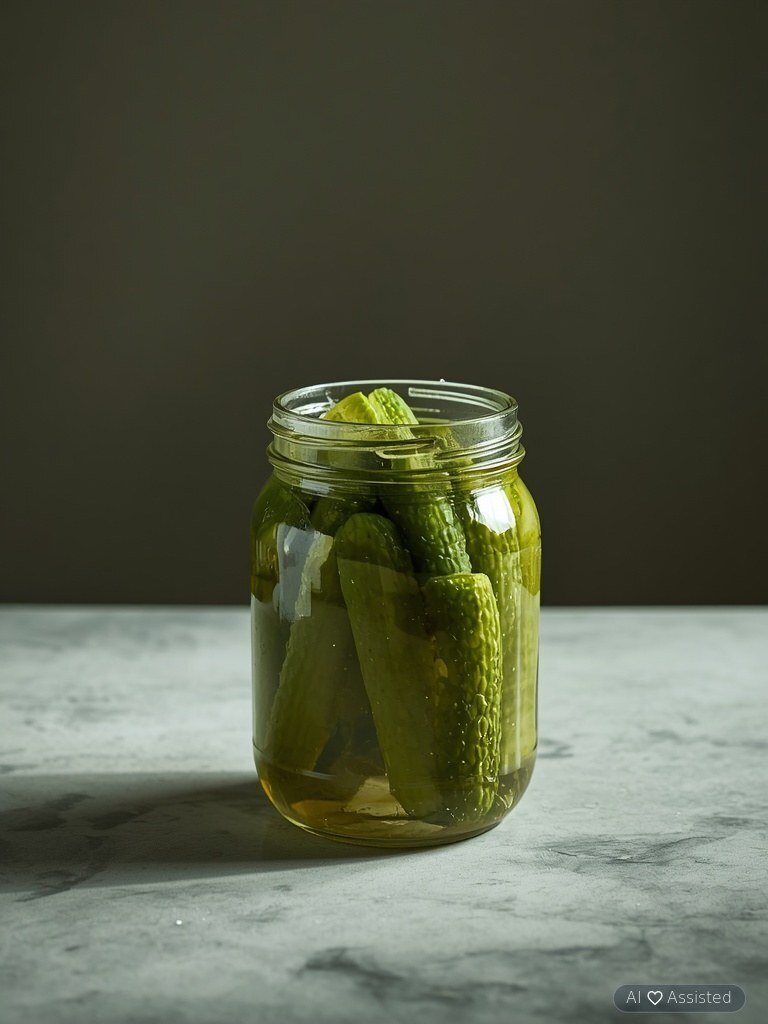
Lightly salted half-sour pickles (ogórki małosolne) embody the refreshing essence of early summer, representing the product of an abbreviated, 2-to-4-day lactic acid fermentation. They are celebrated for their intensely crisp, succulent texture, bright emerald-green hue, and delicate mild acidity imbued with garlic and fresh dill umbels. Bridging the gap between raw garden cucumbers and mature sour pickles, they deliver active probiotic cultures alongside vital hydrating electrolytes.
Want to apply these guidelines in your daily diet?
Our smart diet generator creates a tailored meal plan in 3 minutes based on the recommendations in this article.
What are half-sour pickles and how does short-term lactic fermentation work?
Half-sour pickles represent an intermediate biological phase between raw pickling cucumbers and fully soured lacto-pickles. Fermentation is arrested after just 2 to 4 days at ambient room temperature. During this brief window, lactic bacteria ferment only a fraction of available sugars into organic acids, yielding crisp crunchiness and a gentle tartness without pungent sourness. The rind retains its vivid green hue and cellular turgor.
Caloric density, glycemic index, and macronutrient distribution
A 100 g serving of lightly salted pickles provides merely 11–13 kcal, consisting of over 95% pure cellular water—making them an extraordinary natural hydrator during hot summer months. Macronutrients comprise 0.8 g protein, 0.1 g lipid, 2.0 g carbohydrate, and approximately 1.0 g prebiotic fiber. With a glycemic index below 15, they provide substantial gastric volume, promoting satiety on hypocaloric cutting regimens.
Digestive benefits and microbiome enrichment
Half-sour pickles supply active lactic acid bacteria in their dynamic logarithmic growth phase. They reinforce commensal gut diversity, ease intestinal transit, and prevent postprandial dyspepsia following heavy meals. Furthermore, the inclusion of whole garlic cloves and raw horseradish root infuses the brine with allicin and isothiocyanate phytoncides that exhibit natural antimicrobial properties, safeguarding gastrointestinal mucosal immunity.
Key distinctions between half-sour pickles and fully fermented sour pickles
The core differences encompass: fermentation duration (half-sours: 2–4 days; fully soured: 2 weeks to several months), internal pH (half-sours register pH 4.5–5.0; sour pickles drop below 4.0), sodium content (tissue sodium is lower in half-sours), and physical texture (half-sours retain snappy crispness, whereas sour pickles become softer and translucent). Half-sours are often better tolerated by individuals with gastric hyperacidity who struggle with intensely sour foods.
Step-by-step master recipe: Crafting crisp half-sour pickles at home
To craft impeccable half-sour pickles at home:
- Select firm, freshly picked small pickling cucumbers and soak them in ice-cold water for 1–2 hours to maximize cellular crunch;
- Prepare the brine: dissolve exactly 1 tablespoon of non-iodized rock salt in 1 liter of hot water;
- Place fresh flowering dill umbels, smashed garlic cloves, and sliced horseradish root at the base of a clean ceramic crock or glass jar;
- Pack the cucumbers tightly in an upright position, top with extra dill, and pour the warm brine over until fully submerged;
- Cover with a clean plate or loose lid and keep at room temperature for 48–72 hours. Once they reach desired crispness, transfer to the refrigerator to halt further souring.
Tags

mgr Mateusz Pawlak
✓Diets Premium Expert
Diets Premium team expert. Specializes in nutrition plans, strength sports, and training plans.
View Profile →