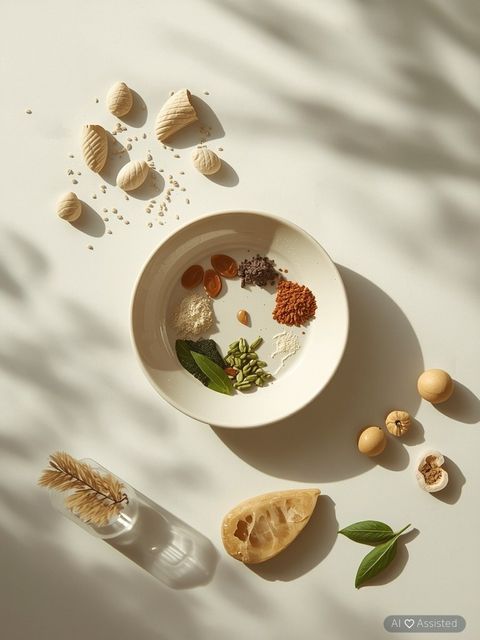
Characteristics and Potential Health Benefits of Raspberry Leaves – How Herbal Infusions Support Vitality

| Diets Premium Expert Alicja Kowalska | min read 4 min | Scientifically reviewed by a clinical dietitian 23.10.2026 |
Smart Voice
•Listen to the article content live
Since antiquity, the therapeutic properties of the European red raspberry (Rubus idaeus) have been revered in botanical medicine. While the berries reign in culinary popularity, raspberry leaves represent a cornerstone of traditional herbalism. Teeming with tannins, flavonoids, and organic acids, raspberry leaf infusions deliver astringent, antimicrobial, antipyretic, and smooth muscle-toning actions.
Want to apply these guidelines in your daily diet?
Our smart diet generator creates a tailored meal plan in 3 minutes based on the recommendations in this article.
Phytochemical Composition of Raspberry Leaves
Red raspberry foliage harbors a concentrated phytochemical arsenal. Most prominent are ellagitannins (up to 10%), imparting robust astringent and mucosal-protective qualities.
The botanical matrix further contains bioflavonoids (quercetin, kaempferol), organic fruit acids (ellagic, citric, malic), mucilage, triterpenes, vitamin C, and essential minerals including bioavailable iron, magnesium, and calcium, conferring substantial antioxidant defense.
Therapeutic Applications and Clinical Indications
Raspberry leaf preparations address a wide clinical spectrum in modern phytotherapy:
- Upper respiratory infections – acting as gentle diaphoretics and antipyretics during colds and flu;
- Gastrointestinal catarrh – astringent tannins calm inflamed intestinal mucosa and arrest mild acute diarrhea;
- Oral and pharyngeal inflammation – gargles alleviate aphthous ulcers, gingivitis, and pharyngitis;
- Gynecological well-being – alleviating dysmenorrhea through fragarine, a plant alkaloid that harmoniously tones and relaxes uterine smooth muscle.
Harvesting, Drying, and Proper Storage Guidelines
The optimal harvesting window occurs in late spring to early summer (May to June), prior to full shrub anthesis. Gather young, vibrant green leaves free of fungal spots or pests during dry, sunny mornings.
Drying must proceed in shaded, well-ventilated areas at ambient temperatures or in specialized dehydrators below 40°C. Correctly processed foliage preserves its green color and delicate aroma. Store in airtight amber glass jars or sealed craft paper bags away from ambient moisture.
Market Availability and Quality Evaluation
Dried raspberry leaf is readily obtainable in pharmacies, apothecaries, and organic markets as loose cut herb or in portioned unbleached tea bags.
Average retail costs range between 1.5 to 3 EUR per 100 g. Prioritize certified organic (EU Organic) harvests to avoid pesticide residues. Opt for coarse cut or intact dried leaves rather than fine powdered teas, which degrade faster due to oxidative exposure.
Raspberry Leaf Tea During Pregnancy and Postpartum
Raspberry leaf tea holds iconic status in midwifery as a tonic preparing the uterus for labor. The active alkaloid fragarine selectively tones uterine smooth muscle fibers, enhancing coordinate contractions during childbirth.
Vital obstetric guidelines:
- Initiate consumption only after week 36 or 37 of gestation, strictly under physician or midwife approval;
- Contraindicated during the first and second trimesters to prevent premature uterine hyperactivity;
- Postpartum consumption accelerates uterine involution and physiological recovery.
Systemic Health Benefits and Antioxidant Potential of Raspberry Tea
Routine intake of raspberry leaf herbal tea exerts broad protective effects across organ systems. Abundant polyphenols neutralize hydroxyl and peroxyl radicals, aiding cardiovascular protection and slowing cellular senescence.
Furthermore, mild aquaretic properties facilitate renal clearance of surplus fluid and sodium without excessive potassium wasting, assisting vascular tension management and peripheral edema reduction.
Brewing Instructions and Dosage Guidelines for Raspberry Leaf Tea
Preparing a therapeutic infusion requires proper water temperature and adequate steep times:
- Place 1–2 teaspoons (approx. 2–3 g) of dried leaves into a mug or teapot;
- Pour over 200–250 ml of freshly boiled water (95–100°C);
- Cover tightly and steep for 10–15 minutes to maximize flavonoid extraction;
- Strain thoroughly and enjoy 1–2 times daily between meals.
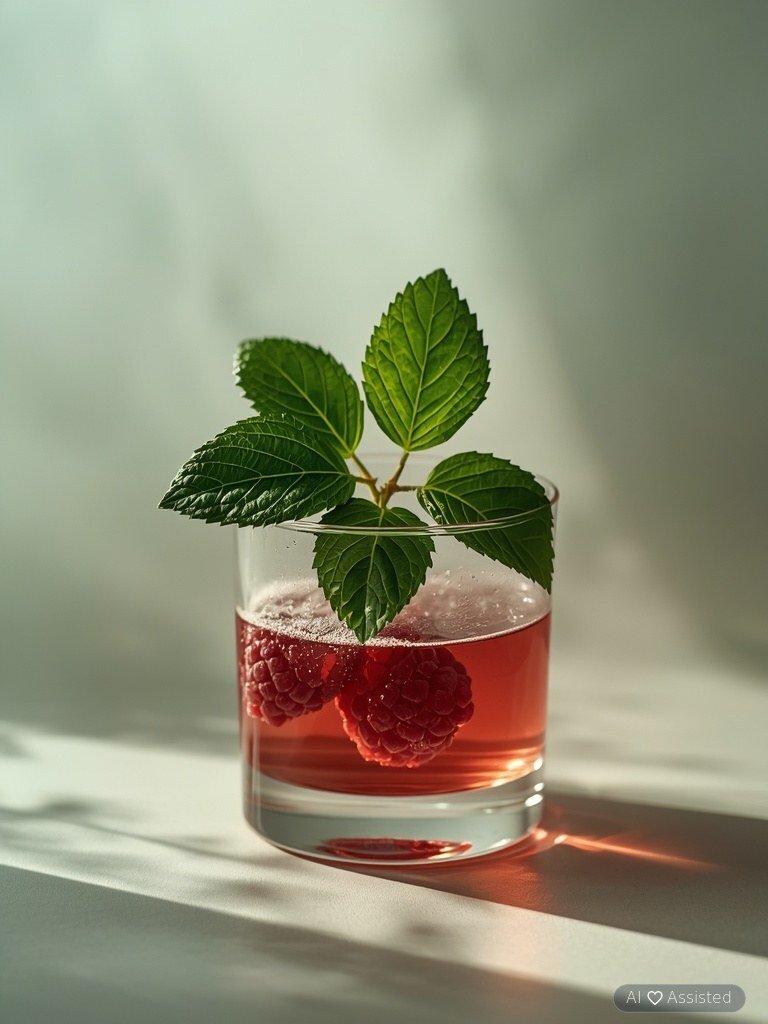
The infusion boasts a mild herbal aroma reminiscent of delicate black tea, easily enhanced with lemon zest or raw honey.
Tags

Alicja Kowalska
✓Diets Premium Expert
Diets Premium team expert. Specializes in nutrition plans, strength sports, and training plans.
View Profile →