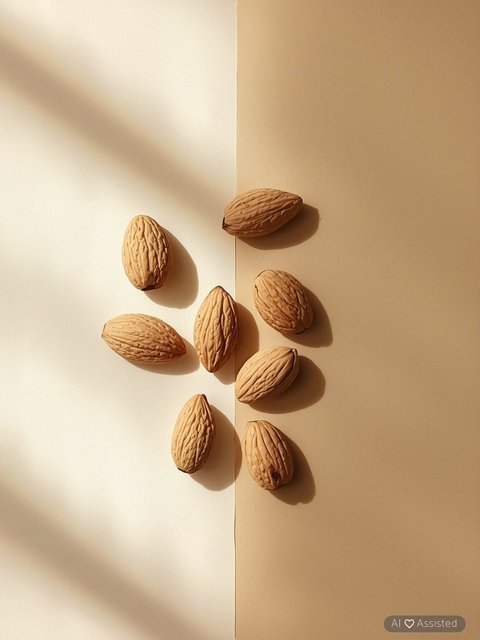
Cashew nuts – Complete nutritional profile and distinctive features of the planet’s most wholesome snack

| Diets Premium Expert David Janitzek | min read 2 min | Scientifically reviewed by a clinical dietitian 23.10.2026 |

Smart Voice
•Listen to the article content live
Cashew nuts rank among the most prized culinary and nutritional treasures worldwide, celebrated for their delicate buttery texture and potent nutrient density. Harvested from the cashew tree, these kidney-shaped kernels supply an abundance of heart-healthy monounsaturated fats, bioavailable plant protein, vital trace minerals such as copper, magnesium, and zinc, alongside protective polyphenols. Discover the biochemical composition, cardioprotective advantages, metabolic benefits, and culinary best practices associated with regular cashew consumption.
Want to apply these guidelines in your daily diet?
Our smart diet generator creates a tailored meal plan in 3 minutes based on the recommendations in this article.
Botanical Origin and Characteristics of the Cashew Tree
Cashews are not true botanical nuts, but rather the seeds of the tropical cashew tree (Anacardium occidentale), indigenous to northeastern Brazil and now cultivated extensively across India, Vietnam, Côte d'Ivoire, and Nigeria. Belonging to the Anacardiaceae family, the cashew tree shares a close phylogenetic lineage with pistachios and mangoes.
A striking botanical feature of the cashew is its distinct fruiting morphology. The actual fruit is a kidney-shaped drupe that hangs from a swollen, pear-like pseudofruit known as the cashew apple. Inside the hard exterior shell lies the edible kernel. The protective shell contains a caustic phenolic resin known as anacardic acid and cardol (chemically related to urushiol). Consequently, cashews must undergo careful thermal processing and steaming to neutralise toxic compounds before the kernel is mechanically extracted. Commercially sold "raw" cashews have already undergone this preliminary heat treatment, rendering them safe, wholesome, and ready to consume.
Detailed Nutritional Profile and Essential Micronutrients
Compared to other tree nuts such as walnuts or macadamias, cashews possess a comparatively lower total lipid content (approximately 44–46 g per 100 g), accompanied by a higher concentration of complex carbohydrates (around 30 g) and high-quality plant-based protein (roughly 18 g per 100 g). They provide around 553–570 kcal per 100 g.
The fat composition is dominated by beneficial monounsaturated fatty acids, particularly oleic acid (the hallmark fatty acid of extra virgin olive oil), supplemented by polyunsaturated linoleic acid. From a micronutrient standpoint, cashews serve as an extraordinary source of:
- Copper: A 30-gram serving satisfies more than 70% of the recommended dietary intake, facilitating iron transport and connective tissue synthesis.
- Magnesium: Crucial for enzymatic reactions, neuromuscular conduction, blood pressure homeostasis, and bone mineralization.
- Zinc and Iron: Key cofactors for optimal immune competence, cellular division, and haemoglobin synthesis.
- B-Complex Vitamins: Rich in thiamine (B1), pyridoxine (B6), and folate, which govern cellular metabolism and neurotransmitter balance.
Cardiovascular, Metabolic, and Cellular Health Benefits
Clinical research increasingly confirms that integrating cashew nuts into a nutrient-dense dietary pattern yields measurable cardiovascular benefits. Their synergic blend of oleic acid, phytosterols, and soluble fiber supports a favorable lipid profile by lowering circulating LDL cholesterol and improving the total-to-HDL cholesterol ratio, mitigating the development of atherosclerotic plaques.
Furthermore, cashews exhibit a low glycemic index. The balance of dietary fat, fiber, and protein dampens postprandial blood sugar spikes, making them an ideal snack choice for individuals addressing insulin resistance or metabolic syndrome. Potent bioactive antioxidants—including lutein, zeaxanthin, and tocopherols—protect cellular membranes against oxidative damage, promote macular health, and alleviate subclinical inflammatory states throughout the vascular endothelium.
Practical Recommendations: Portion Sizes, Storage, and Culinary Uses
To leverage the therapeutic and nutritional advantages of cashews without exceeding daily caloric goals, clinical guidelines typically recommend a serving of 30 grams per day (approximately 15–20 nuts). Consumers should prioritize raw or dry-roasted, unsalted nuts without added hydrogenated oils to prevent excessive sodium intake and oxidized fats.
In the culinary arena, cashews are renowned for their culinary versatility:
- Plant-based dairy alternatives: When soaked in water and blended, cashews create an extraordinarily rich, neutral emulsion suitable for vegan creams, cheeses, and velvety sauces.
- Savory and sweet applications: They add crucial texture and micronutrient value to Asian stir-fries, grain bowls, morning oats, and artisanal salads.
- Storage instructions: Given their susceptibility to lipid oxidation, cashews should be kept in airtight glass containers in a cool, dark pantry or refrigerated to preserve their delicate essential fatty acids.
Tags

mgr David Janitzek
✓Diets Premium Expert
Diets Premium team expert. Specializes in nutrition plans, strength sports, and training plans.
View Profile →