Can Fruit and Vegetable Snacks Be a Healthy Alternative to Traditional Chips?

| Diets Premium Expert Max Müller | min read 3 min | Scientifically reviewed by a clinical dietitian 23.10.2026 |
Smart Voice
•Listen to the article content live
Potato chips are among the most consumed snack foods globally, yet their high saturated fat, sodium, and acrylamide content raise valid health concerns. This article examines whether vegetable and fruit chips can serve as genuinely healthy alternatives.
Want to apply these guidelines in your daily diet?
Our smart diet generator creates a tailored meal plan in 3 minutes based on the recommendations in this article.
Composition and Nutritional Profile of Traditional Chips
Standard potato chips are produced by deep-frying paper-thin potato slices in hot vegetable oil at temperatures exceeding 160–180°C (320–355°F). A standard 100-gram bag typically supplies:
- 500 to 550 kilocalories.
- 30 to 38 grams of lipids, often rich in saturated and oxidized fats.
- Approximately 50 grams of rapidly digestible starches.
- 1.5 to 2.5 grams of salt alongside synthetic flavor enhancers like monosodium glutamate.
The hyperpalatable combination of starch, lipid density, and sodium stimulates dopaminergic reward pathways, overriding physiological satiety signaling and encouraging passive overconsumption.
Caloric Density and Glycemic Load
Dehydration during the frying process escalates caloric density exponentially. Raw potatoes consist of roughly 78% water; finished chips retain less than 2% moisture. Consequently, a remarkably small food volume packs massive energy content.
Furthermore, high-heat thermal processing fully gelatinizes starches, causing swift postprandial glucose spikes followed by compensatory hyperinsulinemia and reactive cravings.
Health Impacts of Deep-Frying and Trans Fats
When starchy foods are subjected to temperatures above 120°C (248°F), the amino acid asparagine reacts with reducing sugars via the Maillard reaction, generating acrylamide. The European Food Safety Authority (EFSA) identifies dietary acrylamide as a compound with potential genotoxic and carcinogenic risks.
Additionally, repeated thermal abuse of frying oils generates lipid peroxides and trans-isomer fatty acids, which elevate circulating LDL cholesterol and accelerate vascular endothelial inflammation.
Homemade Baked Chips as a Healthier Choice
Preparing homemade vegetable crisps in an oven or air fryer provides crunch without the excess lipids and industrial additives:
- Root vegetable crisps: Shave beetroots, sweet potatoes, parsnips, and carrots into paper-thin slices.
- Measured oil use: Lightly coat with a single teaspoon of extra virgin olive oil per baking tray.
- Gentle baking temperatures: Bake at 140–160°C (285–320°F) for 20–30 minutes to reduce acrylamide formation while preserving crispness.
- Natural seasoning: Flavor with smoked paprika, nutritional yeast, or dried rosemary.
This culinary swap cuts fat content by up to 70% while preserving dietary fiber and antioxidants like betalains and carotenoids.
Dried Fruit and Vegetable Chips – What to Watch For
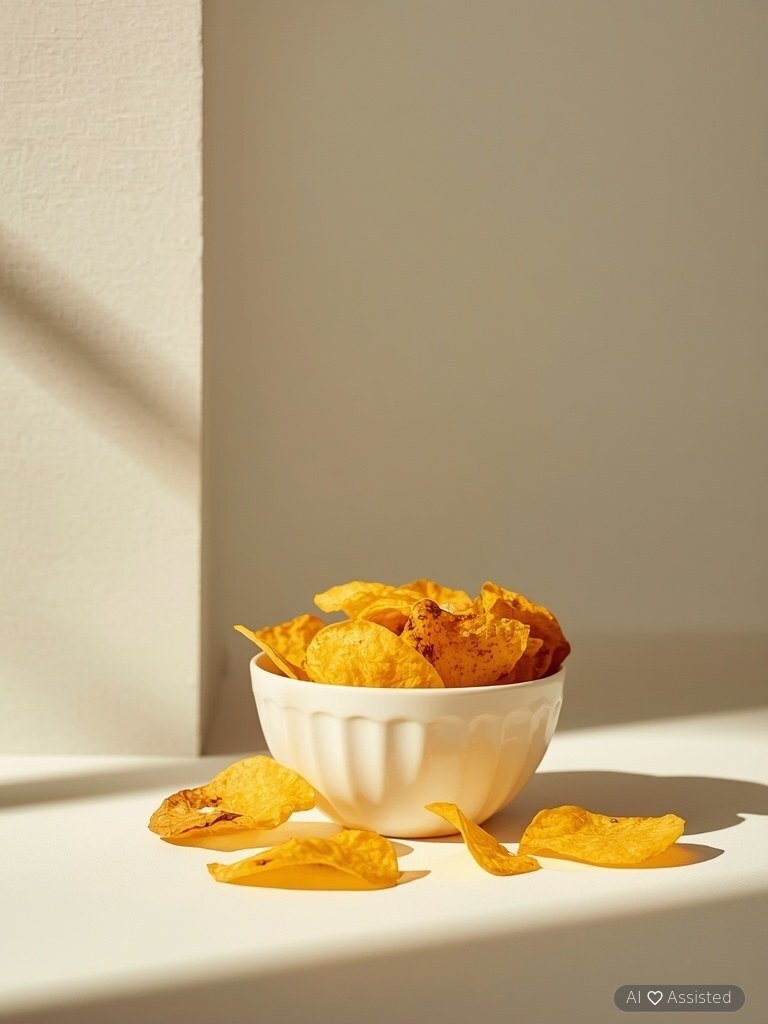
Commercial shelves display an increasing array of packaged banana, apple, and kale crisps. Careful label evaluation is imperative:
- Hidden frying fats: Many packaged banana and veggie chips are deep-fried in palm or coconut oil, matching traditional chips in caloric density.
- Added sugars: Fruit slices are frequently sweetened with glucose syrup to enhance shelf appeal.
- Optimal choice: Freeze-dried (lyophilized) snacks: Freeze-drying extracts moisture under low pressure, preserving 90%+ of heat-sensitive vitamins without added fats.
Conclusion: Pure air-dried or freeze-dried fruits and vegetables make splendid, nutrient-dense snacks, provided they remain free of added oils and sweeteners.

mgr Max Müller
✓Diets Premium Expert
Diets Premium team expert. Specializes in nutrition plans, strength sports, and training plans.
View Profile →