PRO
6 min read
Energy Shake for Breakfast or Before Training – Recipes

David Janitzek
✓
Diets Premium Expert • 23.10.2026
✓
Scientifically reviewed by a clinical dietitian:
This article has been peer-reviewed for adherence to IŻŻ, WHO, and PTGiP clinical nutritional standards.
| Diets Premium Expert David Janitzek | min read 6 min | Scientifically reviewed by a clinical dietitian 23.10.2026 |
Smart Voice
•Listen to the article content live
0:00
/
0:00
Key Takeaways
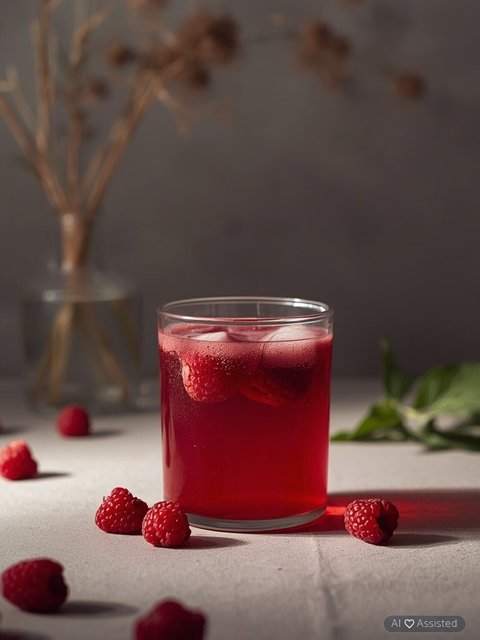
Recently, the consumption of cocktails in Poland has gained significant popularity. In stores, you can find fascinating cups and straw jars, which are excellent for storing homemade drinks. Some enjoy drinking an energy cocktail instead of a morning meal, while others prefer it before or after physical exertion... Regardless of the occasion, cocktails offer an interesting alternative to traditional meals and snacks.
Meal Plan
Want to apply these guidelines in your daily diet?
Our smart diet generator creates a tailored meal plan in 3 minutes based on the recommendations in this article.
PRO Content
PRO
This article is professional premium content (PRO) provided in its entirety.
Nutrient-dense high-calorie energy blend
Nutrient-dense liquid meals with a creamy yet fluid texture represent a contemporary alternative to conventional dishes, distinguished by their adaptable consistency determined by the selected ingredients. These nutritional compositions typically manifest as thick, semi-liquid blends prepared from fresh seasonal or deep-frozen fruits and vegetables, enriched with dairy or plant-based products—such as whole animal milk, cultured yogurt beverages, kefir, buttermilk, or their vegan equivalents. Essential components also include whole-grain elements like rolled oats, intact grain groats, wheat bran, or rye bran. To enhance both caloric density and nutritional profile, healthy fat sources can be incorporated: walnuts, almonds, pumpkin seeds, flaxseeds, natural nut butters, and avocados. Individuals following high-protein regimens may further augment the blend with cottage cheese, farmer’s cheese, or whey protein isolates. Of particular importance is flavor enhancement, where aromatic spices prove exceptional: ground Ceylon cinnamon, fresh ginger root, turmeric powder, cardamom pods, as well as high-theobromine cocoa, carob flour, or dark chocolate with minimal sugar content. Superfood enthusiasts frequently incorporate additions such as chlorella algae powder, spirulina, or pulverized Peruvian maca root. The preparation process remains remarkably straightforward, requiring no advanced culinary skills—simply thorough washing and peeling of ingredients (where necessary), followed by blending in a high-performance processor until a smooth, homogeneous texture is achieved. These preparations enjoy particular popularity during spring and summer months, when the availability of fresh, locally sourced produce peaks, enabling unique flavor combinations. During colder seasons, frozen fruits—which retain most of their nutritional properties—serve as an excellent substitute. A definitive advantage of these blends lies in their elevated caloric content, derived from cereal and plant-based fat inclusions, rendering them suitable as a complete breakfast replacement. However, it is critical to note that due to the mechanical disruption of cellular structures during blending, these beverages exhibit a high glycemic index and rapid digestibility. Consequently, individuals with carbohydrate metabolism disorders—such as type 2 diabetes or insulin resistance—should consume them judiciously. Conversely, they represent an optimal solution for underweight children, elderly individuals with reduced appetite, and athletes requiring rapid energy replenishment.
A nutrient-dense high-energy morning blend
A well-balanced morning energy blend should integrate fruit components, a dairy or plant-based milk foundation, and a supplementary contribution from whole-grain products alongside high-quality fat sources. When formulating the recipe, it is essential to account for all these food categories, as this approach ensures the creation of a nutritionally complete meal with an optimal macronutrient profile. Particular emphasis should be placed on selecting grain products rich in dietary fiber, since these compounds effectively moderate carbohydrate absorption rates (thereby lowering the meal’s glycemic index) while simultaneously prolonging satiety. Excellent fiber sources include various cereal flakes—ranging from traditional rye, barley, buckwheat, or oat flakes to mountain-style varieties—as well as diverse bran types, cooked brown rice, whole grains (such as millet or barley), amaranth, and quinoa. Flakes may be incorporated either in their raw form or pre-softened by steeping in hot water, whereas rice and grains must be pre-cooked before blending. Individuals favoring chia seeds (Salvia hispanica) may confidently include them in the energy blend. As providers of premium-quality lipids, supplementary fiber, and complete protein, walnuts, hazelnuts, peanuts, cashews, almonds, sunflower seeds, sesame seeds, and pumpkin seeds all serve as outstanding choices.
Nutrient-packed breakfast smoothies – proven flavor combinations with step-by-step recipes
A curated selection of three distinctive recipes for satisfying smoothies designed to fuel your morning with sustained energy. The first offering is a **velvety chocolate-nut smoothie** enhanced with oat flakes and dates—perfect for those who enjoy sweet-yet-bitter flavor profiles. The second creation is a **sophisticated rice-based "Plum in Chocolate" smoothie**, enriched with sunflower seeds and dark chocolate, offering an unexpected yet harmonious taste experience. The third choice is a **vibrant green avocado smoothie**, packed with vitamins from oranges, kiwis, and celery stalks, and finished with crunchy pistachios. Each recipe includes a meticulous step-by-step guide covering soaking techniques, blending methods, and garnishing tips to achieve the ideal texture and flavor balance.
Pre-workout carbohydrate-optimized energy beverage with minimized fiber, protein, and fat content
A meticulously formulated beverage intended for consumption immediately prior to physical exertion should be distinguished by a predominant concentration of rapidly absorbable simple carbohydrates while maintaining minimal levels of digestive inhibitors such as dietary fiber, complete proteins, and lipids. Fiber compounds, upon hydrating, not only expand in volume and prematurely induce satiety but also substantially decelerate gastric emptying—a physiological process governed by the stomach, whose primary function is the enzymatic breakdown of proteins. Under conditions of vigorous exercise, this may precipitate gastroesophageal reflux, uncomfortable "sloshing" sensations of intraluminal content, and epigastric discomfort. The cumulative effect of such symptoms includes diminished physical performance, compromised training metrics, and a marked reduction in exercise-related satisfaction. Consequently, an optimal pre-workout cocktail should be founded upon fresh fruits (optionally supplemented with dried counterparts), animal-derived or plant-based milk, and low-fiber cereal products such as millet flakes, rice flakes, cooked white rice (including parboiled varieties), or millet porridge. Additional flavor enhancement and caloric supplementation may be achieved through the incorporation of a modest quantity of natural honey alongside judiciously selected spices.
Pre-workout energy beverages – verified formulations and culinary preparation guides
A comprehensive compilation of detailed preparation methods for nutrient-dense pre-workout beverages, rich in complex carbohydrates, natural fructoses, and essential minerals. Featured formulations include: a **millet-banana fusion shake** (comprising millet flakes, fully ripened bananas, and either reduced-fat dairy or plant-based milk alternatives), an **exotic tropical blend** (incorporating mango pulp, orange and lime juice extracts, and fresh mint leaves) as well as a **rice-strawberry revitalizing drink** (enhanced with rice flakes, in-season strawberries, liquid wildflower honey, and fragrant Ceylon cinnamon). Each recipe provides meticulous guidelines regarding thermal pretreatment of cereal flakes, optimal blending durations for ingredient integration, and flavor-adjustment recommendations. Additionally, a reference link to an article on green smoothies as a supplementary component of athletic nutrition is included.

mgr David Janitzek
✓Diets Premium Expert
Diets Premium team expert. Specializes in nutrition plans, strength sports, and training plans.
View Profile →