Homemade raspberry infusion – traditional medicinal applications, therapeutic properties, and a recipe for an effective cold remedy

| Diets Premium Expert David Janitzek | min read 4 min | Scientifically reviewed by a clinical dietitian 23.10.2026 |
Smart Voice
•Listen to the article content live
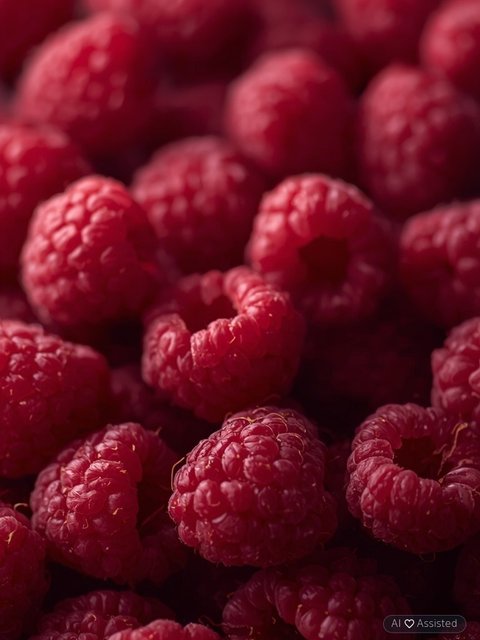
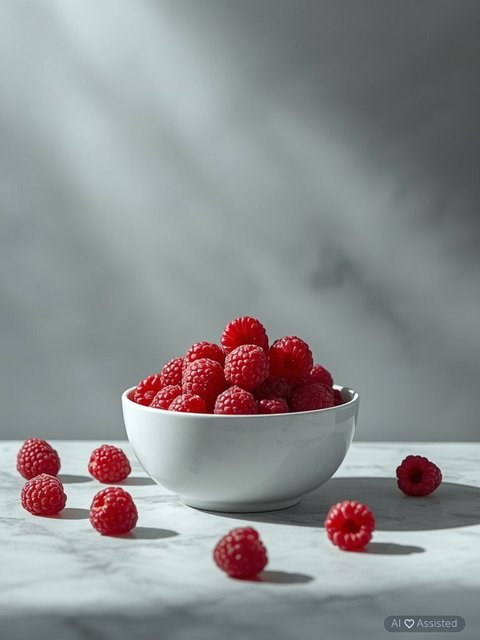
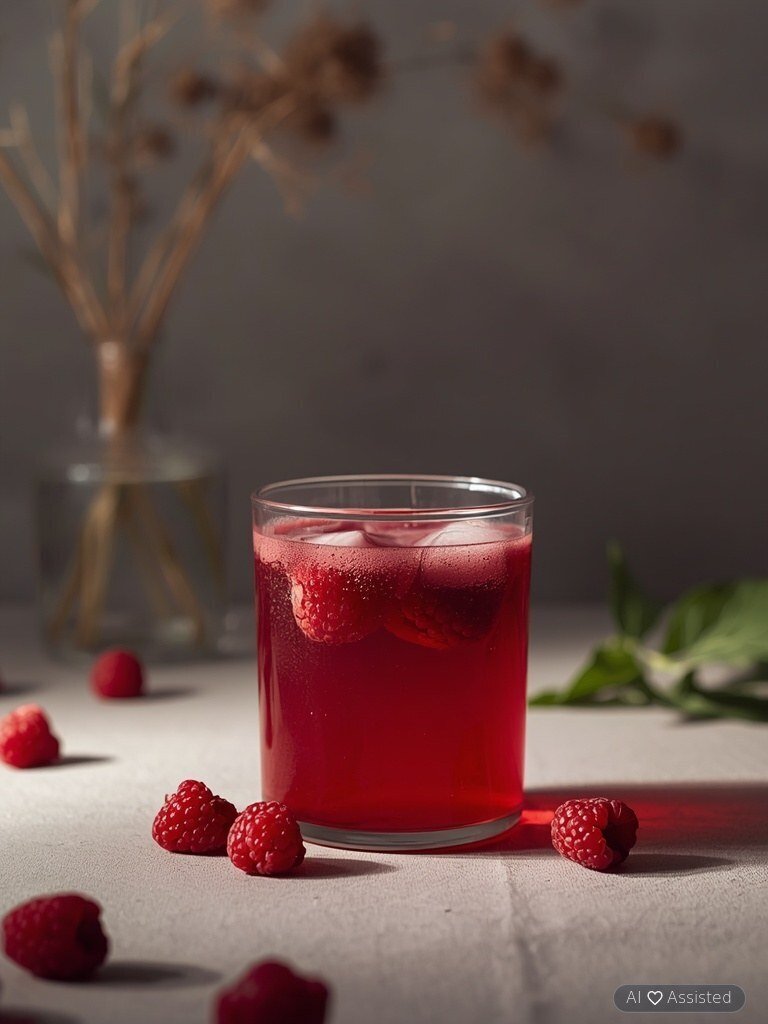
Poland holds a leading position in global raspberry production, ranking as the undisputed top producer in Europe and the third-largest supplier worldwide. The exceptional popularity of raspberries stems not only from their intense, distinctive flavor but also from their abundance of nutrients and bioactive compounds. As early as ancient Greek medicine, their multifaceted effects were recognized—particularly their diaphoretic, astringent, anti-inflammatory, and digestive-regulating properties. Today, homemade raspberry tincture is gaining increasing appreciation, as its regular consumption during periods of heightened susceptibility to illness—namely autumn and winter—can significantly bolster the body’s immune defenses and reduce the risk of upper respiratory tract infections.
Want to apply these guidelines in your daily diet?
Our smart diet generator creates a tailored meal plan in 3 minutes based on the recommendations in this article.
Phytochemical profile of raspberries: anthocyanins, ellagic acid, and salicylates
European red raspberry (Rubus idaeus) displays a potent therapeutic phytochemical signature. Its vivid pigment is governed by cyanidin-derived anthocyanins exhibiting high oxygen radical absorbance capacity.
Crucial constituents include high-molecular ellagitannins, metabolically biotransformed by colonic microflora into bioactive urolithins, alongside endogenous salicylic acid derivatives conferring mild antipyretic properties.
Diaphoretic and antipyretic pharmacodynamics in upper respiratory infections
In botanical medicine, raspberry preparations (juices, leaf decoctions, and tinctures) are revered for their diaphoretic efficacy. Volatile essential oils and salicylate glycosides stimulate peripheral eccrine sweat glands and promote peripheral vasodilation.
This facilitated thermolysis lowers febrile peaks and accelerates the excretion of inflammatory byproducts during acute viral upper respiratory tract infections.
Traditional recipes for homemade raspberry cordial, elixir, and syrup
To protect thermolabile polyphenols and ascorbic acid, prolonged boiling must be avoided. A classic therapeutic preparation involves:
- Macerating 1 kg of unwashed fresh organic raspberries with 400 g of birch xylitol or raw honey in glass jars.
- Allowing 48–72 hours of extraction at room temperature until rich juices separate.
- The resulting raw syrup can be taken directly (1–2 tablespoons in warm linden flower tea) or preserved as an herbal cordial.
Safety parameters, drug interactions, and clinical contraindications
Alcoholic tinctures are strictly contraindicated in pediatrics, gestation, lactation, and hepatic cirrhosis; non-alcoholic syrups or dried fruit teas must be substituted.
Due to endogenous salicylate content, individuals with aspirin-exacerbated respiratory disease (AERD) or those on anticoagulation therapy (warfarin) should monitor intake to prevent hemostatic interactions.

mgr David Janitzek
✓Diets Premium Expert
Diets Premium team expert. Specializes in nutrition plans, strength sports, and training plans.
View Profile →