Damiana (Turnera diffusa) – Medicinal Properties, Methods of Application, and Therapeutic Precautions

| Diets Premium Expert Mia Hoffmann | min read 3 min | Scientifically reviewed by a clinical dietitian 23.10.2026 |
Smart Voice
•Listen to the article content live
Damiana (Turnera diffusa) is a revered medicinal botanical with an extensive heritage in Central and North American ethnobotany. Historically treasured as an adaptogenic tonic, nervous system balancer, and traditional aphrodisiac, contemporary phytochemical investigations corroborate its potent antispasmodic, anxiolytic, and revitalizing bioactivities.
Want to apply these guidelines in your daily diet?
Our smart diet generator creates a tailored meal plan in 3 minutes based on the recommendations in this article.
Damiana Leaf – Botanical and Phytochemical Characteristics
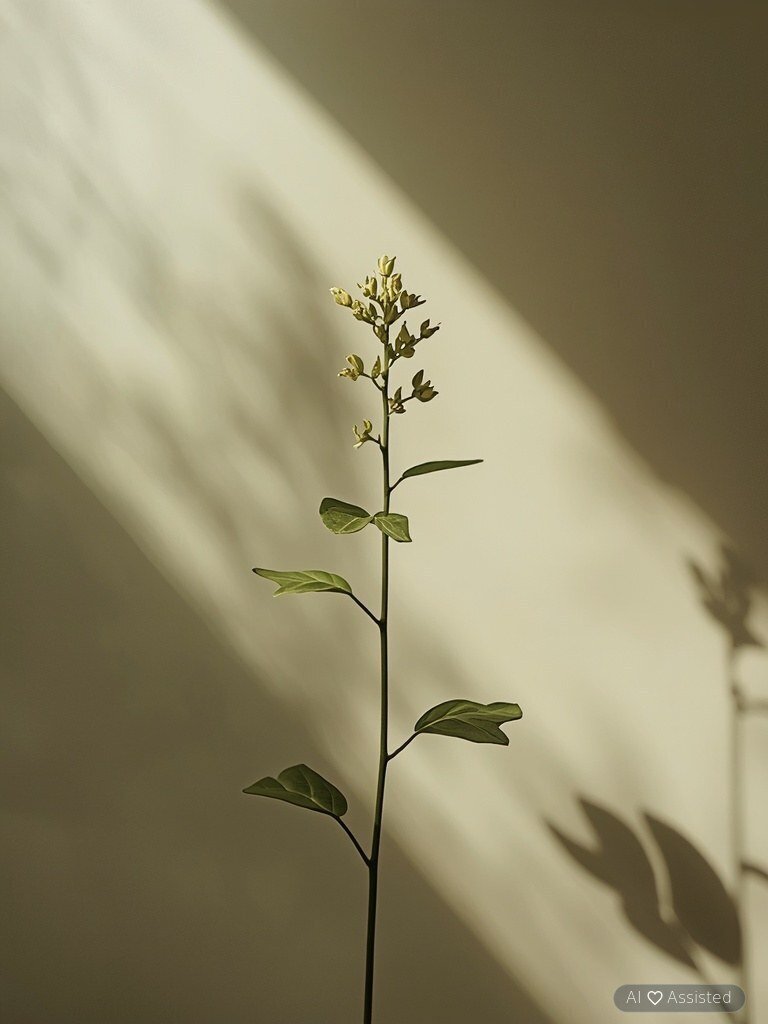
Damiana (Turnera diffusa) is a low-growing woody shrub reaching 1 to 2 meters in height, characterized by small serrated lanceolate leaves bearing fine trichomes and bright yellow blossoms. The aromatic leaves are harvested during peak flowering when secondary metabolite concentrations reach zenith.
Phytochemically, the foliage contains up to 1% essential oils predominantly rich in 1,8-cineole, pinene, and thymol, complemented by antioxidant flavonoids (apigenin, luteolin), arbutin, phytosterols, tannins, and bitter glycosides (damianin), providing its distinctive herbal-spicy aroma.
Health Benefits and Biological Actions of Damiana
Standardized extracts of Damiana exert multifaceted physiological benefits:
- Neuro-modulatory and anxiolytic relief – positive allosteric modulation of GABAergic transmission eases emotional agitation, nervous tension, and chronic stress fatigue;
- Sexual vitality and libido enhancement – enhancement of pelvic hemodynamics and central neurotransmission elevates sexual responsiveness in both sexes;
- Urological and digestive optimization – arbutin delivers gentle antibacterial protection in the urinary bladder, while bitter fractions stimulate digestive enzyme secretion.
Administration Guidelines and Infusion Preparation
The traditional and most widespread preparation of Damiana is a freshly brewed herbal infusion. Steep 1–2 teaspoons (approximately 2–3 g) of dried cut leaves in 250 ml of freshly boiled water for 10–15 minutes covered, then strain thoroughly.
Drink 1–2 cups daily between meals. Owing to its slightly astringent and bitter herbal notes, it pairs pleasantly with raw honey or a lemon slice. Standardized encapsulated dry extracts and liquid tinctures are also utilized in clinical phytotherapy.
Contraindications and Safety Considerations for Damiana
While Damiana boasts an excellent safety profile in healthy adults when used moderately, specific clinical precautions must be observed:
- Pregnancy and lactation – strictly contraindicated due to insufficient embryotoxicity data and potential uterine contraction induction;
- Impaired glucose metabolism – mild hypoglycemic properties necessitate strict glycemic tracking in patients receiving oral hypoglycemics or insulin;
- Pharmacological interactions – concurrent administration with pharmaceutical sedatives, anxiolytics, or hypnotics should be avoided without professional medical supervision.

Mia Hoffmann
✓Diets Premium Expert
Diets Premium team expert. Specializes in nutrition plans, strength sports, and training plans.
View Profile →