Peppers (Genus Capsicum) – Vitamin C Powerhouse, Antioxidant Profile, and Culinary & Therapeutic Applications

Katarzyna Mazur
Katarzyna Mazur ✓
Diets Premium Expert • 23.10.2026
✓
Scientifically reviewed by a clinical dietitian: This article has been peer-reviewed for adherence to IŻŻ, WHO, and PTGiP clinical nutritional standards.
Diets Premium Expert Katarzyna Mazur min read 2 min Scientifically reviewed by a clinical dietitian 23.10.2026
Peppers (Genus Capsicum) – Vitamin C Powerhouse, Antioxidant Profile, and Culinary & Therapeutic Applications

Smart Voice

•

Listen to the article content live

0:00 / 0:00
Key Takeaways

Peppers of the genus Capsicum represent an extraordinarily versatile crop and an unparalleled reservoir of essential micronutrients, antioxidant pigments, and bioactive phytochemicals. Authentic Mediterranean, Hungarian, Balkan, and Latin American cuisines would be virtually unrecognizable without them. Depending on the selected cultivar—ranging from sweet, succulent bell peppers to fiery chilies—they can either delicately elevate the flavor profile of meals or impart bold, thermogenic pungency. Let us examine their botanical diversity, cardioprotective benefits, and optimal culinary preparation techniques.

Meal Plan

Want to apply these guidelines in your daily diet?

Our smart diet generator creates a tailored meal plan in 3 minutes based on the recommendations in this article.

Botanical Diversity and the Color Spectrum of Bell Peppers

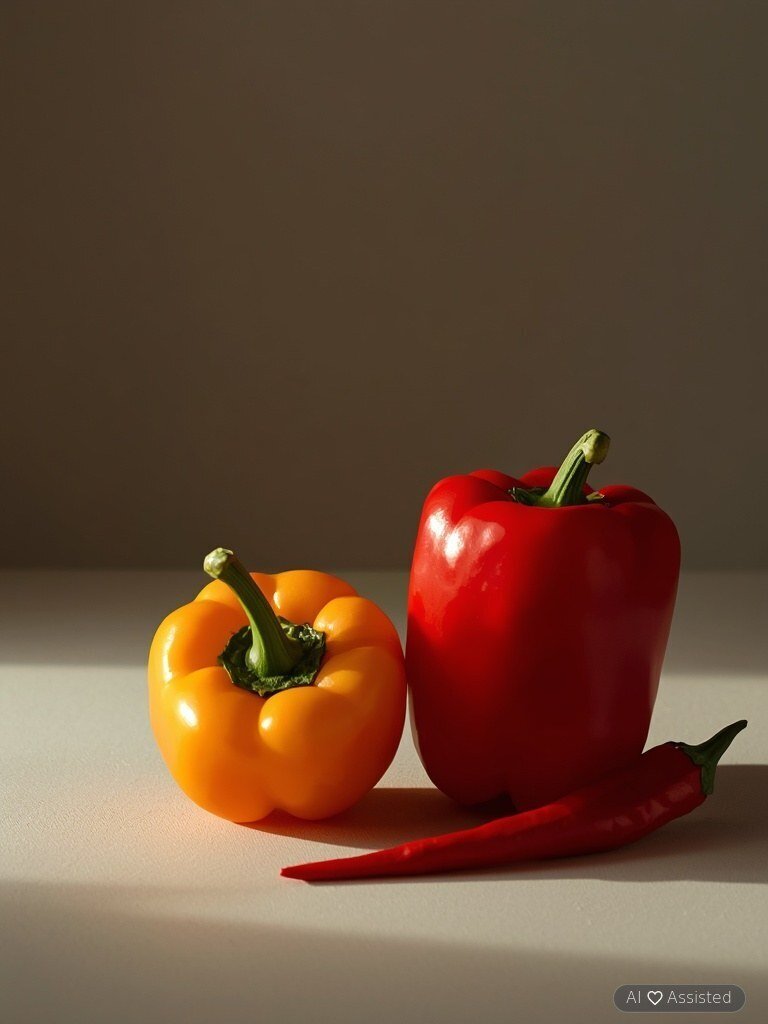
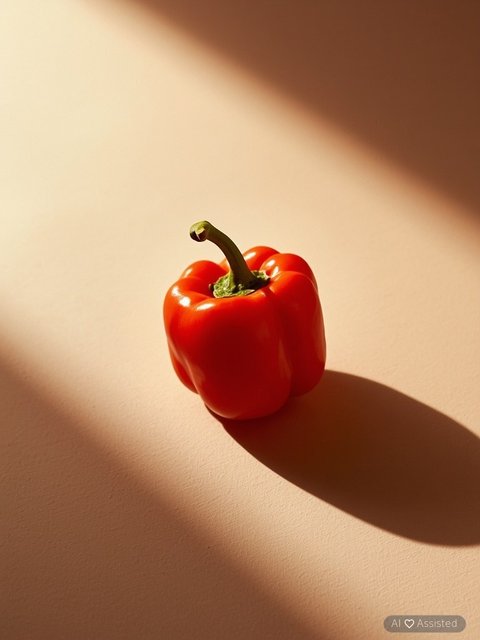
Bell pepper (genus Capsicum), originally native to Central and South America, is one of the most versatile staples in global gastronomy and nutritional science. Although culinarily categorized as a vegetable, botanically it is a fruit—a multi-seeded berry belonging to the nightshade family (Solanaceae). The color spectrum spanning green, yellow, orange, and red peppers reflects stages of physiological ripeness and the predominant plant pigments: chlorophyll, lutein, zeaxanthin, beta-carotene, and capsanthin.

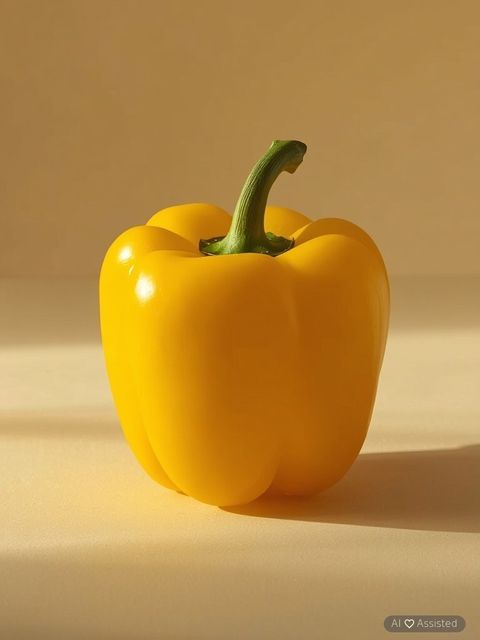
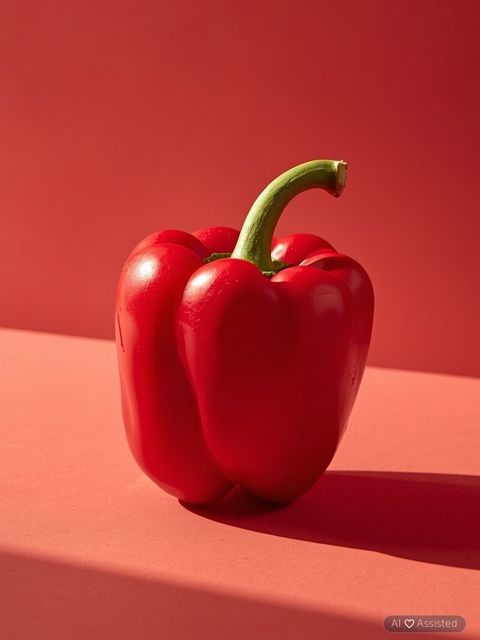
Each ripening stage delivers a distinct sensory and biochemical profile: unripe green bell peppers offer a crisp, slightly herbaceous note alongside abundant chlorophyll and folate; yellow and orange cultivars concentrate macular xanthophylls (lutein and zeaxanthin); and fully mature red bell peppers develop a pronounced fruity sweetness paired with peak concentrations of provitamin A carotenoids and ascorbic acid.

Vitamin C and the Potent Antioxidant Profile

Among the most remarkable assets of bell peppers is their extraordinary concentration of L-ascorbic acid (vitamin C). Ripe red bell pepper provides between 140 and upwards of 200 mg of vitamin C per 100 g of fresh weight—three to four times more than lemons or oranges. Consuming just half of a medium-sized pepper comfortably satisfies the entire daily recommended intake for an adult.

Within the pepper matrix, vitamin C functions synergistically with abundant polyphenols and bioflavonoids—most notably quercetin, luteolin, and rutin—shielding cellular membranes and DNA from oxidative stress, driving endogenous collagen synthesis, reinforcing capillary wall resilience, and markedly enhancing duodenal absorption of non-heme iron from plant-based foods.

Capsaicin and Bioactive Compounds in Disease Prevention

In pungent pepper varieties, capsaicin takes center stage—a lipophilic vanilloid alkaloid responsible for sensory heat and activation of TRPV1 thermoreceptors. Clinical trials confirm that capsaicin exerts potent anti-inflammatory, analgesic, and thermogenic properties, accelerating basal metabolic expenditure, enhancing insulin sensitivity, and promoting lipid oxidation.

Meanwhile, in sweet bell varieties (which lack capsaicin due to a recessive pun1 gene), non-pungent capsinoids—such as capsiate and dihydrocapsiate—occur alongside dense concentrations of carotenoids (capsanthin, lycopene, beta-carotene, and lutein). These compounds exhibit clinically substantiated cardioprotective and neuroprotective effects while filtering high-energy blue light in the retina to guard against age-related macular degeneration (AMD).

Impact on Cardiovascular Health, Vision, and Metabolism

Regular dietary inclusion of bell peppers confers multidirectional metabolic and cardiovascular dividends. A generous potassium level (approx. 210 mg/100 g) balanced against negligible sodium (3–4 mg/100 g) supports physiological blood pressure regulation, while vitamin B6 and folate facilitate homocysteine remethylation, protecting the vascular endothelium against atherogenesis.

Concurrently, dietary fiber (approx. 2.0 g/100 g) moderates postprandial glucose surges, fuels healthy gut motility, and nurtures beneficial colonic microbiota. Crucially, bell peppers feature a very low glycemic index (GI = 15) alongside minimal caloric density (25–31 kcal/100 g), making them an ideal high-volume staple for weight management and medical nutrition therapies in insulin resistance and type 2 diabetes.

Culinary Techniques for Preserving Nutrients

To maximize the health-promoting potential of bell peppers, combining both raw and gently cooked preparations is ideal. Because vitamin C and folate are water-soluble and heat-labile, consuming peppers raw (in crisp salads, slaws, or sandwiches) or briefly steamed al dente preserves maximal ascorbic acid concentrations.

Conversely, the bioavailability of lipophilic carotenoids (capsanthin, lycopene, and beta-carotene) and vitamin E increases up to threefold following gentle thermal softening (such as roasting or braising) in the presence of healthy culinary fats like extra virgin olive oil, which promote micellar incorporation and intestinal absorption. For individuals with sensitive digestion, blistering roasted peppers and peeling off the thin outer skin renders the flesh exceptionally tender and easy to digest.

Katarzyna Mazur

Katarzyna Mazur

✓

Diets Premium Expert

Diets Premium team expert. Specializes in nutrition plans, strength sports, and training plans.

View Profile →
Recommended articles in this category

Related Articles

Discover similar publications and expert insights.

Peperoni Peppers – Botanical Origin, Nutritional Composition, Health Properties, and Culinary Uses
Food & Ingredients
Peperoni Peppers – Botanical Origin, Nutritional Composition, Health Properties, and Culinary Uses
⏱ 3 min czytania 📚 Food & Ingredients
#Nutritional Composition #Nutritional Properties
Bell Pepper: Nutritional Characteristics, Health Benefits, and Chromatic Diversity Across Cultivars
Liver Detox
Bell Pepper: Nutritional Characteristics, Health Benefits, and Chromatic Diversity Across Cultivars
⏱ 3 min czytania 📚 Liver Detox
#Nutritional Ingredients #Health Benefits
Chuska Hot Pepper (Capsicum annuum) – Health Properties, Capsaicin Pharmacology, and Anticancer Potential
Food & Ingredients
Chuska Hot Pepper (Capsicum annuum) – Health Properties, Capsaicin Pharmacology, and Anticancer Potential
⏱ 3 min czytania 📚 Food & Ingredients
#Versatile Ingredient #Bioactive Compounds
Orange-Yellow Sweet Bell Pepper – Health Benefits, Lutein, Caloric Value, and Culinary Uses
Food & Ingredients
Orange-Yellow Sweet Bell Pepper – Health Benefits, Lutein, Caloric Value, and Culinary Uses
⏱ 2 min czytania 📚 Food & Ingredients
#Cardiovascular Health #Bioactive Compounds
Marjoram – Traditional Therapeutic Applications: Natural Relief for Cough, Rhinitis, and Sinusitis
Functional Foods
Marjoram – Traditional Therapeutic Applications: Natural Relief for Cough, Rhinitis, and Sinusitis
⏱ 3 min czytania 📚 Functional Foods
#Traditional Medicine #Mediterranean
Pulverized sweet pepper
Bell Peppers
Pulverized sweet pepper
⏱ 2 min czytania
#Bell Peppers #Bell Pepper
Pattypan Squash (Patison) – Health Benefits, Nutritional Profile, and Culinary Applications
Food & Ingredients
Pattypan Squash (Patison) – Health Benefits, Nutritional Profile, and Culinary Applications
⏱ 3 min czytania 📚 Food & Ingredients
#Nutritional Composition #Nutritional Ingredients
Cat’s Claw – Features, Uses, Cost, Reviews
Traditional Medicine
Cat’s Claw – Features, Uses, Cost, Reviews
⏱ 4 min czytania
#Traditional Medicine #Anti-inflammatory
Scutellaria baicalensis – characteristics, application, costs, method of use
Traditional Medicine
Scutellaria baicalensis – characteristics, application, costs, method of use
⏱ 5 min czytania
#Traditional Medicine #Anti-inflammatory
Traditional Plum Butter (Powidła): Artisanal Preparation, Nutritional Profile, and Culinary Uses
Sugar Content
Traditional Plum Butter (Powidła): Artisanal Preparation, Nutritional Profile, and Culinary Uses
⏱ 3 min czytania
#Sugar Content #Simple Sugar
Yellow Bell Pepper – Health Benefits, Lutein and Zeaxanthin, Nutritional Value, and Vitamin Profile
Food & Ingredients
Yellow Bell Pepper – Health Benefits, Lutein and Zeaxanthin, Nutritional Value, and Vitamin Profile
⏱ 3 min czytania 📚 Food & Ingredients
#Nutritional Composition #Nutritional Ingredients
White Bell Pepper – Unique Characteristics, Vitamin Profile, and Nutritional Value in the Modern Diet
Food & Ingredients
White Bell Pepper – Unique Characteristics, Vitamin Profile, and Nutritional Value in the Modern Diet
⏱ 2 min czytania 📚 Food & Ingredients
#Culinary Ingredient #Nutritional Value
Red Bell Pepper – Nutritional Composition, Bioactive Compounds, Caloric Profile, and Culinary Benefits
Food & Ingredients
Red Bell Pepper – Nutritional Composition, Bioactive Compounds, Caloric Profile, and Culinary Benefits
⏱ 2 min czytania 📚 Food & Ingredients
#Nutritional Composition #Bioactive Compounds
Green Bell Pepper – Health Benefits, Vitamins, Caloric Value, and Culinary Uses
Food & Ingredients
Green Bell Pepper – Health Benefits, Vitamins, Caloric Value, and Culinary Uses
⏱ 3 min czytania 📚 Food & Ingredients
#Bell Peppers #Bell Pepper
Optimal Additions to Fruit and Vegetable Smoothies – Maximizing Nutritional Value and Nutrient Density
Dietary Recommendations
Optimal Additions to Fruit and Vegetable Smoothies – Maximizing Nutritional Value and Nutrient Density
⏱ 4 min czytania
#Dietary Recommendations #Plant-Based Foods
Red onions
Antioxidant
Red onions
⏱ 3 min czytania
#Antioxidant #Vegetable
Sources of sulphur and their significance for health
Preservative
Sources of sulphur and their significance for health
⏱ 4 min czytania
#Preservative #Antioxidant
Damiana (Turnera diffusa) – Medicinal Properties, Methods of Application, and Therapeutic Precautions
Food & Ingredients
Damiana (Turnera diffusa) – Medicinal Properties, Methods of Application, and Therapeutic Precautions
⏱ 3 min czytania 📚 Food & Ingredients
#Bioactive Compounds #Traditional Medicine
Prickly Pear (Opuntia ficus-indica): Botanical Profile, Health Benefits, and Nutritional Applications
Food & Ingredients
Prickly Pear (Opuntia ficus-indica): Botanical Profile, Health Benefits, and Nutritional Applications
⏱ 5 min czytania 📚 Food & Ingredients
#Traditional Medicine #Bioactive Compounds
What distinguishes matcha from conventional green teas? Key attributes, preparation techniques, and procurement sources
Food & Ingredients
What distinguishes matcha from conventional green teas? Key attributes, preparation techniques, and procurement sources
⏱ 4 min czytania 📚 Food & Ingredients
#Antioxidants #Traditional
Properties and Uses of Alternatives for Traditional Potatoes
Sweet Potatoes
Properties and Uses of Alternatives for Traditional Potatoes
⏱ 5 min czytania
#Sweet Potatoes #Obesity
Can Fruit and Vegetable Snacks Be a Healthy Alternative to Traditional Chips?
Traditional
Can Fruit and Vegetable Snacks Be a Healthy Alternative to Traditional Chips?
⏱ 3 min czytania
#Traditional #Vegetable
Bioavailability of Mineral Constituents in Food Products
Mineral
Bioavailability of Mineral Constituents in Food Products
⏱ 4 min czytania
#Mineral #Macronutrients
Mastering sous vide precision cooking: scientific principles, equipment, thermal parameters, and proven home recipes
Nutritional Value
Mastering sous vide precision cooking: scientific principles, equipment, thermal parameters, and proven home recipes
⏱ 8 min czytania
#Nutritional Value #Micronutrients
Dried tomatoes – in oil or without flood? How to prepare dried tomatoes
Dried Tomatoes
Dried tomatoes – in oil or without flood? How to prepare dried tomatoes
⏱ 7 min czytania
#Dried Tomatoes #Sun-dried Tomatoes
Optimal thermal processing techniques for vegetables to preserve nutritional value
Nutritional Value
Optimal thermal processing techniques for vegetables to preserve nutritional value
⏱ 3 min czytania
#Nutritional Value #Antioxidant
Applications and health benefits of Plantago ovata (psyllium) seeds: dietary fiber profile, gastrointestinal wellness, and culinary integration
Health Benefits
Applications and health benefits of Plantago ovata (psyllium) seeds: dietary fiber profile, gastrointestinal wellness, and culinary integration
⏱ 3 min czytania
#Health Benefits #Traditional Remedies
Melons: an exploration of cultivars, distinctive traits, nutrient profile, and culinary applications
Food & Ingredients
Melons: an exploration of cultivars, distinctive traits, nutrient profile, and culinary applications
⏱ 4 min czytania 📚 Food & Ingredients
#Nutritional Values #Nutrition Facts
Tahini Paste Explained: Characteristics, Pricing, and Where to Buy. How to Make Sesame Paste and Its Culinary Uses
Food & Ingredients
Tahini Paste Explained: Characteristics, Pricing, and Where to Buy. How to Make Sesame Paste and Its Culinary Uses
⏱ 4 min czytania 📚 Food & Ingredients
#Culinary Traditions #Culinary Uses
The utilization of castor oil throughout pregnancy and as a labor induction method: an evidence-based assessment of safety and efficacy from historical to contemporary perspectives
Pregnancy & Motherhood
The utilization of castor oil throughout pregnancy and as a labor induction method: an evidence-based assessment of safety and efficacy from historical to contemporary perspectives
⏱ 3 min czytania 📚 Pregnancy & Motherhood
#Traditional #Nutrient Supplementation In Pregnancy

Share