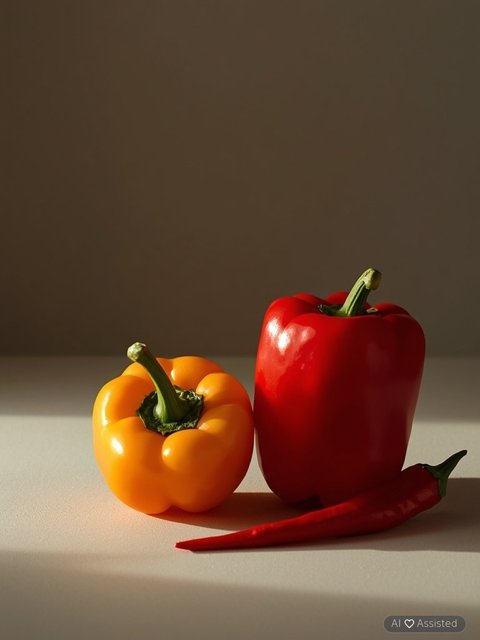
Bell Pepper: Nutritional Characteristics, Health Benefits, and Chromatic Diversity Across Cultivars

| Diets Premium Expert Tim Klein | min read 3 min | Scientifically reviewed by a clinical dietitian 23.10.2026 |

Smart Voice
•Listen to the article content live
Whether stuffed, roasted, braised, or enjoyed raw, the bell pepper captivates in every culinary preparation not only through its vibrant flavor but also through its brilliant hues, elevating the visual appeal of any meal. This versatile nightshade vegetable combines an exceptional concentration of bioactive phytonutrients with very low caloric density.
Its diverse color varieties—ranging from crisp green through sunny yellow and orange to deep crimson—differ in their specific carotenoid profiles and natural sweetness. Year-round availability makes bell pepper a cornerstone of everyday anti-inflammatory and cardioprotective nutrition.
Want to apply these guidelines in your daily diet?
Our smart diet generator creates a tailored meal plan in 3 minutes based on the recommendations in this article.
Botanical Origins and Diversity of Bell Pepper Varieties
Capsicum (Capsicum annuum L.) is a prized member of the nightshade family (Solanaceae), widely recognized by clinical nutritionists as one of the most nutrient-dense vegetables available. Native to Central and South America, it was introduced to Europe in the 16th century and rapidly became the culinary emblem of Hungarian, Mediterranean, and Balkan cuisines. Dishes such as traditional Hungarian goulash and vegetable lecsó owe their signature aroma and color to fresh and dried peppers.
Depending on the cultivar and stage of physiological ripeness, peppers take on blocky, conical, spherical, or elongated shapes and display a spectrum of colors from green and ivory to yellow, orange, red, and deep purple. Cultivated varieties are broadly divided into sweet bell peppers and pungent chili peppers (such as jalapeño, cayenne, and habanero). Field-grown peppers harvested at peak autumn maturity offer the highest concentration of vitamins and aromatic compounds.
Health-Promoting Properties of Sweet and Hot Peppers – Capsaicin and Polyphenols
Pungent pepper varieties owe their characteristic heat to capsaicin, a bioactive alkaloid that selectively activates TRPV1 vanilloid receptors. Capsaicin exhibits thermogenic activity, stimulates lipid oxidation, enhances peripheral microcirculation, and demonstrates analgesic and antimicrobial properties. However, individuals with gastric mucosal erosions, peptic ulcer disease, or severe gastroesophageal reflux should moderate their intake of hot chilies and favor sweet bell peppers.
Sweet bell peppers are exceptionally rich in flavonoids (quercetin and luteolin), phenolic acids, and carotenoids (capsanthin, beta-carotene, and lutein). These antioxidants neutralize reactive oxygen species, protect dermal collagen and elastin against photoaging, strengthen capillary walls, and support healthy blood pressure regulation. Regular consumption of bell peppers bolsters immune defense and safeguards macular health.
Vitamin Profile of Bell Peppers – Vitamin C, Beta-Carotene, Vitamin E, and Folate
Bell pepper ranks among the richest dietary sources of vitamin C in temperate-climate produce—100 g of red bell pepper delivers 125–150 mg of ascorbic acid (more than three times the amount found in lemons). Notably, bell pepper flesh exhibits very low ascorbate oxidase activity, meaning its vitamin C remains significantly more stable during chopping and brief culinary heating than in many other vegetables.
Red and orange varieties are also powerhouses of beta-carotene (provitamin A) and vitamin E, which work synergistically to protect cell membranes and respiratory epithelia. In addition, the presence of folate (vitamin B9) and vitamin B6 supports normal homocysteine metabolism and fetal neural tube development, making bell peppers an essential component of maternal nutrition.
Nutritional Value, Mineral Content, and Caloric Density of Bell Peppers
Alongside its impressive vitamin profile, bell pepper provides key essential minerals: potassium (approx. 210 mg / 100 g, supporting fluid-electrolyte balance and healthy blood pressure), calcium, magnesium, iron, and copper. Crucially, the high endogenous vitamin C content in bell pepper substantially enhances the intestinal absorption of non-heme iron from plant-based meals.
In terms of macronutrients, 100 g of fresh red bell pepper supplies approximately 28–31 kcal, comprising 6.0–6.6 g of carbohydrates, 1.0–1.3 g of protein, just 0.3–0.5 g of fat, and 2.0–3.2 g of dietary fiber. With its low caloric density, high water content (around 90%), and soluble pectins, bell pepper promotes satiety, regulates bowel motility, and serves as a staple in weight-management diets.
Tags

mgr Tim Klein
✓Diets Premium Expert
Diets Premium team expert. Specializes in nutrition plans, strength sports, and training plans.
View Profile →