Unripe olives from the olive tree – characteristics and culinary applications

| Diets Premium Expert Tomasz Jankowski | min read 2 min | Scientifically reviewed by a clinical dietitian 23.10.2026 |
Smart Voice
•Listen to the article content live
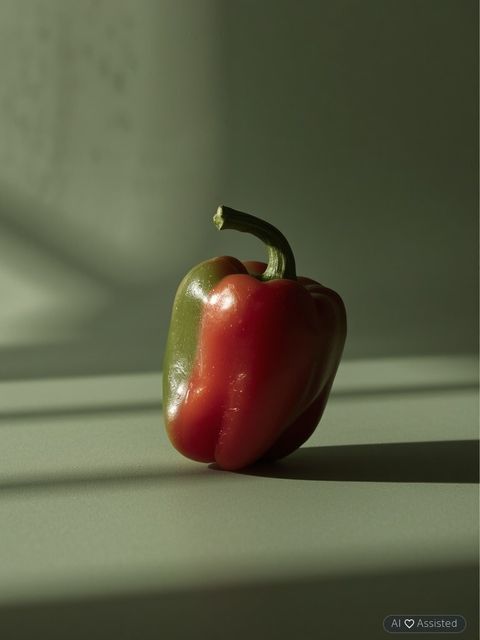
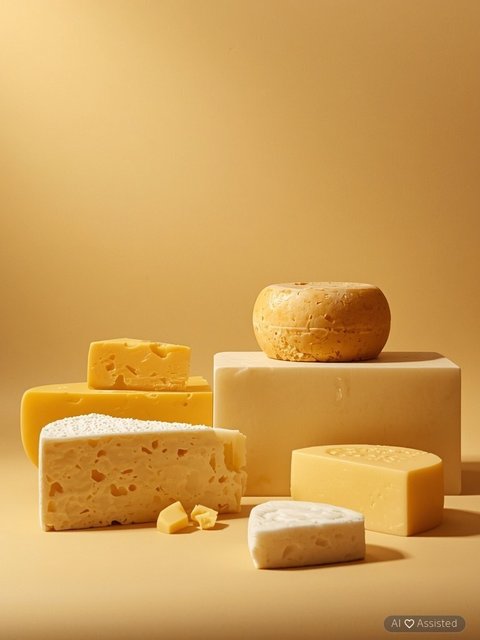
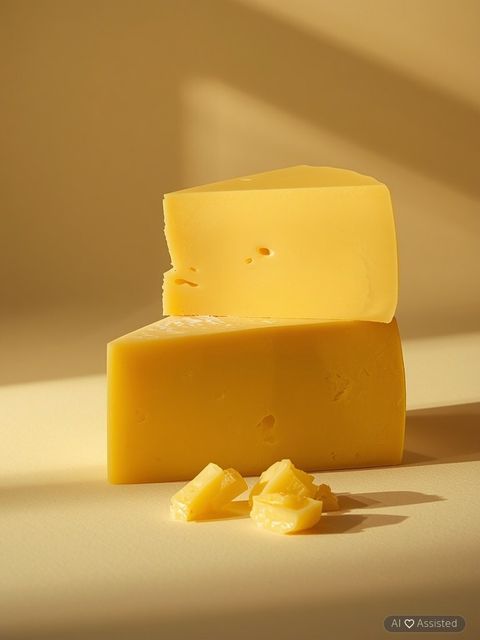
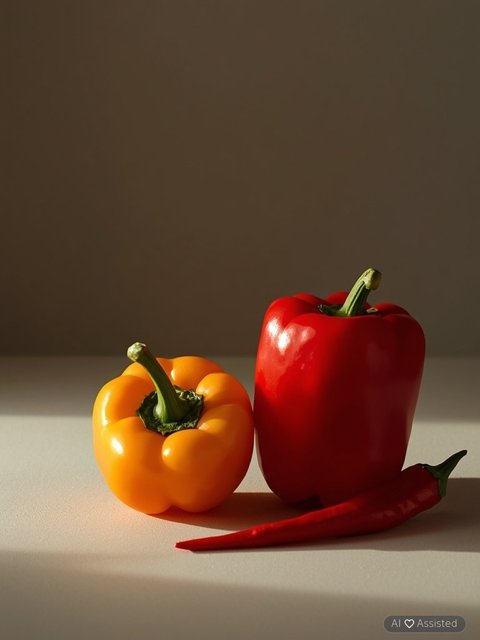
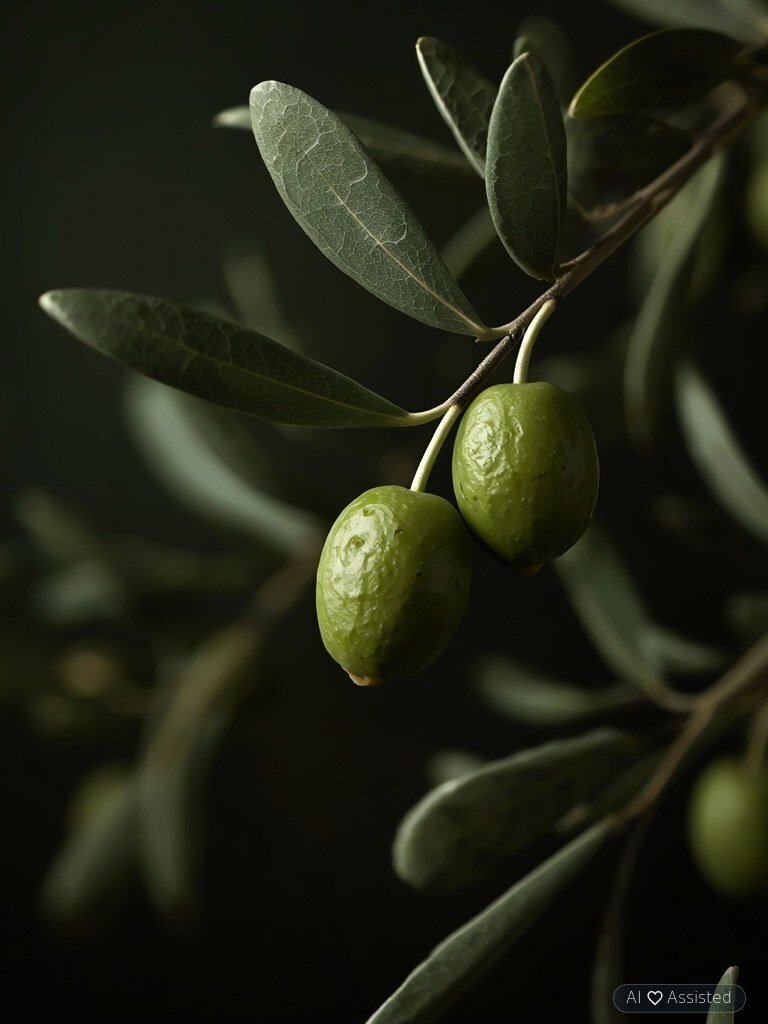
The unripe fruits of the olive tree, harvested from a slow-maturing species that does not yield its first crop until a full decade has passed, are distinguished by their bold, pronounced flavor profile. Their coloration is intrinsically linked to the stage of maturation: green olives are picked in early spring while still unripe, whereas darker varieties are collected later in the vegetative cycle. Owing to their firmer texture and more robust taste, unripe olives are more commonly selected for stuffing—with ingredients such as blue cheese, garlic, sun-dried tomatoes, chili peppers, or bell peppers—than their fully mature, black counterparts.
Want to apply these guidelines in your daily diet?
Our smart diet generator creates a tailored meal plan in 3 minutes based on the recommendations in this article.
Nutritional profile of green olives – vitamins and minerals
Green olives are harvested prior to full phenolic ripening, endowing them with a firmer texture, higher antioxidant polyphenol concentrations (such as oleuropein), and a characteristically crisp, tangy flavor. They are exceptionally rich in lipophilic vitamins, providing generous amounts of vitamin E (alpha-tocopherol), provitamin A, and crucial electrolytes including potassium, magnesium, and calcium. Oleuropein acts as a powerful free radical scavenger, supporting vascular elasticity and protecting low-density lipoproteins (LDL) from atherogenic oxidation.
Caloric density and macronutrient breakdown of green olives
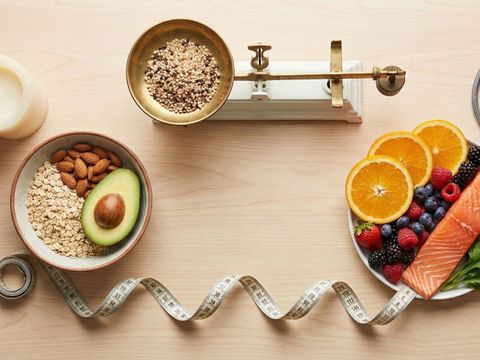
The energetic value of green olives stands at approximately 140–145 kcal per 100 grams, meaning a single medium olive (weighing roughly 4 grams) contributes a mere 5 to 6 calories. A satisfying culinary serving of 10 olives provides only 55–60 kcal, making them an outstanding savory snack for weight management. Per 100 grams, the macronutrient breakdown consists of approximately 15.3 g of healthy lipids (over 75% of which is heart-healthy monounsaturated oleic acid), 3.3 g of dietary fiber, 1.4 g of plant protein, and only 1.7 g of net carbohydrates. Possessing a negligible glycemic index, green olives promote prolonged satiety and glucose equilibrium in low-carb, keto, and Mediterranean diets.
Culinary applications and Mediterranean preparation
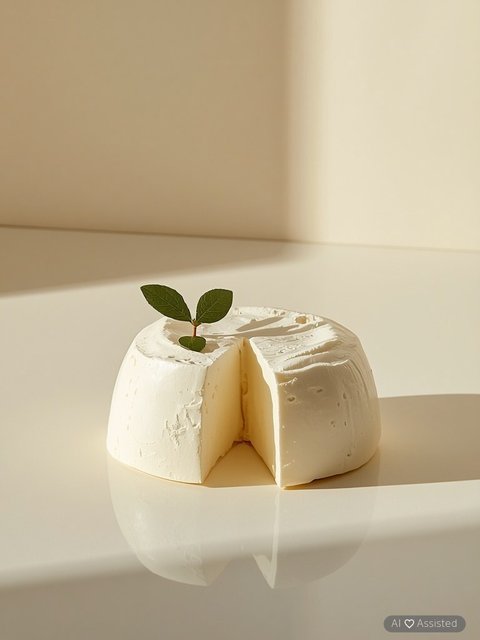
In Mediterranean gastronomy, whole unpitted green olives offer superior textural firmness and juiciness compared to industrially pitted varieties. They shine as antipasti marinated in extra virgin olive oil infused with garlic, lemon zest, fennel seeds, and rosemary. Furthermore, green olives pair harmoniously with sheep's milk feta, goat cheeses, roasted poultry, Mediterranean sea bass, and crisp tapenades, contributing both piquant acidity and beneficial dietary polyphenols.
Tags

mgr Tomasz Jankowski
✓Diets Premium Expert
Diets Premium team expert. Specializes in nutrition plans, strength sports, and training plans.
View Profile →