Why sun-dried tomatoes outperform fresh: The scientifically validated advantages of concentrated lycopene

| Diets Premium Expert Olivia Davis | min read 1 min | Scientifically reviewed by a clinical dietitian 23.10.2026 |
Smart Voice
•Listen to the article content live
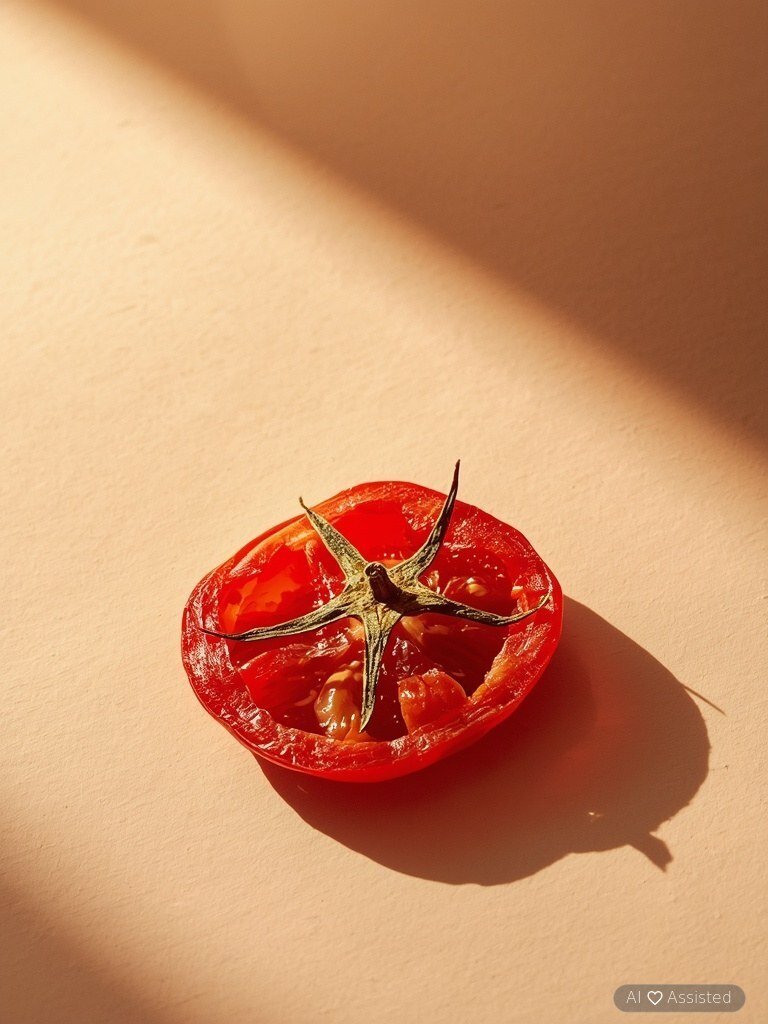
While nutritional orthodoxy generally privileges raw fresh vegetables, tomatoes represent an extraordinary exception to this principle. The dehydration process and controlled thermal exposure dramatically concentrate and enhance the bioavailability of lycopene – nature's most formidable carotenoid antioxidant. This article explores lycopene trans-to-cis isomerization, evaluates the exceptional potassium and iron density in sun-dried tomatoes, and provides guidance for optimal culinary utilization.
Want to apply these guidelines in your daily diet?
Our smart diet generator creates a tailored meal plan in 3 minutes based on the recommendations in this article.
The lycopene phenomenon: Why dehydrated tomatoes surpass fresh produce in antioxidant power
Lycopene is an acyclic red carotenoid chromophore boasting extraordinary antioxidant potency, quenching singlet oxygen twice as effectively as beta-carotene and tenfold higher than alpha-tocopherol. In fresh raw tomatoes, lycopene molecules remain tightly bound within crystalline plant cell matrices primarily in the all-trans configuration, restricting intestinal mucosal absorption. Solar desiccation and mild heat degrade the cellular cellulosic walls, catalyzing structural isomerization into cis-isomers that exhibit vastly superior micellar incorporation. Consequently, 100 grams of sun-dried tomatoes deliver 4 to 6 times more bioavailable lycopene than an equivalent weight of raw fruit.
Lipid synergy: Extra virgin olive oil as the key to optimal carotenoid absorption
Lycopene is an intrinsically lipophilic compound that solubilizes exclusively in lipid environments. Ingesting raw tomatoes devoid of accompanying dietary fat results in the excretion of the vast majority of carotenoids unabsorbed. The classic Mediterranean technique of marinating sun-dried tomatoes in extra virgin olive oil infused with culinary herbs (basil, oregano) creates an optimal biochemical vehicle: monounsaturated fatty acids facilitate mixed micelle formation, dramatically elevating enterocyte uptake. Consistent dietary intake of olive-oil-bathed tomatoes exhibits robust epidemiologically validated protection against prostate adenocarcinoma, coronary atherosclerosis, and cutaneous UV photoaging.
Mineral concentration: Exceptional potassium, magnesium, and non-heme iron density
Evaporating moisture during dehydration (which comprises 94-95% of fresh tomato weight) triggers dramatic densification of essential minerals and structural fiber. Sun-dried tomatoes rank among the most abundant botanical sources of potassium, yielding up to 3,400 mg per 100g, fulfilling nearly 100% of adult daily requirements and fostering blood pressure homeostasis. They concurrently supply substantial quantities of neuroprotective magnesium, non-heme iron (approximately 9 mg per 100g, making them a premier choice for plant-based diets), and over 12g of dietary fiber that fuels healthy intestinal peristalsis.
Purchasing criteria, quality assessment, and culinary versatility
When acquiring sun-dried tomatoes, careful inspection of the ingredient statement is warranted. The most wholesome options include dry-packed dehydrated halves or those preserved in extra virgin olive oil, devoid of chemical sulfur dioxide (preservative E220) and exorbitant sodium. Culinary versatility is unparalleled, driven by naturally occurring free glutamates that impart profound savory umami richness to dishes. They elevate whole-grain pastas, ancient grains, artisanal spreads (such as sun-dried tomato hummus), crisp salads, and roasted poultry or fish.

Olivia Davis
✓Diets Premium Expert
Diets Premium team expert. Specializes in nutrition plans, strength sports, and training plans.
View Profile →