The Use of Lemon Balm During Pregnancy and for Infants and Older Children – Indications, Dosage, and Precautions

Lena Bauer
✓
Diets Premium Expert • 24.09.2026
✓
Scientifically reviewed by a clinical dietitian:
This article has been peer-reviewed for adherence to IŻŻ, WHO, and PTGiP clinical nutritional standards.
| Diets Premium Expert Lena Bauer | min read 3 min | Scientifically reviewed by a clinical dietitian 24.09.2026 |
Smart Voice
•Listen to the article content live
0:00
/
0:00
Key Takeaways
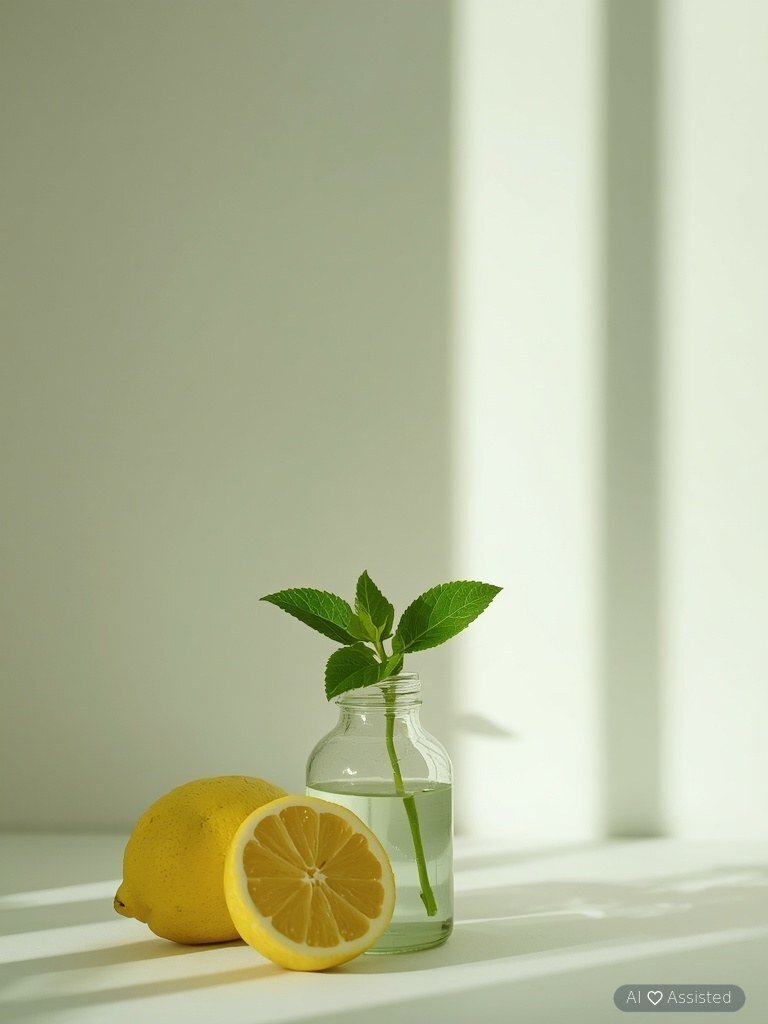
Lemon balm (*Melissa officinalis*), abundant in valuable phytochemical compounds—including flavonoids, phenolic acids, and essential oils—has been employed for centuries in traditional medicine as a calming agent and sleep aid. Its tender leaves, whether fresh or dried, can be prepared as fragrant infusions that not only promote relaxation but also alleviate nervous tension. Owing to its gentle yet effective properties, lemon balm is sometimes recommended during specific life stages, such as pregnancy or early childhood, though strict adherence to safety guidelines remains essential.
Meal Plan
Want to apply these guidelines in your daily diet?
Our smart diet generator creates a tailored meal plan in 3 minutes based on the recommendations in this article.
The action of the melissa
Melisa is a well-known antidote to stress, nervousness, and insomnia. Melisa serves as a soothing, relaxing, and anxiety-reducing agent. It also supports proper digestion and digestive functioning. Melissa also has a high antioxidant potential due to its vitamin C and flavonoid (campferol) content. Campferol also has antibacterial and anti-inflammatory effects.
Melissa is pregnant and breastfeeding
Women who are pregnant or breastfeeding often wonder what herbs they can consume at this particular time of their lives to keep their baby safe. The low caffeine content of melissa tea makes drinking the stew and eating the fresh melissa leaves safe for the baby and women's health. According to American Pregnant, drinking melisa tea is probably safe and has a calming effect, helping to relieve irritability, insomnia, and anxiety.
Melissa for babies and children
A diluted infusion of lemon balm (Melissa officinalis) is traditionally utilized for infants and young children to ease digestive colic, flatulence, and sleep restlessness. However, administering any herbal remedy to an infant mandates prior consultation with a pediatrician to determine appropriate dosage and rule out underlying conditions. For older children, mild lemon balm tea provides gentle relaxation after stimulating days without sedation.

Lena Bauer
✓Diets Premium Expert
Diets Premium team expert. Specializes in nutrition plans, strength sports, and training plans.
View Profile →