Kohlrabi – A Versatile Superfood, Best Enjoyed Fresh: Health Benefits, Vitamin C, and Culinary Uses

| Diets Premium Expert Mateusz Pawlak | min read 1 min | Scientifically reviewed by a clinical dietitian 23.10.2026 |
Smart Voice
•Listen to the article content live
Want to apply these guidelines in your daily diet?
Our smart diet generator creates a tailored meal plan in 3 minutes based on the recommendations in this article.
Kohlrabi: Botanical Morphology, Nutritional Composition, and Caloric Profile
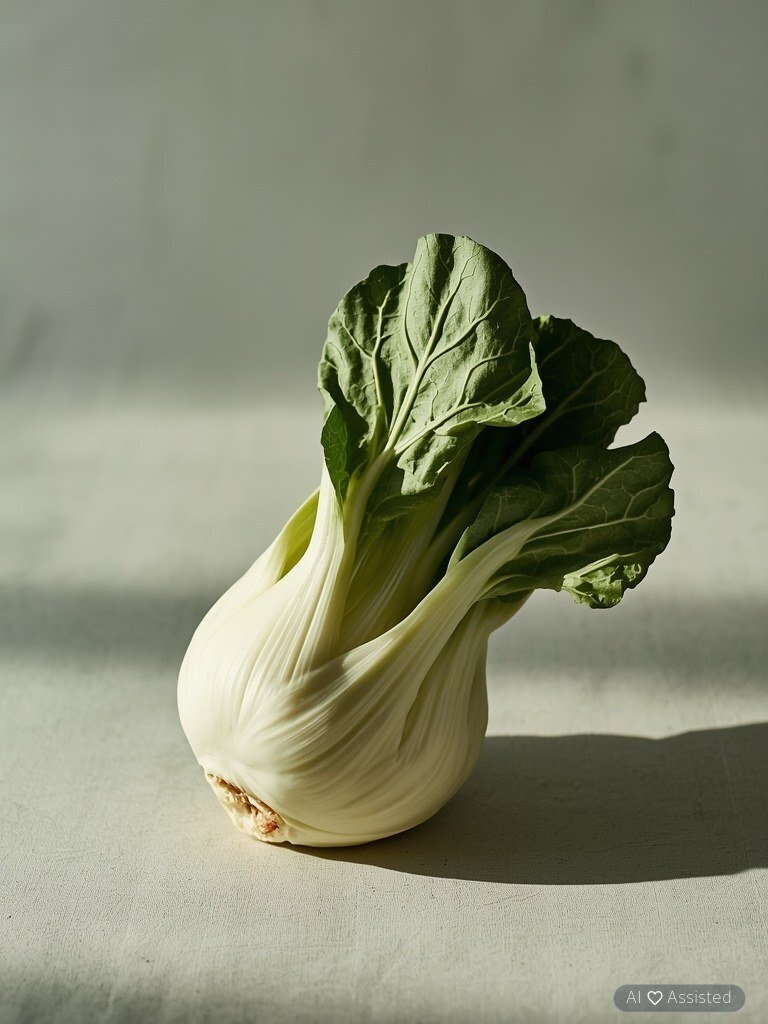
Kohlrabi (*Brassica oleracea* var. *gongylodes*) is morphologically neither a root nor a botanical tuber, but rather the dramatically swollen, fleshy spherical stem growing immediately above the soil line. Composed of more than 90% structured biological water by weight, a 100-gram edible portion yields a meager 27 kilocalories, making it an exceptional asset in metabolic and weight-management regimens. Kohlrabi boasts an impressively low glycemic index (GI = 20) and a minimal glycemic load. Despite its low caloric density, it provides substantial reserves of bioavailable phosphorus, calcium, non-heme iron, and magnesium, functioning as an organic remineralizing agent following physical exertion.
Glucosinolates, Sulforaphane, and Vitamin C: Chemopreventive and Antioxidant Shield
As an esteemed representative of the Brassicaceae family, kohlrabi is replete with sulfur-containing glucosinolates, primarily glucoraphanin and glucobrassicin. Upon mechanical tissue disruption (chewing, shredding, or slicing), the endogenous plant enzyme myrosinase hydrolyzes these glycosides into bioactive isothiocyanates, notably sulforaphane and indole-3-carbinol. These electrophilic phytochemicals exhibit robust chemopreventive properties by upregulating phase II hepatic detoxification enzymes, triggering cell cycle arrest in malignant lineages, and neutralizing mutagens. Furthermore, 100 grams of fresh kohlrabi delivers approximately 62 mg of L-ascorbic acid (exceeding 75% of the daily adult requirement), safeguarding cellular membranes against oxidative stress.
Gastrointestinal Motility, Microbiome Support, and Glucose Homeostasis
A 100-gram portion of kohlrabi yields roughly 3. 6 grams of balanced dietary fiber, spanning both insoluble structural polymers (cellulose, lignins) and soluble polysaccharides (pectins and hemicelluloses). The insoluble fraction mechanically stimulates colonic peristalsis, accelerating transit time and preventing functional constipation. Meanwhile, the soluble fibers serve as premium fermentable prebiotics for beneficial gut microbiota, driving the synthesis of short-chain fatty acids (particularly butyrate), which nourish colonocytes and fortify mucosal barrier defenses. This fiber matrix also moderates intestinal glucose absorption, preserving euglycemia in individuals with insulin resistance.
Why Kohlrabi Is Most Valuable in Its Fresh, Raw State: Bioavailability Analysis
Thermal processing (traditional boiling, aggressive blanching, or frying) constitutes the primary mechanism driving the degradation of kohlrabi's finest therapeutic compounds. L-ascorbic acid, being thermolabile and hydrosoluble, breaks down rapidly at temperatures exceeding 60°C, with up to 50–70% leaching into discarded cooking water. Crucially, the sensitive enzyme myrosinase is completely denatured by heat, permanently impeding the conversion of glucosinolates into bioactive sulforaphane. Consuming kohlrabi raw—crisp, succulent, and freshly peeled—preserves maximal enzymatic potency, full vitamin retention, and peak phytochemical bioavailability.
Culinary Utilization of Kohlrabi Bulbs and Edible Leaves: Recipes and Salads
A common culinary blunder is discarding kohlrabi greens. The young, tender foliage actually harbors twice the concentration of vitamin C and up to three times the calcium and iron found within the bulb itself! These nutrient-dense greens can be finely shredded for raw slaws, blended into emerald vitality smoothies, or sautéed like baby spinach. The crisp bulb itself excels sliced into matchsticks as a wholesome alternative to chips, pairing effortlessly with artisan hummus or Greek yogurt herb dips. For a quintessential crunchy slaw, co-grate raw kohlrabi with crisp apples and sweet carrots, tossing with freshly chopped dill, lemon juice, and cold-pressed rapeseed oil.

mgr Mateusz Pawlak
✓Diets Premium Expert
Diets Premium team expert. Specializes in nutrition plans, strength sports, and training plans.
View Profile →