Spring’s early harvests demystified: A thorough guide to cultivating, fertilizing, preserving, and the principles of safe consumption for the season’s first vegetable offerings

| Diets Premium Expert Mateusz Pawlak | min read 5 min | Scientifically reviewed by a clinical dietitian 23.10.2026 |
Smart Voice
•Listen to the article content live
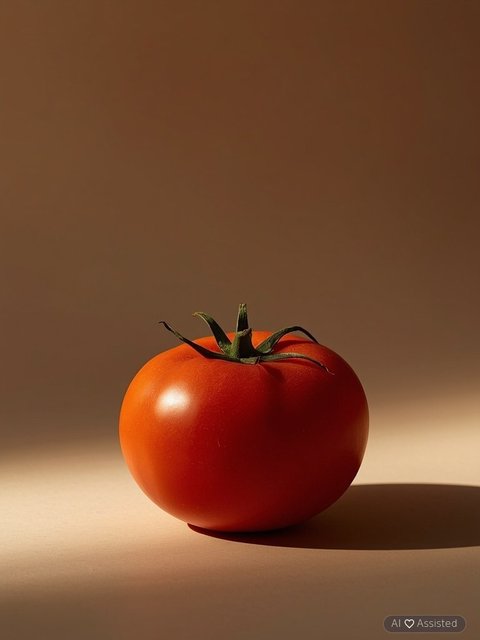
As spring unfolds and nature reawakens from its prolonged winter dormancy, grocery shelves, market stalls, and local farm shops gradually brim with the season’s first harvest of crisp, vibrant vegetables. These tender young crops—commonly referred to as novelties or early produce—supplant the nutrient-depleted, long-stored vegetables from the previous year’s yield. Among them are leafy salads bursting with deep green hues, peppery radishes with their vivid crimson skins, the first sun-ripened tomatoes exuding summer’s promise, delicate chives with their pronounced aroma, and a myriad of other varieties making their long-awaited return to our tables after months of absence. The instinctive desire to promptly incorporate these natural offerings into daily meals and savor their flavors in cherished recipes is both understandable and justified. However, before indulging in culinary explorations, it is prudent to critically assess whether these early vegetables—despite their allure—are as wholesome as widely believed, and whether their excessive consumption might pose latent risks to bodily functions, particularly concerning potential residues of agrochemicals or environmental contaminants that could accompany their accelerated growth cycles.
Want to apply these guidelines in your daily diet?
Our smart diet generator creates a tailored meal plan in 3 minutes based on the recommendations in this article.
Cultivating Early Spring Vegetables
If we aim to cultivate our own early spring vegetables, understanding the specific requirements of these young plants is crucial. For indoor cultivation, south- or east-facing windowsills are ideal, as they provide maximum sunlight exposure. It is best to choose specialized gardening soil for seedlings. The pot size should be proportionally large relative to the number of plants sown; a container that is too small can lead to uneven growth. Chives and parsley are particularly well-suited for windowsill cultivation, as they are not overly demanding and only require regular, moderately abundant watering for complete development. Another group of plants easily grown on home windowsills includes herbs such as basil, mint, rosemary, and oregano. Cress, radish, or wheat sprouts can be grown on linen or cotton wool.
The spring season is characterized by alternating warm days and evening frosts, so cultivating early spring vegetables in an outdoor garden requires frost protection. Greenhouses and foil tunnels are ideal for this purpose. When selecting a tunnel, it is important to pay attention to the material it is made from. It turns out that the construction of the cheapest garden tunnels is often made of PVC, which can release dioxins—some of the most toxic chemical compounds—when exposed to heat. An excellent alternative is tunnels made of thick, plant-safe foil, which are, however, less resistant to mechanical factors and strong winds. Vegetables particularly suitable for tunnel cultivation include lettuce, radishes, parsley, chives, celery, dill, beetroot, leeks, arugula, and many others. Another method of growing young vegetables is planting them directly in the ground. This is the most demanding method and is intended for individuals with gardening experience. By planting seeds in the ground, we can harvest winter vegetables, whose seeds were sown in late autumn, as early as spring. A significant disadvantage of ground planting is the necessity of protecting the plants throughout the winter—if a severe frost is missed and our seedlings are not covered, all the work done in autumn goes to waste. Garlic, winter lettuces, and spinach are often grown using this method.
Fertilizing Early Spring Vegetables
It is generally accepted that fertilizing early spring vegetables in home cultivation is not necessary; many sources even state that it is inadvisable. We value the naturalness and ecological purity of early produce. The only permissible forms of fertilization concern enriching the soil before planting seedlings and seeds in the autumn season. The fertilizer used then should be organic or compost. The use of artificial fertilizers is not recommended.
However, the mass production of vegetables and fruits operates under its own rules—the quantity and weight of cultivated early produce take precedence, with quality and ecological purity lagging far behind. Artificial fertilization of vegetables and fruits in mass production is a widely accepted standard. From the very beginning, plants are saturated with large amounts of fertilizers, antiparasitic agents, and many, many other substances about which no one in stores will inform us. Therefore, it is always worth considering whether a beautifully displayed, fragrant, crimson radish in the store is naturally so vibrant, or if its robust shape and size are due to artificial fertilization and the artificial nitrates contained within the plant. The only trusted sources of early produce (apart from our home garden) are certified organic farms. By purchasing vegetables from verified and experienced producers, we do not expose ourselves and our families to consuming substances that are not natural components of vegetables.
Storing Early Spring Vegetables
All young vegetables require storage under appropriate conditions. The environment in which they are stored must be adequately moist and cool. At excessively high temperatures, early spring vegetables quickly wilt and become limp, losing their appeal and freshness. All early produce has a relatively thin skin, making it very susceptible to mechanical damage during storage and transport. Even the slightest damage and interruption of the skin's integrity causes the vegetable to spoil more rapidly. Storing young plants in the refrigerator will preserve their freshness for the longest time.
Early spring vegetables are also sensitive to ethylene; therefore, they should not be placed in the refrigerator next to apples and pears, which release significant amounts of this gas. Under the influence of ethylene, young vegetables, herbs, leafy greens, and chives turn yellow and darken, while carrots can become bitter. Proper storage is crucial to optimally maintain the nutritional value and sensory quality of early spring vegetables.
Early Spring Vegetables: To Eat or Not to Eat?
The answer to this question requires a personal assessment. If we do not have the time or means to grow fresh vegetables and sprouts at home, it is advisable to purchase them from reputable local shops and greengrocers. In today's world, it will be challenging to find a product entirely devoid of toxic substances, nitrates, or plant protection products. Therefore, when choosing, we should pay attention (if possible) to the origin of the plants or, as previously mentioned, opt for those from certified organic farms.
Our diet must be rich in fruits and vegetables, so avoiding them simply because they were not home-grown is unjustified. Excluding vegetables from the diet would certainly cause significant harm to our bodies, and even if we try very hard to supplement our diet with vitamins and minerals from the pharmacy, we will not achieve the same effect as by eating fresh vegetables. Thus, one can have both positive and negative opinions about early spring vegetables. The choice of our favorite vegetables depends solely on us. However, it is worth investing time and a small financial outlay to grow vegetables ourselves at home. They will certainly be more valuable and tastier than those purchased in a store.
Tags

mgr Mateusz Pawlak
✓Diets Premium Expert
Diets Premium team expert. Specializes in nutrition plans, strength sports, and training plans.
View Profile →