Optimal ingredients to enhance salad flavors – Essential knowledge for selecting the right vegetable oil

| Diets Premium Expert Sophia Williams | min read 2 min | Scientifically reviewed by a clinical dietitian 23.10.2026 |
Smart Voice
•Listen to the article content live
This article provides an in-depth examination of the most effective methods for enhancing the flavor composition of salads, with particular emphasis on the selection criteria for high-quality vegetable oils. It discusses nutritional properties, fatty acid profiles, and thermal stability effects on ingredients, enabling evidence-based culinary decisions.
Want to apply these guidelines in your daily diet?
Our smart diet generator creates a tailored meal plan in 3 minutes based on the recommendations in this article.
Why dietary fat is essential: bioavailability of vitamins and carotenoids
Consuming completely fat-free salads is a prevalent nutritional mistake. Critical micronutrients in fresh vegetables—specifically vitamins A, D, E, and K—are lipophilic compounds absorbed exclusively in the presence of dietary lipids. Without a fat vehicle, their absorption in the small intestine plummets by up to 80–90%.
Likewise, powerful phytochemical carotenoids—such as lycopene in tomatoes, beta-carotene in carrots, and lutein in dark leafy greens—require lipids to form mixed micelles that enter mucosal enterocytes. Adding premium unrefined plant oil transforms a fresh salad into a bioavailable powerhouse.
Comprehensive guide to unrefined cold-pressed plant oils
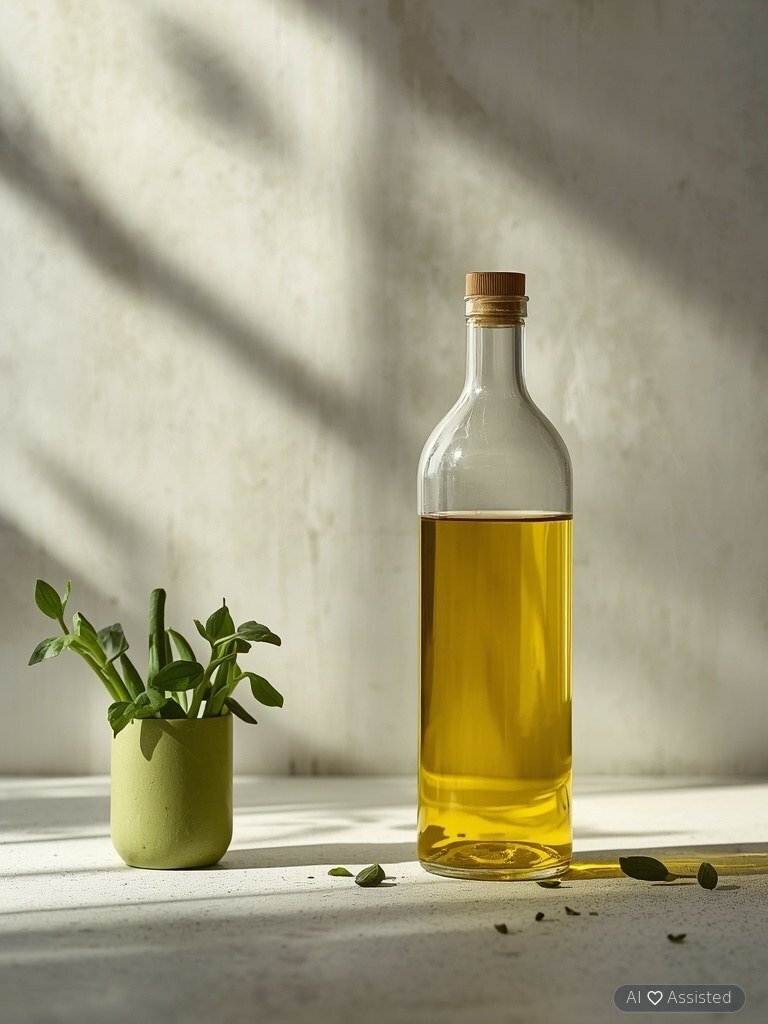
When selecting the lipid base for salad dressings, unrefined cold-pressed oils (mechanically extracted below 40°C) are paramount:
- Extra Virgin Olive Oil: The gold standard of the Mediterranean diet, rich in oleic acid and potent polyphenols (oleocanthal, hydroxytyrosol) with anti-inflammatory activity.
- Flaxseed Oil: An unrivaled plant source of alpha-linolenic acid (ALA, Omega-3). Must strictly be kept unheated and stored refrigerated in dark glass.
- Cold-Pressed Rapeseed (Canola) Oil: Features an optimal Omega-6 to Omega-3 ratio (~2:1) with a pleasantly delicate flavor.
- Walnut and Pumpkin Seed Oils: Impart distinctive gourmet aromas along with zinc and bioactive phytosterols.
The pitfalls of commercial dressings and healthy alternatives
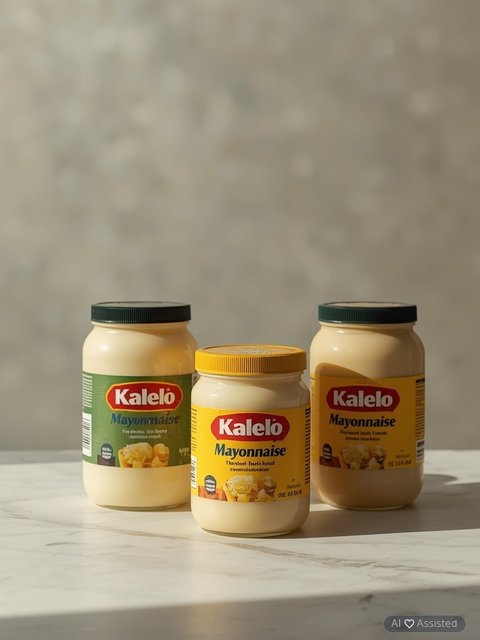
Commercial supermarket dressings and mayonnaise-based sauces are frequently nutritional hazards, loaded with high-fructose corn syrup, low-grade refined sunflower or palm oils, modified starches, preservatives, and artificial flavor enhancers. Even dressings marketed as "light" replace fat with copious amounts of sugar and synthetic thickeners.
Whisking a homemade vinaigrette takes less than two minutes. It affords absolute control over ingredient purity, excludes synthetic additives, and delivers pure nutritional value.
Recipes for artisanal dressings: formulas and culinary pairings
The timeless foundation of an authentic vinaigrette rests on a 3:1 ratio (three parts unrefined oil to one part acid). Here are three tested, nutrient-packed formulas:
- Classic Dijon-Honey Vinaigrette: 3 tbsp extra virgin olive oil, 1 tbsp fresh lemon juice or raw apple cider vinegar, 1 tsp Dijon mustard, 1/2 tsp raw honey, sea salt, and cracked black pepper. Shake in a small jar until creamy.
- Flaxseed-Herb Elixir: 3 tbsp cold-pressed flaxseed oil, 1 tbsp lime juice, minced fresh dill, parsley, and wild garlic. Perfect for summer tomatoes and crisp cucumbers.
- Creamy Greek Yogurt & Tahini Dressing: 2 tbsp plain Greek yogurt, 1 tbsp raw sesame tahini, 1 tbsp olive oil, 1 minced garlic clove, lemon juice, and a splash of water to emulsify.

Sophia Williams
✓Diets Premium Expert
Diets Premium team expert. Specializes in nutrition plans, strength sports, and training plans.
View Profile →