Traditional Plum Butter (Powidła): Artisanal Preparation, Nutritional Profile, and Culinary Uses

| Diets Premium Expert David Janitzek | min read 3 min | Scientifically reviewed by a clinical dietitian 23.10.2026 |
Smart Voice
•Listen to the article content live
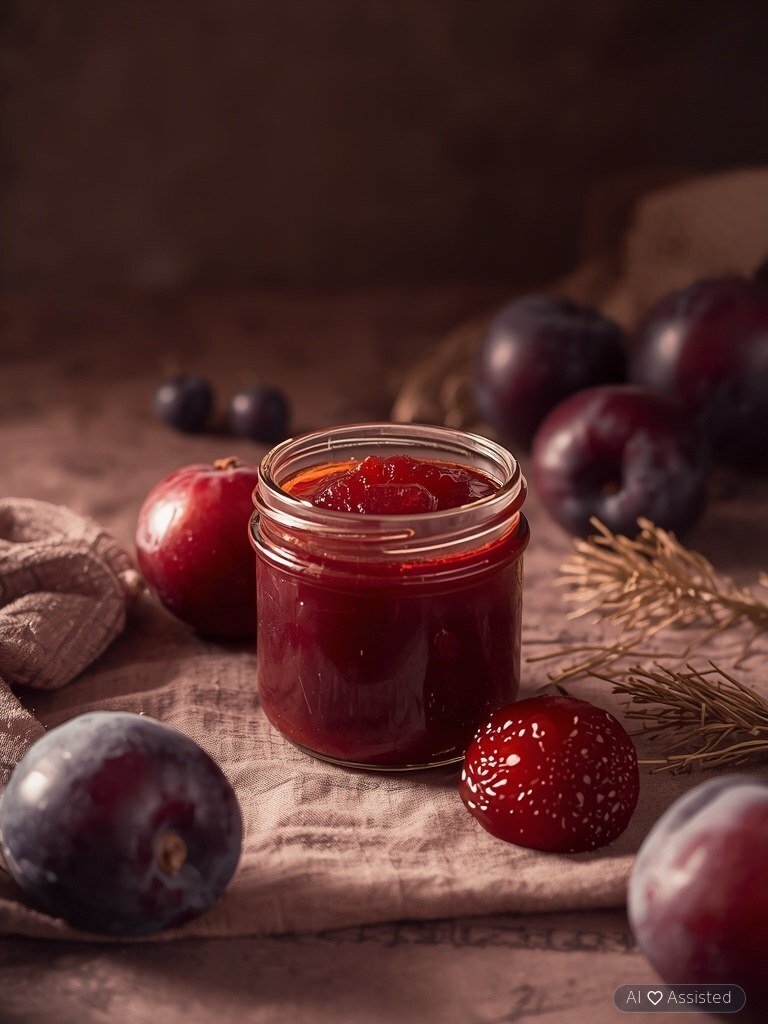
Traditional plum butter, or powidła, is crafted through a refined, yet time-honored process that begins with ripe Hungarian prunes. The plums undergo mechanical pulverization followed by a controlled thermal pre-treatment to soften the fruit pulp. The mixture is then simmered for extended periods with regulated sucrose addition until the moisture content is halved. The final product boasts a thick, slightly viscous texture and a deep, dark brown-to-black hue, courtesy of Maillard reactions and sugar caramelization. Naturally pasteurized and rich in fruit acids and simple sugars, this plum butter achieves microbial stability without artificial preservatives, preserving its authentic flavor and nutritional integrity.
Want to apply these guidelines in your daily diet?
Our smart diet generator creates a tailored meal plan in 3 minutes based on the recommendations in this article.
Nutritional profile of plum butter: Vitamins, pectins, and antioxidants
Traditional plum butter (powidła) is prepared from wholesome plums (principally European prune plums) rich in bioactive compounds and dietary fiber. Both fresh plums and traditional plum butter supply carbohydrates primarily in the form of sucrose and glucose, with a relatively low free fructose content, making them easier to tolerate for individuals with mild gastrointestinal sensitivities.
Among the organic acids present in plum butter, malic and citric acids predominate. Malic acid gives the fruit spread its pleasant tart note, while citric acid participates in cellular carbohydrate metabolism. Plum butter is widely recommended for individuals struggling with sluggish bowel transit or constipation, as its concentrated pectins and soluble dietary fiber stimulate gut peristalsis and promote stool regularity.
Plum butter also provides beta-carotene, a potent antioxidant that shields cells from oxidative stress and free radical damage. Its B-group vitamins nourish the nervous system and support enzymatic nutrient metabolism. Moreover, plum butter is a valuable source of potassium, an intracellular electrolyte that regulates blood pressure, counteracts fluid retention, and maintains normal neuromuscular excitability.
Caloric density, carbohydrate content, and glycemic index
The energy density of traditional plum butter averages approximately 214 kcal per 100 g of finished preserve. This macronutrient profile delivers roughly 53 g of carbohydrates, 1 g of vegetable protein, minimal fat (under 0.5 g), and 1.8 to 2.5 g of functional dietary fiber.
Despite its concentration of carbohydrates, traditional unsweetened plum butter exhibits a low-to-moderate glycemic index (GI around 40–45). This beneficial glycemic response is mediated by viscous soluble pectins that slow intestinal glucose absorption, along with natural sorbitol—a sugar alcohol that metabolizes gradually. Consequently, authentic plum butter does not trigger the sharp postprandial glycemic and insulin spikes typical of commercial high-sugar jams.
Mindful portion control remains advisable within a balanced diet. A generous teaspoon of plum butter (roughly 20 g) yields about 43 kcal, serving as a nutrient-dense alternative to refined chocolate spreads and corn syrup confectioneries.
Culinary applications of plum butter: Traditional pastries and savory dishes
Plum butter has held an esteemed place in both historical and contemporary culinary arts for centuries. It remains an indispensable filling in traditional pastry making—commonly featured in spiced gingerbreads, yeast cakes, layered crumbles, rugelach, and filled doughnuts. Its dense, naturally pectin-rich texture provides excellent baking stability, preventing it from leaking under high oven temperatures.
In savory cuisine, plum butter serves as an exquisite foundation for sweet-and-sour pan sauces, reductions, and marinades for venison, roasted duck, and pork loins, pairing harmoniously with herbs such as marjoram, juniper, and garlic.
While plum butter supplies valuable polyphenols and pectins, moderation remains essential. Dietary guidelines recommend that simple sugars comprise less than 10% of total daily caloric intake. Incorporating modest spoonfuls into morning oats, whole-grain toast, or fresh curd cheese provides exceptional culinary satisfaction while safeguarding metabolic health.
Tags

mgr David Janitzek
✓Diets Premium Expert
Diets Premium team expert. Specializes in nutrition plans, strength sports, and training plans.
View Profile →