Mascarpone Cheese: Velvety Italian Delicacy, Culinary Heritage, Nutritional Profile, and Gastronomic Uses

| Diets Premium Expert Alicja Kowalska | min read 2 min | Scientifically reviewed by a clinical dietitian 23.10.2026 |
Smart Voice
•Listen to the article content live
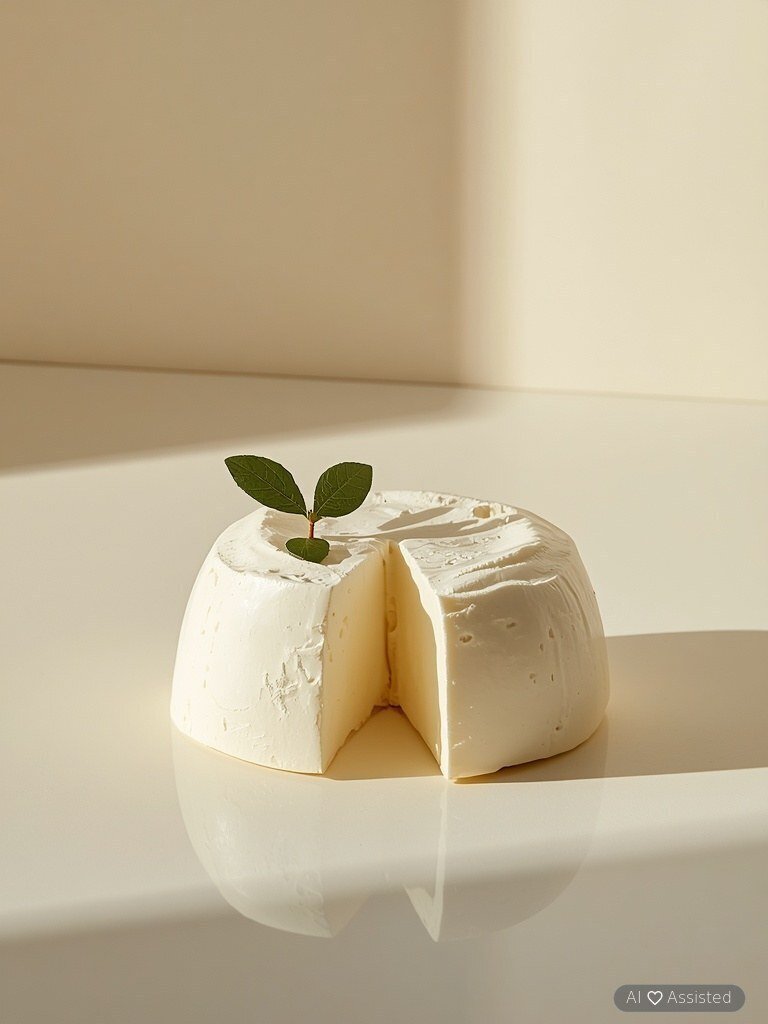
Mascarpone stands as one of the most luxurious and celebrated fresh cheeses of Italy, originating in the fertile agricultural meadows of Lombardy. Renowned for its dense, velvety, spreadable texture and subtle buttery sweetness, it elevates contemporary culinary creations. Technically classified as a curd cheese, it is produced not from skimmed or whole milk, but from pure dairy cream coagulated via organic acids. While calorie-dense and lipid-rich, it serves as the irreplaceable heart of authentic confectionery classics—most famously traditional Tiramisù—as well as rich savory sauces.
Want to apply these guidelines in your daily diet?
Our smart diet generator creates a tailored meal plan in 3 minutes based on the recommendations in this article.
Origins, Culinary Heritage, and Acid-Coagulation Production Technology
Mascarpone originated in the late 16th and early 17th centuries in the Lombard region surrounding Lodi and Abbiategrasso. The nomenclature likely derives from the local dialect word mascherpa, signifying milk cream. Its manufacturing technology diverges completely from traditional rennet-coagulated cheeses: fresh heavy bovine cream (skimmed from grass-fed cattle milk) is heated precisely to 85–90°C. Food-grade organic acid (citric, tartaric, or lemon juice) is folded into the hot cream, triggering gentle acid-thermal precipitation of whey proteins and casein. The coagulum is gently drained through fine woven cheesecloths for 24 hours under refrigeration, yielding an unaged, silky emulsion without animal rennet.
Nutritional Profile: Caloric Density, Lipid Fractions, Fat-Soluble Vitamins, and Calcium
Mascarpone is an energy-dense functional dairy ingredient: a 100 g portion supplies approximately 400–450 kcal and 40–47 g of lipids, predominantly saturated milk fats derived directly from fresh cream. It provides 3–5 g of protein and trace carbohydrate (2–3 g residual lactose). Micronutrition-wise, mascarpone delivers notable amounts of bioavailable preformed vitamin A (retinol) supporting epithelial renewal, cholecalciferol (vitamin D), calcium, and phosphorus. While individuals on hypocaloric diets should enjoy it mindfully in moderate portions, it serves as a clean, luxurious fat source in ketogenic (keto) and low-carbohydrate nutrition protocols.
Confectionery Mastery: The Secrets of Authentic Tiramisù and Fruit Creams
Authentic Italian Tiramisù is inconceivable without pristine artisanal mascarpone. In the canonical Venetian formulation, chilled mascarpone is folded into fresh egg yolks sabayon whipped with fine sugar and lightened with stiff egg whites, layered over espresso- and amaretto-steeped savoiardi ladyfingers and finished with raw bitter cocoa. In fine pastry making, mascarpone serves as an exceptional structural stabilizer: whipped together with heavy whipping cream and fruit purees (raspberries, passion fruit), it creates an unctuous, firm frosting that resists weeping and eliminates the need for commercial gelatin.
Savory Gastronomy: Velvety Pasta Sauces, Enriched Soups, and Creamy Risotto
While widely associated with sweet confections, mascarpone plays an equally profound role in savory Italian gastronomy. Folding two to three tablespoons of mascarpone into simmering tomato-basil marinara mutes sharp tomato acidity while creating a silky sauce. It performs superbly in skillet pasta dishes featuring wild salmon, baby spinach, and garlic, seamlessly emulsifying with starchy pasta cooking water. In authentic risotto finishing (la mantecatura), vigorously stirring in mascarpone alongside aged Parmigiano off the heat delivers transcendent creaminess. It equally enriches autumnal squash, wild mushroom, and asparagus soups.

Alicja Kowalska
✓Diets Premium Expert
Diets Premium team expert. Specializes in nutrition plans, strength sports, and training plans.
View Profile →