PRO
6 min read
How to Use Alum? Learn About Its Properties, Applications, and Potential Harmful Effects

Tim Klein
✓
Diets Premium Expert • 25.09.2026
✓
Scientifically reviewed by a clinical dietitian:
This article has been peer-reviewed for adherence to IŻŻ, WHO, and PTGiP clinical nutritional standards.
| Diets Premium Expert Tim Klein | min read 6 min | Scientifically reviewed by a clinical dietitian 25.09.2026 |
Smart Voice
•Listen to the article content live
0:00
/
0:00
Key Takeaways
Alum is a natural mineral that is used in our daily lives. Until now, it has mainly been used externally, but recent research and innovative therapies have proven that it is equally effective in helping to treat many ailments. Read the article to learn more about its potential applications and the potential dangers associated with it.
Meal Plan
Want to apply these guidelines in your daily diet?
Our smart diet generator creates a tailored meal plan in 3 minutes based on the recommendations in this article.
PRO Content
PRO
This article is professional premium content (PRO) provided in its entirety.
Understanding alum: Definition, chemical properties, and practical considerations
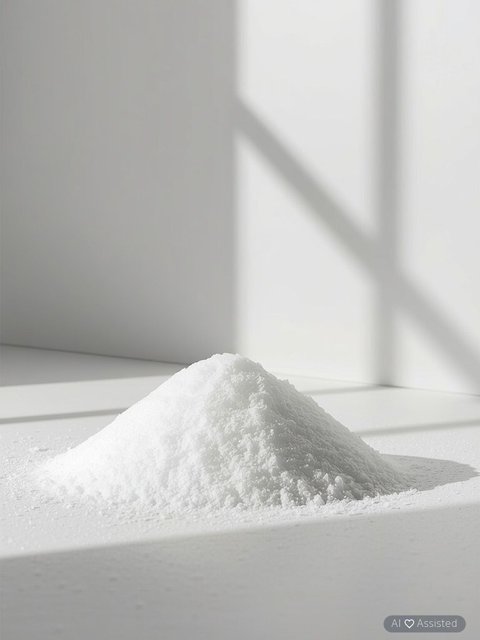
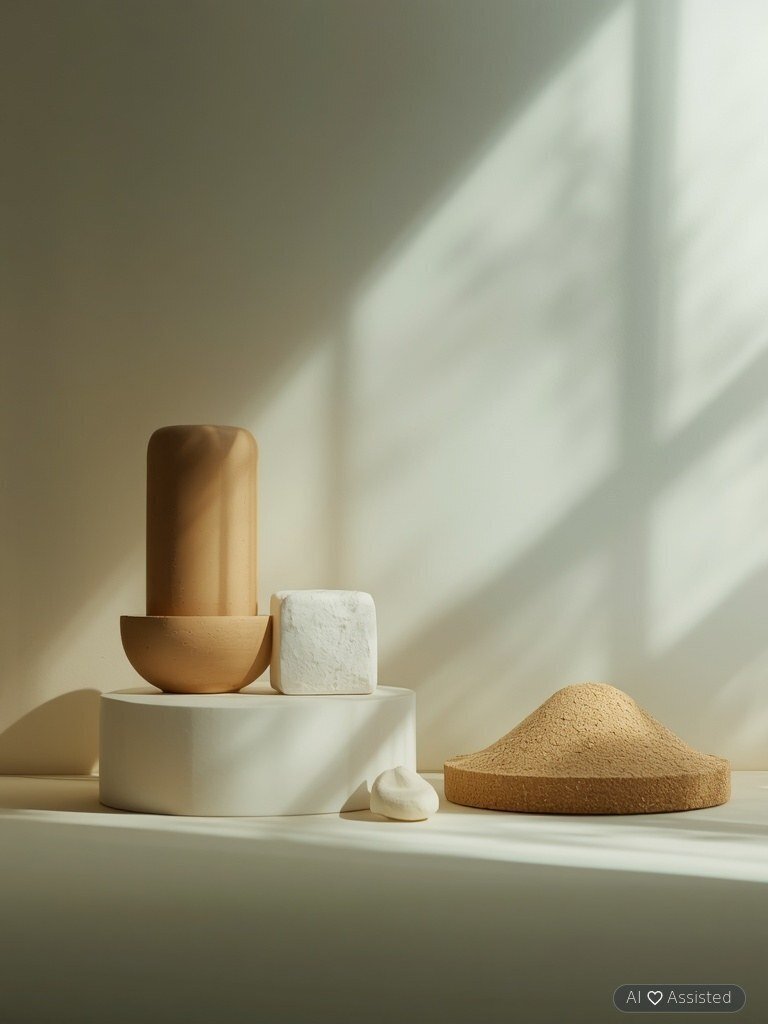
Alums constitute a category of naturally derived chemical compounds whose primary component is crystalline aluminum extracted from rock minerals. From a chemical perspective, they are classified as double salts formed through the interaction of sulfuric acid with two bases—most commonly potassium alum (potassium aluminum sulfate) or ammonium alum. Within the cosmetic industry, the potassium variant predominates due to its stability and astringent properties. It is critical to note, however, that its composition includes aluminum—a heavy metal with documented potential for adverse biological effects upon prolonged exposure—which remains the primary concern prompting some consumers to avoid its use altogether. Despite these reservations, alum maintains a reputation as an entirely biodegradable, additive-free product, appealing particularly to individuals seeking natural alternatives. Currently, it is manufactured in diverse application formats—ranging from traditional crystalline blocks to powders, liquid solutions, and even stick deodorants—thereby enabling users to select the form best suited to their specific requirements and usage preferences.
What are the distinctive characteristics and practical applications of alum in medical and everyday contexts?
Alum, renowned for its broad spectrum of applications, plays a pivotal role in both domestic hygiene practices and specialized medical procedures. Its primary advantage lies in its ability to neutralize harmful microorganisms, thereby effectively eliminating unpleasant odors associated with excessive perspiration. While its antibacterial efficacy may not match that of synthetic compounds in terms of potency, it distinguishes itself through a natural safety profile, making it an appealing alternative for individuals seeking gentler solutions. Furthermore, its versatility extends to dermatological, hemostatic, and immunomodulatory uses, ensuring its continued value across diverse healthcare domains.
Properties and applications of alum in cosmetics and medical therapy – from traditional practices to contemporary advancements
Alum, a mineral with a rich historical background dating back to antiquity, has long been valued for its distinctive properties. Its mechanism of action, closely resembling that of modern antiperspirants, makes it a favored choice in the form of crystals, roll-on deodorants, or solid sticks. Traditionally employed as a hemostatic agent during shaving—particularly for minor cuts—alum also exhibits significant antiseptic qualities, rendering it effective in alleviating various dermatological conditions, including common acne and herpes lesions. Beyond these well-documented applications, alum is utilized in other fields, most notably in veterinary medicine, where it serves as a critical adjuvant in vaccines, enhancing their immunogenic potential. Furthermore, its inclusion in human medical preparations spans over nine decades, underscoring its remarkable capacity to bolster the body’s immune response. Research further corroborates its efficacy in treating patients with hemorrhagic cystitis, where it not only contributes to health stabilization but also aids in delaying—or even circumventing—more aggressive therapeutic interventions, which are often associated with an exacerbation of adverse effects such as painful bladder spasms.
Where can one purchase alum in different forms and what are the current market prices?
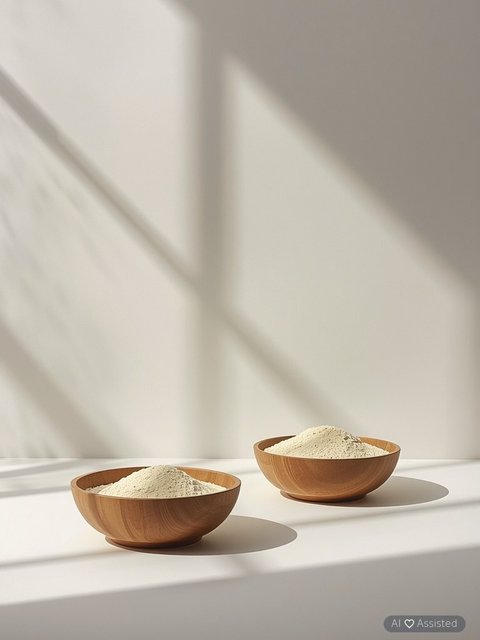
Conventional alum-based products, typically marketed as mineral crystals, are notably affordable, with prices ranging from 10 to 15 złoty. The powdered version, however, is even more cost-effective: a 25-gram package can be purchased for as little as 5 złoty. Additionally, the product is available in patch form (for instance, 4 pieces cost approximately 2 to 3 złoty) and as convenient sticks, with prices starting at 6 złoty. It is important to highlight that these items are highly durable, allowing for prolonged use—from several days up to months. Interestingly, manufacturers have responded to consumer demands by introducing a specialized gel designed for treating minor injuries such as cuts; a 10-milliliter container of this preparation retails for around 10 złoty. The market also offers more advanced alum compositions containing potassium and sodium compounds or potassium and ammonium compounds. These variants are less likely to trigger allergic reactions but are harder to source and significantly more expensive than the basic versions.
Does alum pose a health risk, and if so, under what circumstances?
While alum in its basic form is not classified as a toxic substance, its safety is highly context-dependent and influenced by individual physiological factors. The primary limiting factor in its potential harm is the low bioavailability of aluminum through the skin; however, this does not eliminate the risk of adverse reactions entirely. In some individuals, it may provoke localized skin irritation and, over prolonged exposure, trigger sensitizing or allergic responses—contradicting claims by certain manufacturers regarding its complete inertness. The risk becomes particularly pronounced with products such as bath powders or toothpastes, where alum is employed to mitigate gum bleeding. In these scenarios, there is a tangible danger of aluminum penetrating the body via the oral mucosa or compromised gum tissue, potentially leading to its accumulation in the bloodstream. Chronic and sustained exposure to this element—especially when combined with dietary intake—can result in gradual poisoning, manifesting through symptoms such as dizziness, memory impairment, difficulty concentrating, anemia, skin rashes, nausea, shortness of breath, pneumonia, or constipation. An additional source of exposure is food, in which trace amounts of aluminum may appear due to soil contamination or improper use of agrochemical agents. The established safe daily intake of aluminum for adults is 60 mg, a significant portion of which originates from dietary sources. The likelihood of adverse effects increases in direct proportion to the frequency and intensity of alum-containing product use, necessitating moderate and informed application.
A Comprehensive Guide to the Practical Applications of Alum
The applications of alum are remarkably diverse, with its utility contingent upon the specific therapeutic or cosmetic outcome desired. To effectively mitigate excessive perspiration, it is advisable to employ specialized preparations such as roll-on deodorants, stick formulations, or even raw alum crystals in their purest form. Beyond its antiperspirant properties, alum’s antiseptic and astringent qualities render it an ideal ingredient for bath powders designed for full-body immersion or foot soaks, thereby contributing to bacterial reduction and the elimination of unpleasant odors. When used as a foot powder or shoe insert, it not only neutralizes malodor but also acts as a disinfectant, preventing fungal growth and infections. Another critical application involves the direct abrasion of minor wounds, cuts, or skin irritations with an alum crystal—a practice that accelerates healing and staunches bleeding, making it particularly beneficial for minor injuries like nicks from shaving. As a component of toothpaste, alum aids in the treatment of gum inflammation by reducing bleeding and promoting tissue regeneration. Furthermore, the consistent topical application of alum—especially in cases of acne, herpes, or other dermatological conditions—can yield noticeable improvements due to its anti-inflammatory and antibacterial properties. However, it is essential to exercise caution, as alum contains aluminum, the excessive accumulation of which in the body may lead to adverse health effects. Therefore, its use should be moderate and informed.
Tags

mgr Tim Klein
✓Diets Premium Expert
Diets Premium team expert. Specializes in nutrition plans, strength sports, and training plans.
View Profile →