Natural Food and Cosmetics – Pros and Cons of Naturally Derived Products

| Diets Premium Expert Laura Schneider | min read 3 min | Scientifically reviewed by a clinical dietitian 23.10.2026 |
Smart Voice
•Listen to the article content live
Products of natural origin are food products whose method of production complies with the principles laid down in Council Regulation (EEC) No 2092/91 on the natural production and labelling of agricultural products. This means that food products are produced without the use of artificial fertilizers and chemical plant protection products, while maintaining soil fertility and biodiversity.
Want to apply these guidelines in your daily diet?
Our smart diet generator creates a tailored meal plan in 3 minutes based on the recommendations in this article.
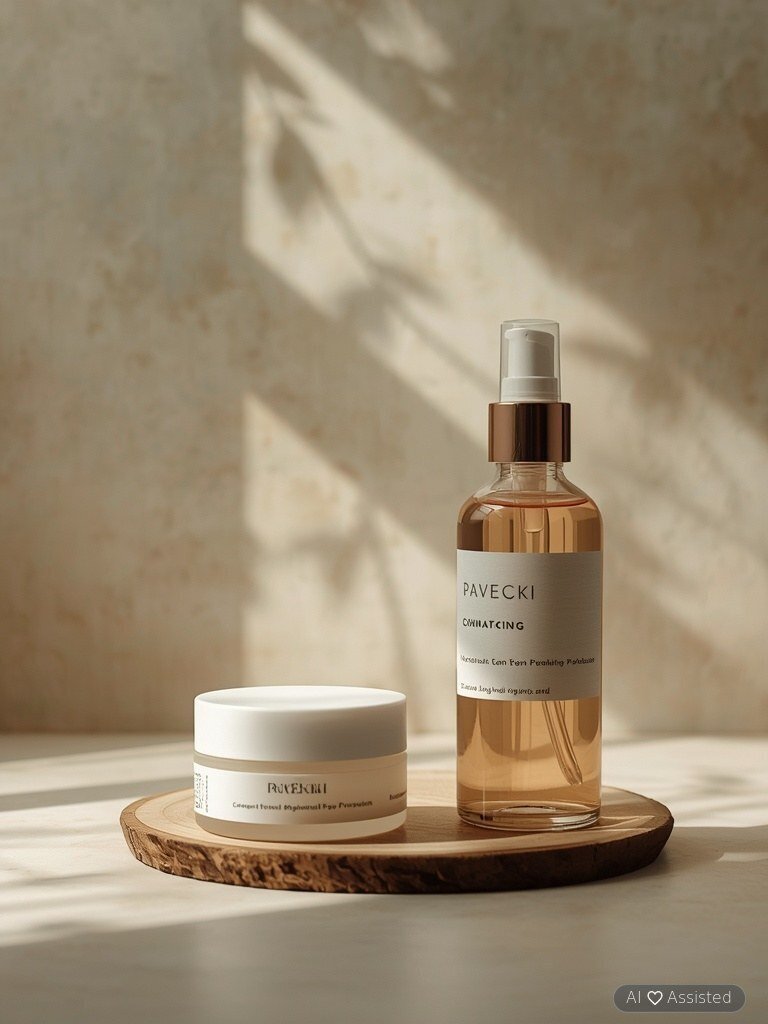
Certified natural skincare formulations with pure organic composition
As consumer awareness of the benefits associated with organic food continues to expand, there is a corresponding surge in demand for cosmetic products formulated with natural, non-toxic ingredients. An increasing number of individuals—particularly women—are recognizing that the substances present in skincare formulations penetrate the epidermal barrier, thereby exerting a direct influence on bodily functions in much the same way as dietary components. According to established regulatory definitions, a *natural cosmetic* is a preparation derived solely from botanical, animal, or mineral raw materials obtained through physical, microbiological, or enzymatic processes, explicitly excluding synthetic chemical interventions. Such products must adhere to rigorous purity standards: they may not contain contaminants posing risks to human health, and the proportion of synthetic additives is strictly limited to a maximum of 5%. Products labeled as *organic* or *bio-cosmetics* are subject to even more stringent requirements, with a mandatory minimum of 20% certified organic content in their composition. Permissible ingredients include natural solvents (e.g., distilled water, agricultural ethanol, vegetable glycerin), exclusively natural fragrance compounds, plant-based emulsifiers (such as cold-pressed oils, fatty acid esters, beeswax), and preservatives listed in the annexes of the EU Cosmetics Regulation (formerly Directive 76/768/EEC). However, it is critical to note that the growing popularity of the *eco-trend* within the cosmetics industry has unfortunately led to widespread misleading practices, where terms such as *„natural”*, *„bio”*, or *„organic”* are frequently exploited for purely commercial purposes without substantive validation in the product’s actual formulation. Consequently, when selecting skincare products, consumers are strongly advised to scrutinize ingredient labels meticulously and seek independent certifications that authentically verify the claimed attributes.
Organic product certification: regulatory standards, procedural framework, and EU-compliant labelling requirements
While the terms "organic", "bio", and their linguistic variants are frequently used interchangeably, their misuse by manufacturers and suppliers can mislead consumers regarding product authenticity. The sole reliable assurance that a food item meets organic farming standards is the presence of an official certification mark accompanied by a unique identification number assigned by the accrediting body that conferred the "organic product" designation. Since 2010, a unified European Union symbol—a green leaf composed of stars—has been mandatory on all certified organic packaging across member states. Individual countries may additionally implement their own legally sanctioned labels, typically displayed alongside the EU emblem. The labelling of organic food products must include mandatory particulars such as the producer’s full legal name and registered address, the date of manufacture, and the use-by or best-before date. Furthermore, the label is required to feature the certification body’s authorisation number, the EU organic farming logo, and the country of origin for the raw materials. The certification process itself is multi-phase and may extend over several years, encompassing documentary preparation, application submission, preliminary review with potential supplementary requests, and a thorough inspection of the entire production chain—covering cultivation practices, storage protocols, transportation logistics, and processing methodologies. Post-certification, accrediting entities conduct periodic, often multi-annual, compliance audits to verify sustained adherence to regulatory benchmarks.
Organic food products: A detailed examination of benefits and potential drawbacks from the modern consumer’s perspective
Food products derived from organic farming are becoming increasingly prevalent in everyday commerce, a trend driven by the rapid expansion of specialized retail networks—ranging from small, community-based organic grocery stores to dedicated sections within major supermarket chains that consistently broaden their offerings to include items cultivated in strict accordance with organic agricultural principles. This growing accessibility empowers shoppers to conduct direct comparisons between organic and conventional products in terms of nutritional quality, sensory attributes, and pricing structures. The steady expansion of the organic market segment serves as compelling evidence that Polish consumers are progressively adopting more discerning purchasing behaviors, prioritizing factors such as health safety, superior product standards, and reduced environmental impact. By opting for foods certified under rigorous EU and national regulations, buyers gain assurance that these items are free from harmful pesticides, artificial fertilizers, or genetically modified components, and that their production adheres to sustainable practices designed to preserve biodiversity and natural ecosystems. It is important to note, however, that the premium pricing of such goods stems not only from certification expenses but also from the labor-intensive and time-consuming cultivation and livestock-rearing processes that must comply with exacting legal and ethical benchmarks.

Laura Schneider
✓Diets Premium Expert
Diets Premium team expert. Specializes in nutrition plans, strength sports, and training plans.
View Profile →