Rice vinegar – characteristics, culinary uses, and homemade preparation. What are the viable alternatives to rice vinegar in cooking?

| Diets Premium Expert Kacper Nowak | min read 3 min | Scientifically reviewed by a clinical dietitian 23.10.2026 |
Smart Voice
•Listen to the article content live
Rice vinegar serves as an indispensable ingredient not only in traditional sushi but also across a broad spectrum of Asian culinary preparations, including marinades, salads, and preserved vegetables. Its primary role in dishes is to impart a delicate, mildly sweet flavor profile while simultaneously extending shelf life through its preservative qualities. Beyond its culinary and practical advantages, however, does this versatile vinegar also harbor potential health-promoting properties worth exploring?
Want to apply these guidelines in your daily diet?
Our smart diet generator creates a tailored meal plan in 3 minutes based on the recommendations in this article.
Characteristics and types of rice vinegar
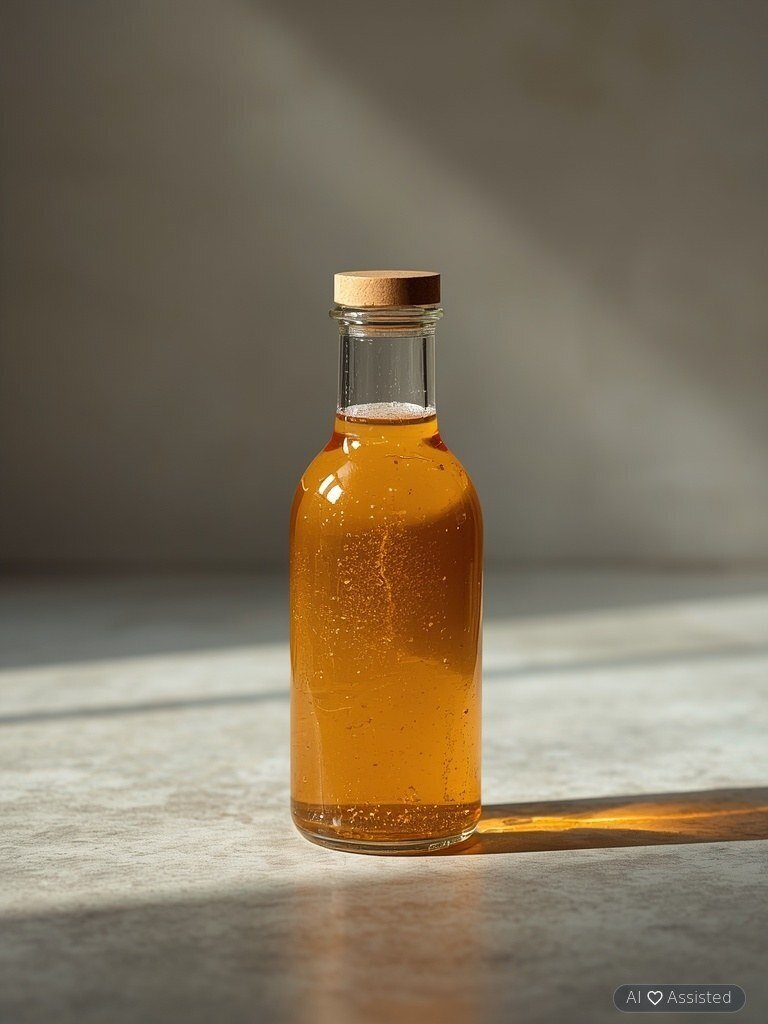
Rice vinegar is produced through the fermentation of rice or rice wine and holds a deeply rooted position in East Asian culinary traditions. Several varieties exist, with Japanese and Chinese types being the most prominent. Japanese rice vinegar typically features a milder, more delicate flavor profile, whereas the Chinese counterpart is often sharper, more acidic, and robust. Particularly in Western gastronomy, rice vinegar has gained widespread popularity for seasoning vinaigrettes, marinades, and, notably, traditional sushi rice. Furthermore, dark and black varieties exist, crafted from glutinous rice or supplemented with millet and sorghum, offering a significantly richer, deeper, and almost malty aroma.
Health properties of rice vinegar
Beyond its culinary merits, rice vinegar offers several notable health benefits. Due to its organic acid content, it can support digestive processes by stimulating gastric acid secretion and facilitating optimal nutrient absorption. Emerging evidence suggests that acetic acid may help stabilize postprandial blood glucose levels following carbohydrate-rich meals and improve overall insulin sensitivity. Additionally, rice vinegar contains essential amino acids and antioxidant compounds that help combat oxidative stress, support immune function, and positively influence cardiovascular health parameters.
Homemade preparation of rice vinegar
Making rice vinegar at home requires patience and precision, yet it remains a fascinating culinary project. The process relies fundamentally on a two-stage fermentation: first, rice, water, and sugar are fermented using yeast to produce an alcoholic base similar to rice wine, which is subsequently converted into vinegar by acetic acid bacteria. Ingredients are combined in a fermentation vessel fitted with an airlock for several weeks. Following primary alcoholic fermentation, the vessel is covered with a breathable cloth to allow oxygen ingress, enabling acetic bacteria to transform the alcohol. After a final maturation period, the liquid is filtered and bottled.
Alternatives to rice vinegar in cooking
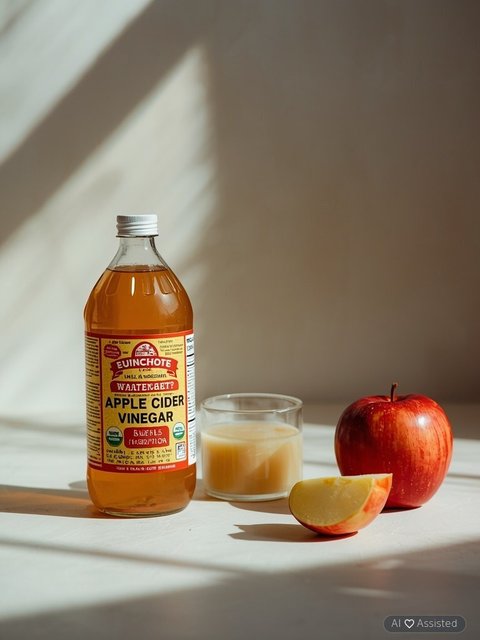
If rice vinegar is unavailable, it can be easily substituted with other types of vinegar in numerous recipes. White wine vinegar and apple cider vinegar serve as excellent alternatives because they offer a comparable, clean acidity. To closely mimic the characteristic mild sweetness of authentic rice vinegar, a small pinch of sugar can be added to the substitute. Milder white balsamic vinegar also works well in salad dressings and marinades. These smart substitutions ensure that Asian dishes and sushi rice can still be prepared with an authentic flavor profile.
Tags

Kacper Nowak
✓Diets Premium Expert
Diets Premium team expert. Specializes in nutrition plans, strength sports, and training plans.
View Profile →