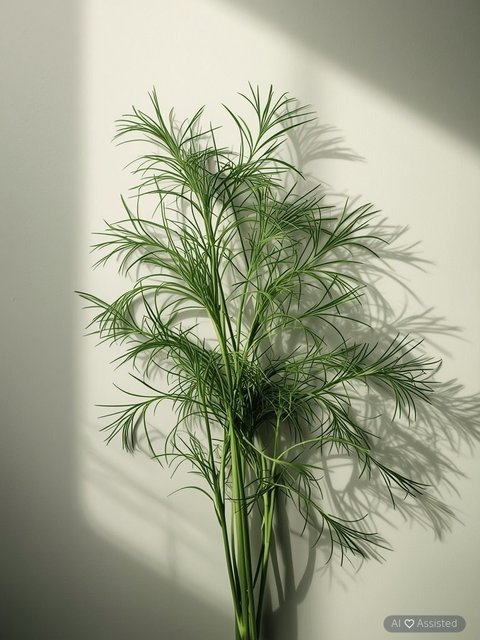
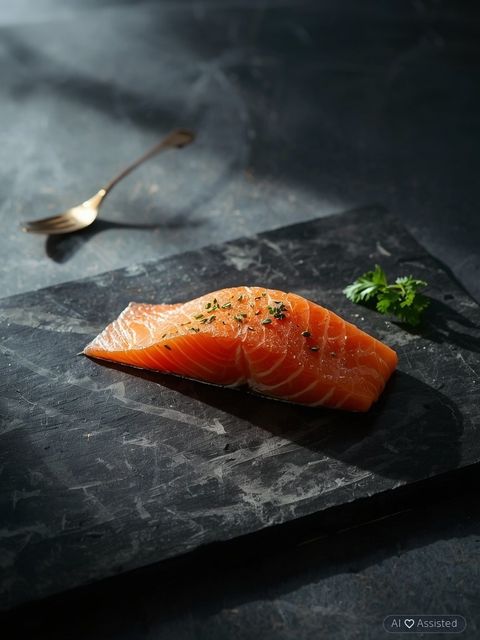
Dill (Anethum graveolens) – Medicinal Properties, Dill Essential Oil, and Seeds. Culinary and Dietary Applications

| Diets Premium Expert Mia Hoffmann | min read 3 min | Scientifically reviewed by a clinical dietitian 23.10.2026 |
Smart Voice
•Listen to the article content live
Dill (Anethum graveolens) is an ancient aromatic and therapeutic herb of the Apiaceae family, revered across European and Asian culinary and pharmacopoeial traditions. Both the delicate feathery fronds, the mature seeds, and the steam-distilled essential oil deliver potent carminative, antispasmodic, antibacterial, and digestive-enhancing virtues.
Want to apply these guidelines in your daily diet?
Our smart diet generator creates a tailored meal plan in 3 minutes based on the recommendations in this article.
Botanical Profile of Dill and Its Volatile Essential Oil
Dill is an annual herbaceous plant reaching up to one meter, recognized by its delicate, feathery pinnatisect leaves and broad compound umbels of bright yellow blossoms. It originated in the Mediterranean basin and Western Asia.
Its therapeutic efficacy resides in the volatile essential oil (Oleum Anethi), dominated by key monoterpenes: carvone, d-limonene, phellandrene, and dill ether (anethofuran). Foliar oils are rich in phellandrene, whereas seed oil is predominantly concentrated in carvone, conferring its warm caraway-like bouquet.
Health Benefits: Carminative and Spasmolytic Actions
Dill represents one of the premier botanical remedies for gastrointestinal dysfunction:
- Carminative action – facilitating the dispersion and expulsion of trapped intestinal gases, easing painful abdominal distension;
- Spasmolytic efficacy – carvone and limonene directly relax smooth visceral muscle fibers, quelling spasmodic cramps;
- Digestive secretion stimulation – augmenting salivary, gastric, and biliary output to accelerate digestion;
- Gentle soothing sedative properties – seed infusions ease nervous restlessness and promote restful sleep.
Dill Seed Oil and Seeds for Infantile Colic and Digestive Relief
Dill fruits (Fructus Anethi) constitute a foundational ingredient in traditional gripe water formulations, administered across generations to relieve infant colic and flatulence.
For adults, prepare a therapeutic infusion by steeping 1 teaspoon of lightly crushed seeds in 200 ml of boiling water for 10–15 minutes covered. Drink postprandially. Additionally, chewing whole seeds freshens breath and combats oral halitosis.
Culinary and Dietary Utilization of Fresh and Dried Dill
Fresh green dill is an indispensable component of wholesome culinary traditions. Offering a bright, grassy, mildly anise-like profile, it pairs exquisitely with seafood (notably salmon), new potatoes, chilled yogurt soups, and lacto-fermented cucumbers.
To safeguard heat-sensitive essential oils and ascorbic acid, fold fresh chopped dill into dishes right before serving. Whole dried dill seeds excel when baked into artisan sourdough breads, braised cabbage, and hearty legume stews.
Tags

Mia Hoffmann
✓Diets Premium Expert
Diets Premium team expert. Specializes in nutrition plans, strength sports, and training plans.
View Profile →