PRO
6 min read
Air pollution - causes, impacts, protection and health effects

Felix Weber
✓
Diets Premium Expert • 24.09.2026
✓
Scientifically reviewed by a clinical dietitian:
This article has been peer-reviewed for adherence to IŻŻ, WHO, and PTGiP clinical nutritional standards.
| Diets Premium Expert Felix Weber | min read 6 min | Scientifically reviewed by a clinical dietitian 24.09.2026 |
Smart Voice
•Listen to the article content live
0:00
/
0:00
Key Takeaways
Poland has been designated by the World Health Organization as one of the two most air-polluted nations in the European Union... In an alarming ranking, we stand alongside Bulgaria, but upon examination of the list of the most polluted cities in the EU, we must concede that we are leading... In the ranking of the 50 most polluted cities of the EU, 33 are situated in Poland.
Meal Plan
Want to apply these guidelines in your daily diet?
Our smart diet generator creates a tailored meal plan in 3 minutes based on the recommendations in this article.
PRO Content
PRO
This article is professional premium content (PRO) provided in its entirety.
Understanding the phenomenon of smog and its distinct types
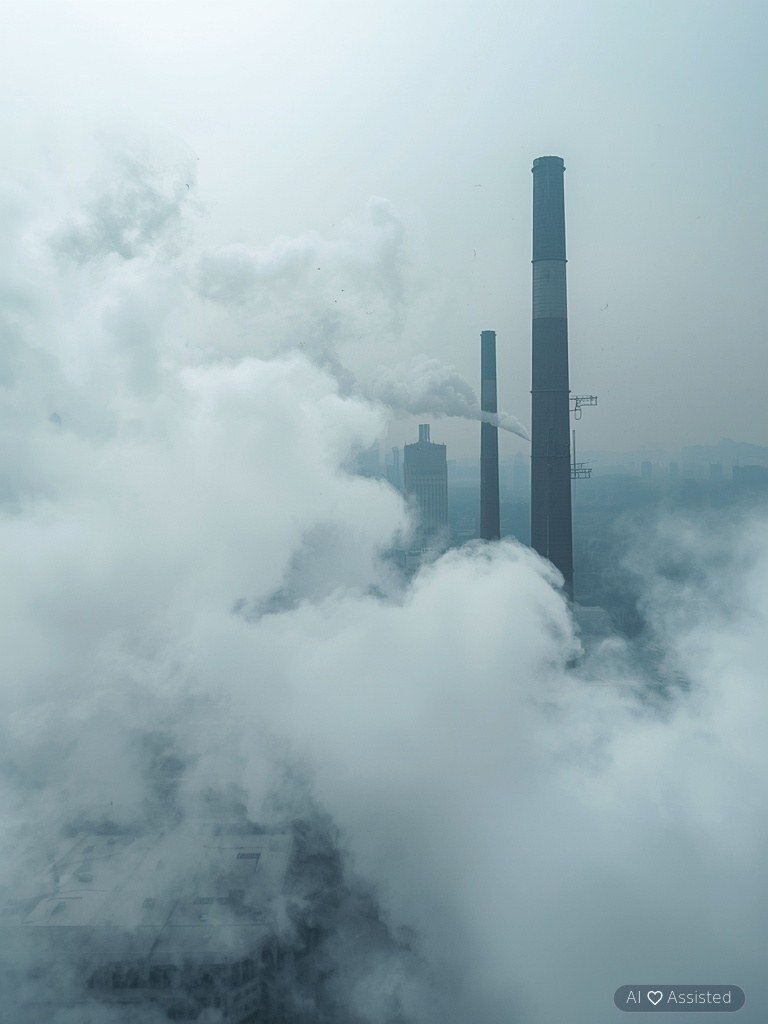
The term "smog" is a portmanteau derived from "smoke" and "fog," referring to an abnormal atmospheric phenomenon predominantly observed in urban environments. It arises from the interaction between human-generated pollutants and adverse meteorological conditions, such as windless conditions or temperature inversion. During smog episodes, visibility is significantly impaired, while the hazardous chemical compounds present in the smog pose a substantial risk to public health. Based on geographical location, formation conditions, and chemical composition, two primary types of smog are distinguished: **classical (London-type) smog**, characterized by reducing and acidic properties, which typically occurs in winter months (November to February) within temperate climate zones, driven by elevated concentrations of sulfur dioxide (SO₂), particulate matter, and—to a lesser extent—nitrogen oxides and carbon monoxide; and **photochemical (Los Angeles-type) smog**, exhibiting oxidizing properties, which predominantly forms in summer under intense solar radiation and high temperatures, where elevated levels of nitrogen oxides and hydrocarbons—primarily from vehicular emissions—play a critical role. In Polish cities and metropolitan areas, the specific composition and concentration of pollutants create conditions conducive to the formation of both smog types. The primary airborne contaminants in Poland include particulate matter (PM10, PM2.5) and polycyclic aromatic hydrocarbons (PAHs), with benzo[a]pyrene being of particular concern due to its high toxicity.
Factors conducive to smog formation and its primary emission sources in urban and industrial environments
The phenomenon of smog develops under specific geographic conditions, such as valleys encircled by elevated terrain, as well as under particular meteorological circumstances, including stagnant air, elevated humidity levels, and the occurrence of thermal inversions, where warmer air layers remain trapped above cooler ones. The primary driver behind the low-emission challenge lies in fulfilling fundamental human requirements, notably residential heating and personal transportation. Smog constitutes a direct hazard stemming from the release of hazardous particulate matter and gaseous pollutants generated through suboptimal combustion of diverse fossil fuels and biomass—including bituminous coal, firewood, gasoline, diesel fuel, and other energy sources—both within households and across the transportation sector, conventional power generation facilities, and heavy industry. The most critical source of air quality degradation remains local heating installations and individual stoves, whose improper operation stems from limited public awareness regarding fuel selection and combustion technologies, ultimately compromising population health metrics. Particular emphasis must be placed on suspended particulate matter (PM10) and other low-emission byproducts, whose cumulative impact manifests in increased incidence of respiratory and cardiovascular diseases, as well as premature mortality rates. Another significant yet frequently overlooked factor is traffic-related emissions, necessitating comprehensive educational initiatives aimed at reducing vehicular traffic volume. An additional, albeit difficult-to-control contributor consists of transboundary pollutant inflows from adjacent regions, whose influence on local air quality can be substantial in certain cases, particularly in border areas.
Comprehensive examination of smog-induced pollution: health repercussions, environmental degradation, and long-term societal costs
Particulate matter suspended in the atmosphere permeates every facet of the natural environment, resulting in the systematic contamination of air, water resources, and soil. Consequently, toxic compounds infiltrate the organisms of all living beings—humans and animals alike—through respiratory processes, ingestion of polluted water, and consumption of vegetation cultivated in contaminated soils. The most severe, empirically validated consequences of low-level emissions include:
1. **Epidemiological threats**: a substantial increase in the prevalence of chronic respiratory diseases (such as COPD and bronchial asthma), lung cancers, and cardiovascular disorders, which correlates with elevated mortality rates in high-exposure populations;
2. **Environmental degradation**: acid rain deposition, which accelerates soil and water acidification, disrupts ecological balance, and compromises potable water quality;
3. **Infrastructural damage**: corrosion of construction materials, erosion of heritage monuments (e.g., stone sculptures, church façades), and premature deterioration of protective coatings on vehicles and industrial equipment;
4. **Greenhouse gas contributions**: industrial hubs like Upper Silesia account for **approximately one-third of Poland’s total CO₂ emissions**, significantly exacerbating global warming and regional climate instability.
In summary, low-emission smog represents a **cross-disciplinary crisis** that not only diminishes human quality of life through deteriorated health and psychological well-being but also destabilizes ecosystems. This phenomenon weakens the physiological resilience of wildlife (e.g., heightened susceptibility to infections, reproductive dysfunctions) and reduces biodiversity at the regional scale.
Health hazards associated with smog exposure: a comprehensive medical analysis
According to specialists in cardiology and internal medicine, the deleterious impact of atmospheric pollution on human physiology is contingent upon a multitude of variable parameters, including but not limited to: age demographics, baseline immune system functionality, comorbid chronic conditions, prevailing climatic conditions, ambient concentration of toxic particulate matter, and duration of exposure. Even transient contact with polluted air among otherwise healthy individuals may precipitate a spectrum of inflammatory responses across various anatomical sites, mucosal irritation affecting the ocular, pharyngeal, and upper respiratory tracts, transient pulmonary inflammation, environmentally triggered allergic reactions, pathological fatigue syndromes, diminished physical endurance capacity, cognitive impairments encompassing memory deficits and reduced concentration span, elevated generalized anxiety levels, and depressive episodes. Prolonged residence in environments characterized by elevated pollutant concentrations has been correlated with structural neuroanatomical alterations, increased susceptibility to cerebrovascular accidents, and accelerated progression of Alzheimer’s disease pathology. Particulate matter—particularly fine particles designated as PM2.5—plays a pivotal role in the pathogenesis of ischemic heart disease, primary hypertension, diverse cardiac arrhythmias, exacerbation of chronic heart failure syndromes, and may serve as a direct etiologic factor in sudden cardiac death. High-risk populations include individuals with preexisting coronary artery disease, those aged 65 years and above, women, obese individuals, type 2 diabetes patients, persons with chronic respiratory disorders, and active tobacco smokers. Large-scale epidemiological investigations have definitively established that even brief exposure to contaminated air substantially elevates the likelihood of acute myocardial infarction. Among patients diagnosed with bronchial asthma or chronic obstructive pulmonary disease (COPD), exposure to smog precipitates clinical deterioration, which in severe cases may prove fatal. Decades-long exposure to airborne pollutants constitutes a primary contributor to genomic instability, thereby fostering the development of malignant neoplasms across multiple organ systems. World Health Organization (WHO) data indicate that environmental factors—including air pollution—account for approximately 30% of all cancer cases, whereas genetic predispositions represent only 15%. Contemporary epidemiological analyses reveal an alarming surge in the incidence of malignant tumors within the general population, with increasing diagnoses among younger individuals who lack conventional risk factors such as tobacco use, alcohol abuse, or hereditary susceptibility. The most frequently documented smog-associated malignancies include lung cancer, paranasal sinus carcinomas, oral cavity and pharyngeal tumors, esophageal cancer, renal cell carcinoma, and bladder cancer. In Krakow alone, at least two new cases of pollution-linked cancers are diagnosed daily. Another critical consequence of sustained smog exposure is the development of chronic obstructive pulmonary disease (COPD), which—alongside malignant neoplasms and cardiovascular diseases—ranks among the leading causes of mortality in Poland, affecting over 22% of the population. Documented evidence further demonstrates statistically significant increases in mortality rates: 20% in all-cause mortality, 20% in cardiovascular-related deaths, and 22% in respiratory-related fatalities.
Effective protective measures against urban air pollution: Evidence-based strategies for mitigating smog exposure in metropolitan populations
To systematically mitigate the public health threats posed by urban smog, a multifaceted approach is required, encompassing the expansion of sustainable urban mobility solutions—including electric tram networks, subway systems, zero-emission bus fleets, commuter rail services, and municipal bicycle-sharing programs—alongside the creation of extensive green infrastructure, implementation of low-emission zones restricting vehicular traffic in city centers, and adoption of cutting-edge industrial filtration technologies. A critical component involves the mandatory retrofitting or replacement of outdated residential coal-burning appliances with high-efficiency, low-emission heating systems or transitioning to renewable energy alternatives such as geothermal heat pumps or biomass pellet stoves. Equally essential is the establishment of real-time air quality monitoring networks coupled with public alert systems to notify residents of high-particulate episodes (particularly PM₂.₅ and PM₁₀), thereby enabling proactive health protection measures, including minimization of outdoor physical activity, suspension of ventilation during peak pollution hours, deployment of medical-grade air purifiers equipped with HEPA and activated carbon filtration, and utilization of NIOSH-approved anti-smog respirators capable of filtering both particulate matter and gaseous pollutants.
Tags

mgr Felix Weber
✓Diets Premium Expert
Diets Premium team expert. Specializes in nutrition plans, strength sports, and training plans.
View Profile →