European Hake (Merluccius merluccius): Nutritional Composition, Caloric Profile, and Healthy Culinary Techniques

| Diets Premium Expert Katarzyna Mazur | min read 3 min | Scientifically reviewed by a clinical dietitian 23.10.2026 |
Smart Voice
•Listen to the article content live
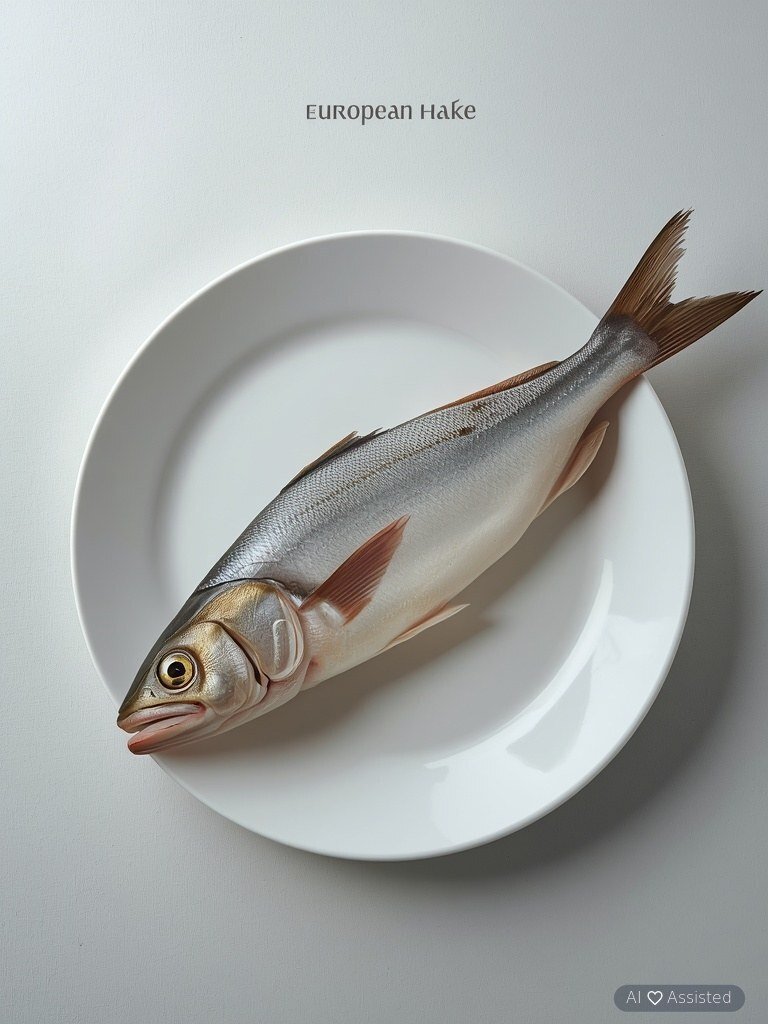
The European hake (Merluccius merluccius) is an ecologically and nutritionally prominent predatory gadiform marine fish inhabiting the Northeast Atlantic and Mediterranean waters. Prized for its exceptionally lean, tender white flesh and mild flavor, it is distinguished by a delicate flaky texture and an absence of strong fishy odor. In clinical nutrition, hake is regarded as an exemplary source of highly digestible complete protein and essential trace elements, displaying minimal heavy metal bioaccumulation. This guide covers nutritional metrics, health benefits, and heart-healthy culinary preparations.
Want to apply these guidelines in your daily diet?
Our smart diet generator creates a tailored meal plan in 3 minutes based on the recommendations in this article.
European Hake – Species Profile and Toxicological Safety
European hake resides across demersal and bathypelagic zones ranging from 70 to 400 meters in depth. Unlike apex predatory marine species (such as swordfish or king mackerel), hake demonstrates minimal bioaccumulation of methylmercury and persistent organic pollutants, rendering it safe for vulnerable demographics including pregnant women and children.
Nutritional Attributes – Essential Minerals and Micronutrients
Hake flesh supplies a dense nutrient matrix:
- High biological value protein: Abundant in essential BCAAs and lysine, exhibiting digestibility exceeding 95%.
- Iodine and selenium: Indispensable for thyroid hormone biosynthesis and glutathione peroxidase antioxidant defense.
- Phosphorus and potassium: Crucial for skeletal mineral density and vascular homeostasis.
- Omega-3 fatty acids: Despite total low fat content, its lipid fraction is enriched with cardio-protective EPA and DHA.
Caloric Content and Macronutrient Composition
European hake is among the leanest marine proteins available:
- Energy value: approx. 71–75 kcal per 100 g fresh raw fillet.
- Protein: 16.5–17.5 g.
- Total lipid fraction: below 1.0 g (with saturated fatty acids at merely 0.2 g).
- Carbohydrates: 0 g (Glycemic Index = 0).
This macro-profile makes it a cornerstone for hypocaloric regimens, athletic cutting diets, and clinical postoperative feeding.
Healthy Preparation Methods and Culinary Recipes
To retain delicate moisture and avoid oxidation of fatty acids, gentle cooking methods are recommended over deep-frying:
- Baked en papillote: Hake fillet baked inside parchment paper with lemon thyme, zucchini ribbons, cherry tomatoes, and extra virgin olive oil for 15 minutes at 180°C.
- Mediterranean braised hake: Simmered gently in a fragrant sauce of crushed tomatoes, garlic, capers, and fresh sweet basil.
- Steamed fillet with tender garden vegetables: The gold standard for therapeutic, easily digestible clinical convalescence.

Katarzyna Mazur
✓Diets Premium Expert
Diets Premium team expert. Specializes in nutrition plans, strength sports, and training plans.
View Profile →