Bay bolete in culinary practice – Species traits, safe cooking techniques, and classic marinated recipe

| Diets Premium Expert Oliwia Kaczmarek | min read 4 min | Scientifically reviewed by a clinical dietitian 23.10.2026 |
Smart Voice
•Listen to the article content live
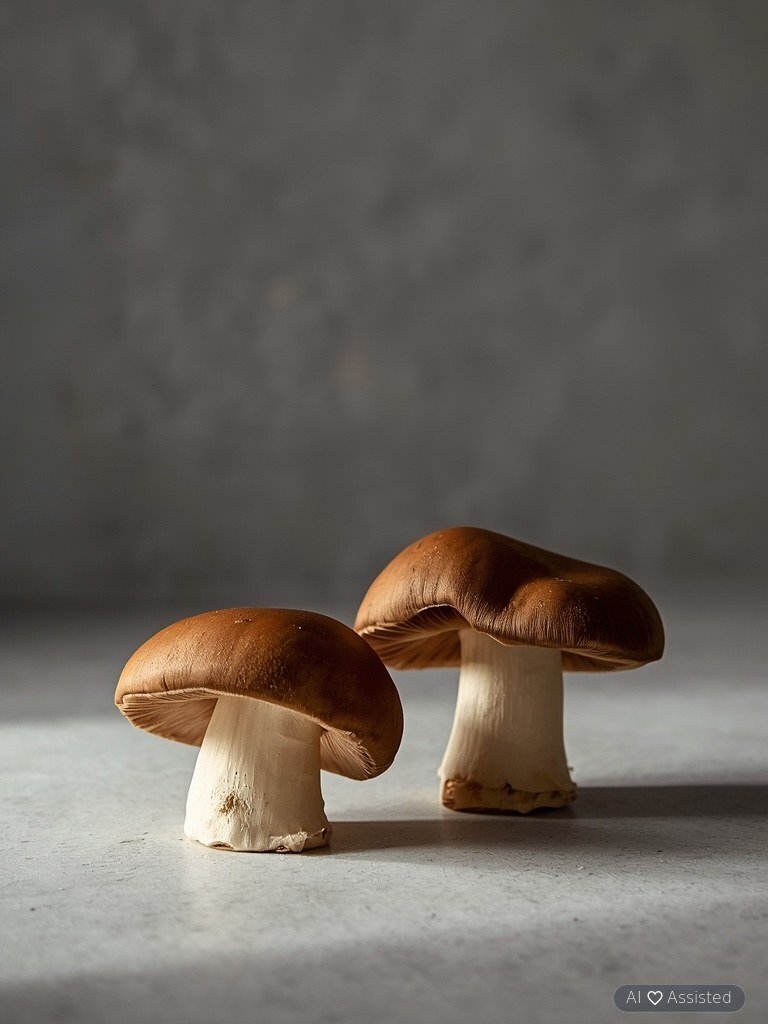
The bay bolete (Imleria badia, historically Boletus badius) ranks among the most coveted and flavorful wild edible mushrooms throughout European temperate woodlands. Belonging to the prized Boletaceae family, it features dense flesh, a dark chestnut-brown velvet cap, and pale yellow pores that characteristically bruise blue-green upon bruising. Because fungal cell walls are composed of recalcitrant chitin, proper thermal processing is essential to unlock nutrients and ensure optimal digestive comfort.
Want to apply these guidelines in your daily diet?
Our smart diet generator creates a tailored meal plan in 3 minutes based on the recommendations in this article.
Bay bolete characteristics within the Boletaceae family
The bay bolete thrives abundantly from midsummer through late autumn in coniferous and mixed woodlands, establishing essential ectomycorrhizal symbioses primarily with Scots pine and Norway spruce. Its cap spans 4 to 15 cm in diameter, presenting a greasy sheen in damp weather and a velvety dry texture under sun. The stem is cylindrical and cinnamon-brown, devoid of raised reticulation. A definitive diagnostic feature is the immediate blue-green bruising of the pore layer upon touch, caused by the atmospheric oxidation of variegatic acid.
Foraging safety and differentiation from lookalike species
The bay bolete is inherently safe for recreational foragers because it lacks lethally toxic lookalikes. The principal unpalatable mushroom occasionally mistaken for it by novices is the bitter bolete (Tylopilus felleus). The bitter bolete, however, displays a distinctly pinkish pore surface that never bruises blue, an obvious dark raised mesh pattern on the stipe, and an intensely bitter flavor that ruins any culinary preparation.
Pre-cleaning techniques and gentle kitchen preparation
Freshly foraged bay boletes should ideally be processed within 12 to 24 hours of harvest. Clean them predominantly dry using a small paring knife and a soft brush to remove pine needles, soil, and forest debris. Prolonged immersion in water must be avoided, as the porous fungal tissues rapidly absorb water, blunting their concentrated woodland aroma. Smaller buttons can be kept whole, while larger caps should be sliced into uniform chunks.
Thermal cooking parameters and digestive bioavailability
Wild forest mushrooms must never be ingested raw. Fungal cell walls are reinforced with chitin, an insoluble structural biopolymer impervious to human gastric amylase and pepsin that softens only under sustained heat. Prior to marinating or pan-braising, bay boletes should be simmered in lightly salted water for 15 to 20 minutes, periodically skimming foam from the surface. When sautéing fresh mushrooms in butter, maintain gentle heat for at least 20 minutes to guarantee complete digestibility.
Traditional spiced bay boletes pickled in seasoned vinegar brine
Ingredients: 1 kg small cleaned bay boletes, 1 sliced onion. Brine: 1 cup 10% white vinegar, 4 cups water, 3 tbsp sugar, 1 tbsp sea salt, 5 allspice berries, 10 black peppercorns, 3 bay leaves, 1 tsp yellow mustard seeds. Method: Parboil mushrooms in salted water for 15 minutes and drain. Pack into sterilized jars with sliced onions. Boil the brine ingredients for 5 minutes, pour boiling brine over mushrooms, seal immediately, and water-bath pasteurize for 15 minutes. A timeless savory delicacy.
Tags

Oliwia Kaczmarek
✓Diets Premium Expert
Diets Premium team expert. Specializes in nutrition plans, strength sports, and training plans.
View Profile →