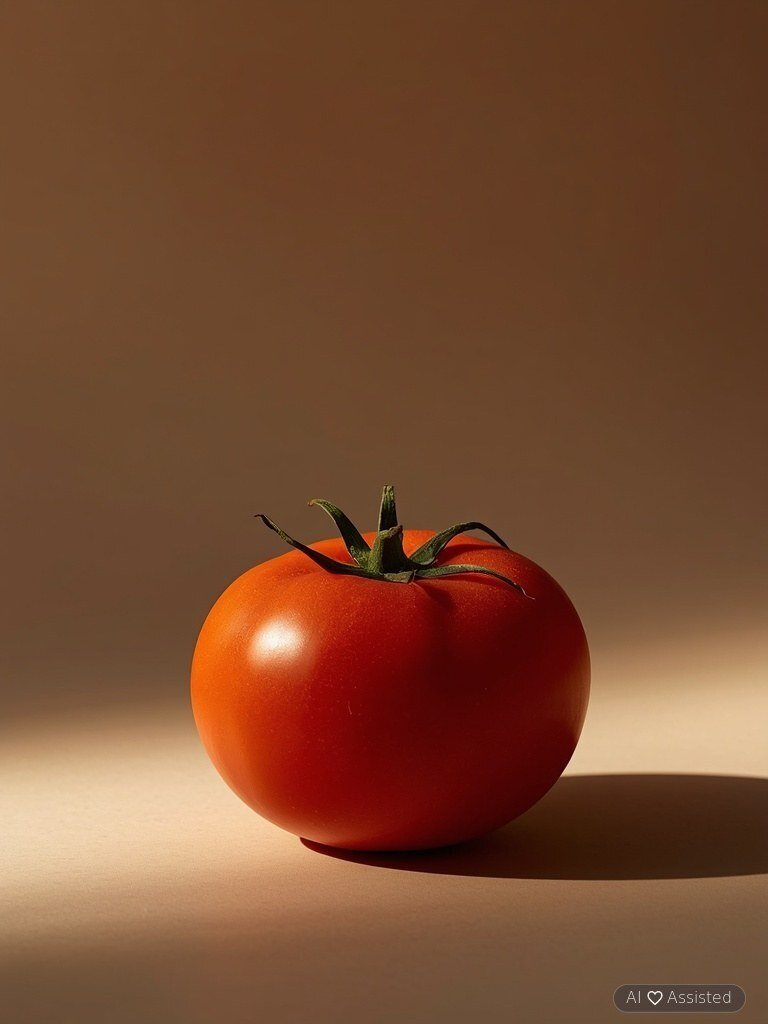
Tomato: Nutritional profile, role in pregnancy, gout management, and healthy recipes

| Diets Premium Expert Tomasz Jankowski | min read 6 min | Scientifically reviewed by a clinical dietitian 23.10.2026 |
Smart Voice
•Listen to the article content live
Tomatoes are among the most widely cultivated and consumed vegetables globally. According to agricultural data from 2006, they accounted for twelve percent of Poland’s total vegetable production. By 2008, the average annual per capita consumption had reached approximately ten kilograms. In Germany and many other European countries, tomatoes are highly valued for their nutritional richness and culinary versatility. Despite growing awareness of healthy eating, Poland’s consumption levels still lag behind those of other European nations. However, the upward trend in tomato intake over the past decades suggests a promising future, particularly driven by increased education on the health benefits of this versatile vegetable.
Want to apply these guidelines in your daily diet?
Our smart diet generator creates a tailored meal plan in 3 minutes based on the recommendations in this article.
This article is professional premium content (PRO) provided in its entirety.
Nutritional profile and health benefits of tomatoes
Tomatoes are renowned not only for their distinctive flavor but also for their exceptional nutritional profile. A key component is lycopene, a potent antioxidant from the carotenoid family that the human body cannot synthesize on its own. Lycopene exhibits strong anti-inflammatory properties and protects against oxidative stress by neutralizing free radicals. Notably, the bioavailability of lycopene significantly increases after thermal processing, such as cooking or frying, due to the breakdown of tomato cell walls, which releases more lycopene. In addition to lycopene, tomatoes contain a variety of other health-promoting compounds, including vitamin C, vitamin K, potassium, and dietary fiber. These nutrients collectively make tomatoes an indispensable part of a balanced diet.
Vitamins, minerals, and lycopene in tomatoes
Tomatoes are not only rich in lycopene but also contain a remarkable variety of vitamins and minerals. A 100-gram serving of tomatoes provides approximately 23 milligrams of vitamin C, which is about a quarter of the daily requirement for men (95 mg) and nearly a third of the requirement for women (75 mg). This makes tomatoes an excellent source of this crucial immune-supporting vitamin. Additionally, they contain about 1.2 milligrams of vitamin K, essential for blood clotting and bone health. Potassium, with around 282 milligrams per 100 grams, plays a key role in blood pressure regulation and fluid balance. Tomatoes also provide small amounts of magnesium, iron, and dietary fiber, which promote digestion. Notably, they contain flavonoids like quercetin, which offer additional antioxidant benefits.
Tomatoes and cucumbers: Interactions and vitamin C degradation
A common myth suggests that tomatoes and cucumbers should not be eaten together because the enzyme ascorbinase in cucumbers could degrade vitamin C from the tomatoes. Indeed, cucumbers contain the enzyme ascorbinase, which most effectively breaks down vitamin C at a pH between 5 and 6. However, this effect is often exaggerated in practice. When tomatoes and cucumbers are combined in a salad, there can indeed be a slight degradation of vitamin C. This loss can be easily prevented by adding lemon juice or other acidic ingredients, which lower the pH and reduce the activity of ascorbinase. It is important to note that this process does not form any harmful compounds but merely affects the stability of the vitamin. Therefore, combining tomatoes and cucumbers is not only safe but can also result in a delicious and nutrient-rich meal.
Gout and tomatoes: Nutritional facts and dietary recommendations
Gout, a form of arthritis, results from the deposition of uric acid crystals in the joints, leading to severe pain and inflammation. Many people with gout wonder whether tomatoes play a role in their diet. While tomatoes do contain purines, they do so in very low amounts compared to other foods like meat, fish, or legumes. A study from 2015 involving over 2500 participants in the USA found that tomatoes were not directly associated with gout attacks. Nevertheless, individuals with gout should focus on a balanced diet rich in vegetables while moderating their intake of purine-rich foods. Adequate hydration is also crucial to promote the excretion of uric acid. Therefore, tomatoes can be safely included in a gout-friendly diet, provided they are consumed in moderation and the overall diet remains balanced.
Tomatoes in the diet of pregnant and breastfeeding women
During pregnancy and breastfeeding, a balanced diet is crucial to meet the nutritional needs of both the mother and the baby. Tomatoes are an excellent choice due to their richness in essential nutrients vital for both phases. Notably, they are high in vitamin C, which enhances iron absorption from plant-based sources – a critical factor given that the iron requirement during pregnancy is approximately 30 milligrams per day. Lycopene and quercetin, two potent antioxidants found in tomatoes, also protect against oxidative stress and support the immune system. To minimize pesticide residues, it is advisable to wash tomatoes and remove the skin. They can be incorporated into the diet in various forms, such as salads, smoothies, or fresh salsa. It is essential to maintain a diverse diet to optimally meet all nutritional needs.
Healthy tomato dishes: Recipes for fresh and preserved preparations
Tomatoes can be prepared in various ways and incorporated into the diet in numerous forms. Here are two simple and healthy recipes, offering both fresh and preserved options. Fresh Tomato Salsa: Dice a ripe tomato, finely chop a small onion, and mix with fresh basil, garlic, olive oil, salt, and pepper. Optionally, add some lemon juice to enhance the freshness. This salsa pairs perfectly with whole-grain bread, tortilla chips, or as a topping for salads. Homemade Tomato Dip: For a simple version, blend cooked tomatoes with olive oil, garlic, lemon juice, salt, and fresh basil. This dip is excellent as a side to vegetable sticks or as a spread for bread. Both recipes are quick to prepare, nutrient-rich, and versatile. For longer storage, you can also make tomato paste or sauce at home and preserve it in sterilized jars. This way, you have access to the health benefits of tomatoes throughout the year.
Tags

mgr Tomasz Jankowski
✓Diets Premium Expert
Diets Premium team expert. Specializes in nutrition plans, strength sports, and training plans.
View Profile →