3 min read
Tamarillo - Characteristics, nutritional values, and utilization of tree tomato

Emilia Szymańska
✓
Diets Premium Expert • 24.09.2026
✓
Scientifically reviewed by a clinical dietitian:
This article has been peer-reviewed for adherence to IŻŻ, WHO, and PTGiP clinical nutritional standards.
| Diets Premium Expert Emilia Szymańska | min read 3 min | Scientifically reviewed by a clinical dietitian 24.09.2026 |
Smart Voice
•Listen to the article content live
0:00
/
0:00
Key Takeaways
In grocery stores, we notice an increasing variety of exotic products, imported from the remotest corners of the world. Curiosity leads us to buy and try unusual items in our kitchen, to familiarize ourselves with their taste, aroma, structure, and consistency. Do we even recognize what tamarillo is, a fruit with an unusual distinctive flavor?
Meal Plan
Want to apply these guidelines in your daily diet?
Our smart diet generator creates a tailored meal plan in 3 minutes based on the recommendations in this article.
Nutritional and health-promoting attributes of the tree tomato (*Solanum betaceum*)
The tamarillo (*Solanum betaceum*), commonly referred to as the tree tomato, is distinguished by its exceptional nutritional profile, which encompasses a broad array of bioactive compounds with well-documented health benefits. Its distinctive deep red pigmentation—evident in both the peel and the succulent pulp—is attributable to a high concentration of β-carotene, a provitamin A carotenoid renowned for its potent antioxidant properties. This compound, in conjunction with the fruit’s retinol content (the biologically active form of vitamin A), establishes a robust defensive mechanism for the epidermis, effectively scavenging reactive oxygen species to mitigate oxidative stress, thereby decelerating cutaneous aging processes and enhancing visual acuity through retinal support. Furthermore, tamarillo serves as a rich source of ascorbic acid (vitamin C), which plays a pivotal role in collagen biosynthesis—a structural protein essential for maintaining skin turgor and elasticity while fortifying capillary walls to improve microcirculatory efficiency. This vitamin also exerts immunomodulatory effects by enhancing leukocyte function, thereby bolstering the body’s resistance to viral and bacterial pathogens. Of equal significance is the presence of tocopherol (vitamin E), frequently termed the "fertility vitamin" due to its role in safeguarding cellular membranes from lipid peroxidation. From a mineral perspective, the fruit’s elevated potassium content is particularly noteworthy; this essential electrolyte governs fluid balance, attenuates arterial blood pressure, and consequently diminishes the risk of hypertensive disorders and cardiac dysrhythmias. Potassium additionally acts as an acid-base buffer, counteracting metabolic acidosis. The dietary fiber matrix within tamarillo—comprising both soluble and insoluble fractions—promotes gastrointestinal motility, facilitates nutrient absorption in the small intestine, and fosters colonic microbial diversity, thereby preventing constipation and supporting overall digestive health.
Nutritional composition and dietary attributes of tree tomato (Tamarillo) – energy yield and micronutrient breakdown
Tamarillo, commonly referred to as tree tomato, exhibits a higher energy density when compared to conventional tomatoes—providing approximately 35 kilocalories per 100 grams, nearly double the amount. Its macronutrient profile consists of 2 grams of plant-based protein, 7 grams of carbohydrates (including dietary fiber components), and trace quantities of fats, positioning it within the category of low-starch vegetables. Of particular note is its substantial fiber content, amounting to roughly 2.5 grams, alongside a significant potassium concentration of about 270 milligrams, rendering it a valuable inclusion in a balanced dietary regimen.
Does Tamarillo Have a Surprisingly Unique Flavor? Exploring Its Distinctive Taste Profile
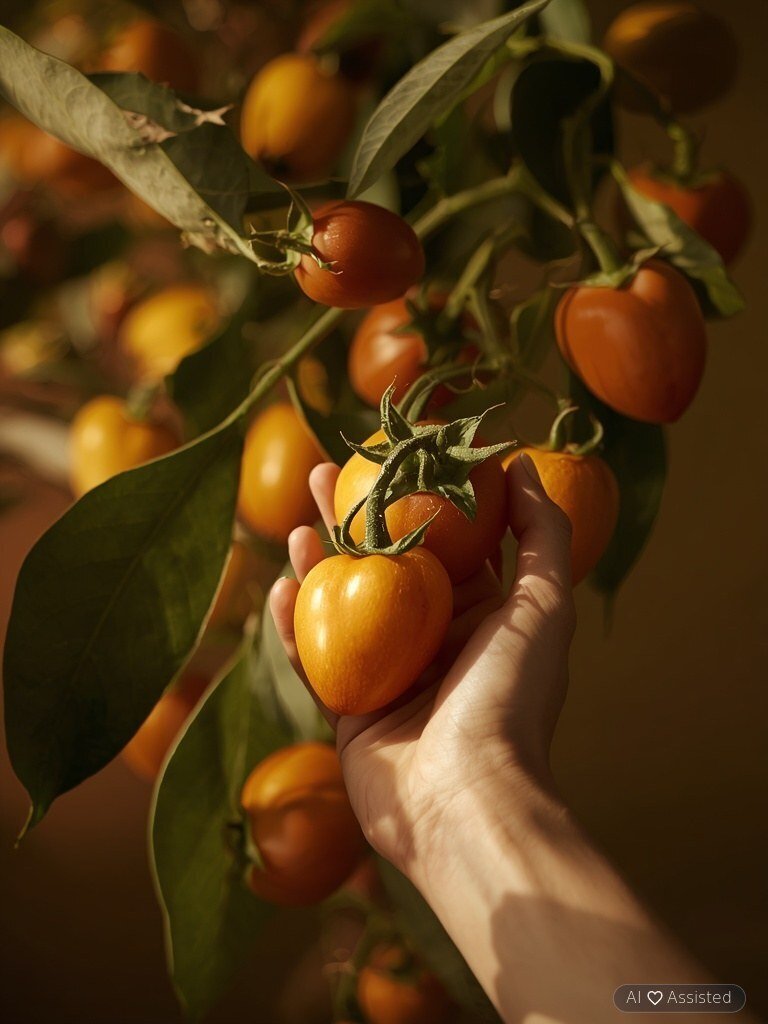
Tamarillo, often mistakenly associated with the conventional sweetness of fruits, defies expectations with its distinctive flavor profile. This fruit, whose appearance resembles elongated plum tomatoes, stands apart with an entirely different sensory experience. Its flesh is characterized by a subtle bitterness and a pronounced, slightly peppery undertone, evoking the taste of ripe tomatoes enhanced with sharp seasonings rather than typical sweet fruits. The flavor of tamarillo is so singular that it bears little resemblance to common fruits—it represents a compelling fusion of vegetable-like intensity with fruity depth, capable of surprising even the most discerning palates.
Culinary and artisanal applications of the tree tomato (Tamarillo) in home cooking and preservation
Tamarillo, commonly referred to as the tree tomato, is a distinctive fruit whose culinary preparation closely mirrors that of conventional tomatoes, yet with unique sensory characteristics. A critical preliminary step involves the removal of its bitter, unpalatable skin—a process best achieved by making a shallow incision, briefly scalding the fruit in boiling water, and immediately immersing it in ice-cold water. This technique facilitates the effortless separation of the thin yet resilient peel using a knife, ensuring minimal loss of the succulent, nutrient-rich pulp. Flavor-wise, tamarillo presents an unconventional, subtly tangy profile that lends itself exceptionally well to both fresh vegetable medleys and artisanal preserves, such as spiced green tomato jams or savory relishes. Online culinary resources abound with innovative serving suggestions, including dusting the fruit with powdered sugar or drizzling it with liquid honey to counterbalance its inherent bitterness. Moreover, this versatile ingredient can seamlessly substitute traditional tomatoes in sandwiches, *Caprese* salads, or even serve as the foundation for exotic dipping sauces, expanding its applicability in global cuisine.
Retailers and specialty stores selling tamarillo: A guide to locating this exotic fruit in local markets
The exotic tamarillo, often referred to as the tree tomato, can be sourced from select greengrocers, specialty food markets, and seasonal farmers’ stalls from late spring through early autumn. Pricing typically ranges between six and seven Polish złoty per individual fruit, positioning it as an accessible yet distinctive choice for connoisseurs of unconventional flavors. Characterized by its elongated, plum-like silhouette, the tamarillo delivers a bold, subtly bitter-sweet flavor profile that pairs exceptionally well with contemporary fusion cuisine. Culinary enthusiasts and adventurous home cooks will find its unique taste an inspiring foundation for inventive dishes—spanning savory sauces, tangy relishes, and even innovative dessert applications.

mgr Emilia Szymańska
✓Diets Premium Expert
Diets Premium team expert. Specializes in nutrition plans, strength sports, and training plans.
View Profile →