Wild marjoram essential oil – therapeutic applications, usage restrictions, and recommended dosing protocols

| Diets Premium Expert Oliwia Kaczmarek | min read 4 min | Scientifically reviewed by a clinical dietitian 23.10.2026 |
Smart Voice
•Listen to the article content live
For many, the mention of oregano immediately evokes associations with flavorful Italian dishes such as pizza or pasta with tomato sauce. While this Mediterranean herb has long been prized as a culinary spice, contemporary scientific research is increasingly examining its potential health-promoting properties. This shift is reflected in the growing body of academic publications analyzing the chemical composition and biological effects of Origanum vulgare, underscoring heightened public and scholarly interest in this medicinal plant [1].
Want to apply these guidelines in your daily diet?
Our smart diet generator creates a tailored meal plan in 3 minutes based on the recommendations in this article.
Wild marjoram (Oregano) – herbal background and chemical composition
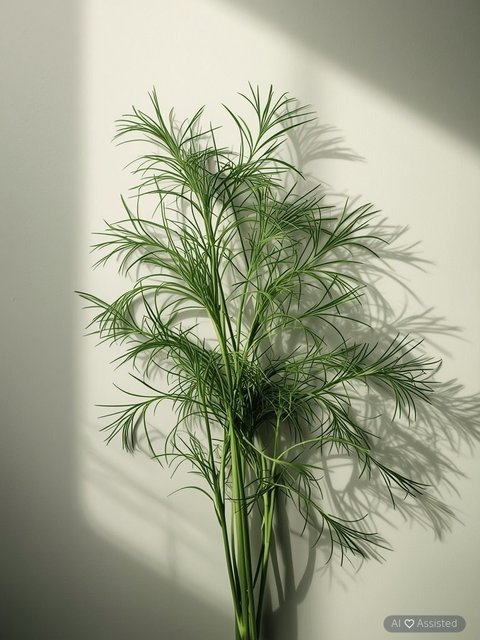
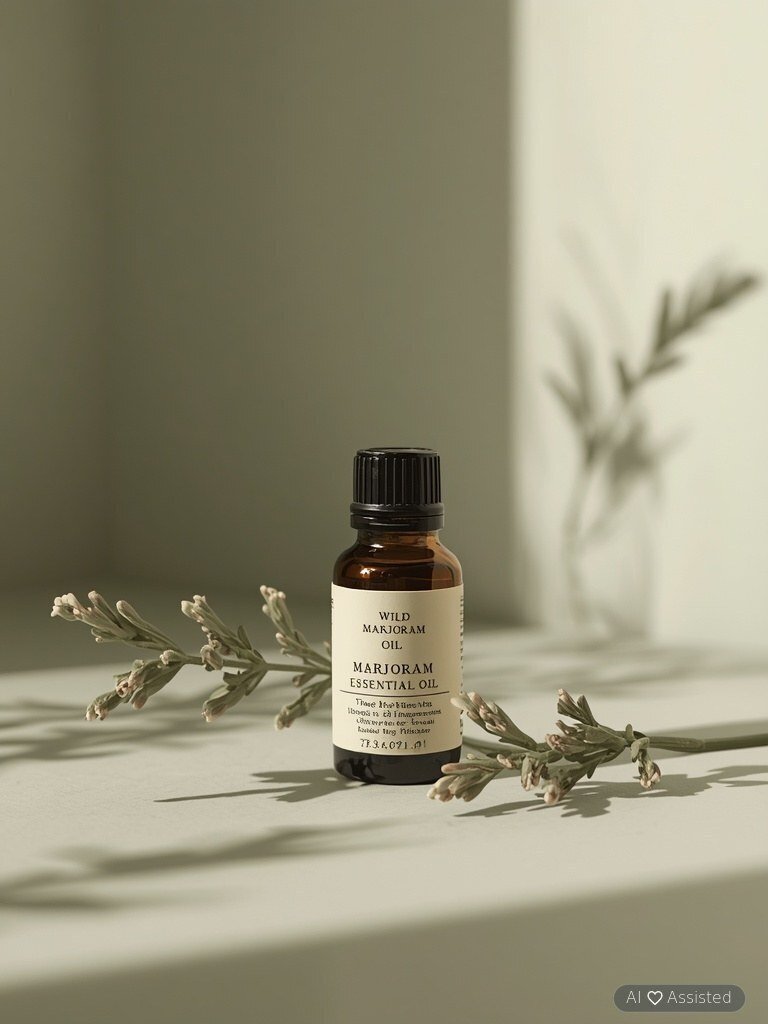
Wild marjoram (Origanum vulgare), widely known in culinary and herbal circles as wild oregano, is a perennial Lamiaceae herb native to dry Mediterranean limestone soils. The plant's essential oil is rich in phenolic monoterpenes—primarily carvacrol and thymol—which act in botanical defense against environmental herbivores and microbial pathogens. When harvested at peak bloom, the oil offers superior concentrations of active volatile compounds responsible for its formidable biological properties.
Therapeutic indications and broad-spectrum antimicrobial uses
Clinical and phytotherapeutic indications for wild oregano oil encompass acute upper respiratory tract infections, dysbiosis, bacterial gastroenteritis, and fungal overgrowths. Its potent carvacrol fraction acts as a natural food preservative and broad-spectrum antimicrobial agent, active against antibiotic-resistant bacteria such as Staphylococcus aureus and Klebsiella pneumoniae. In addition, its antioxidant compounds scavenge systemic free radicals and calm inflammatory tissue responses.
Contraindications, safety limits, and microbiome support
Due to its intense potency, wild oregano oil should not be taken continually for prolonged periods. When taken orally, it exerts non-selective antimicrobial activity that can temporarily alter beneficial intestinal commensals (e.g., Bifidobacteria and Lactobacillus). Consequently, internal protocols should not exceed 10 to 14 consecutive days and should always be paired with high-potency probiotic restoration. It is contraindicated in pregnancy, during breastfeeding, and in individuals with bleeding disorders or severe gastritis.
Standardized clinical dosage and administration protocols
Standard therapeutic dosages of liquid oregano oil consist of 2 to 4 drops dissolved in a tablespoon of extra virgin olive oil or whole milk, taken 1 to 2 times daily with meals. For encapsulated extracts, dosages standardized to 50–100 mg of pure carvacrol twice daily are commonly prescribed. Never administer undiluted drops onto the tongue or into water, and strictly abide by the manufacturer's purity and dosage certifications.
Tags

Oliwia Kaczmarek
✓Diets Premium Expert
Diets Premium team expert. Specializes in nutrition plans, strength sports, and training plans.
View Profile →