Whole-Grain Pasta – Nutritional Value, Dietary Fiber, Low Glycemic Index, and Role in Weight Management

| Diets Premium Expert Isabella Taylor | min read 3 min | Scientifically reviewed by a clinical dietitian 23.10.2026 |
Smart Voice
•Listen to the article content live
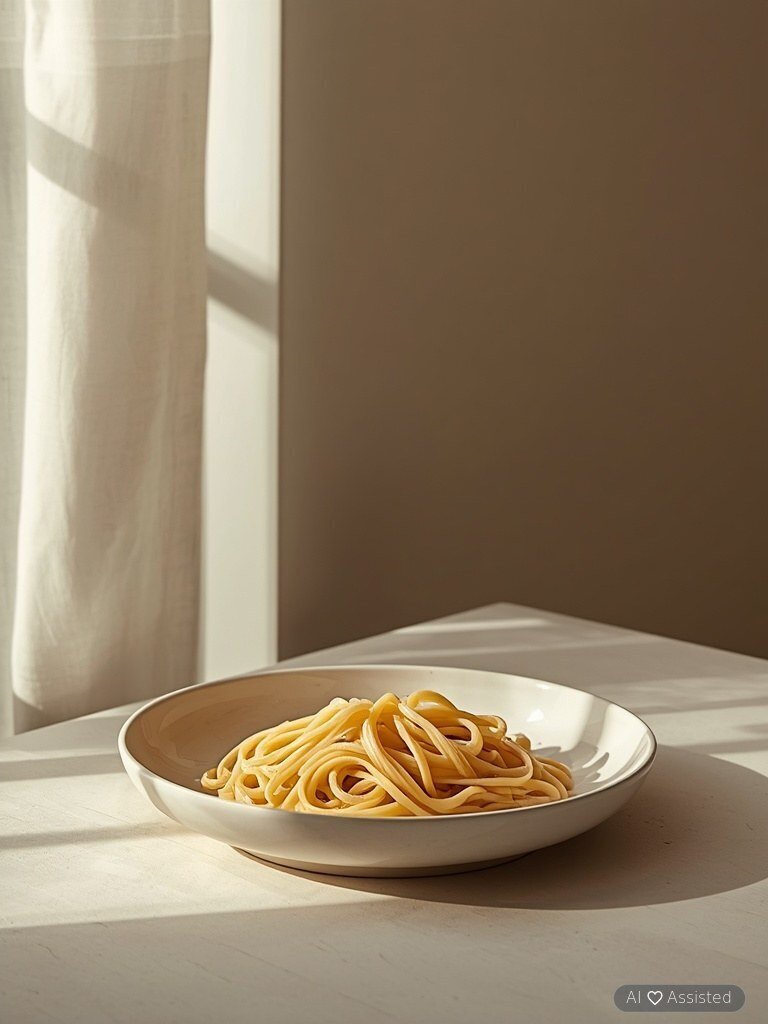
Whole-grain pasta, crafted from whole durum semolina or ancient unrefined grains, represents one of the most metabolically advantageous complex carbohydrate staples in human nutrition. Retaining the fibrous bran and nutrient-dense germ layers, it yields 8 to 10 g of dietary fiber per 100 g, rich B-vitamins, iron, and magnesium. Cooked al dente, it exhibits a modest glycemic index (GI = 35–45), stabilizing insulin responses and promoting protracted satiety during weight management.
Want to apply these guidelines in your daily diet?
Our smart diet generator creates a tailored meal plan in 3 minutes based on the recommendations in this article.
Nutritional Value of Whole-Grain Pasta – Vitamins, Minerals, and Fiber
The nutritional gulf between whole-grain and refined white pasta is profound:
- Dietary fiber density – whole-grain pasta delivers over triple the fiber (8–10 g/100 g) of refined pasta (2.5 g/100 g), fueling short-chain fatty acid gut synthesis.
- Magnesium and zinc – a single standard serving supplies >25% of the adult daily magnesium requirement for neurological stability.
- Iron and phosphorus – fundamental for erythropoiesis and musculoskeletal integrity.
- B-complex vitamins – generous thiamine, niacin, and folate support mitochondrial energy metabolism.
Caloric Content, Glycemic Index, and the Science of Al Dente Cooking
Cooking methodology directly dictates postprandial glucose dynamics:
- Caloric density – dry whole-grain pasta provides 330–350 kcal/100 g; upon boiling, hydration expands mass more than twofold, reducing cooked caloric density to 140–150 kcal/100 g with under 1.5 g fat.
- The al dente starch-protein matrix – cooking pasta al dente preserves a compact gluten network encapsulating starch granules, decelerating alpha-amylase digestion (GI ~35–40). Overcooking breaks this matrix, triggering rapid enzymatic hydrolysis and surging the glycemic index above 60.
Whole-Grain Pasta in Weight Loss Diets – Optimal Pairings for Satiety
Whole-grain pasta is an outstanding asset during fat-loss programs when paired thoughtfully:
- Plate balancing formula – pair 50 g dry pasta (~120 g cooked) with lean protein (skinless chicken breast, wild shrimp, organic tofu) and abundant fiber-rich vegetables (zucchini, tomatoes, baby spinach, broccoli).
- Avoid heavy cream sauces – substitute high-calorie heavy cream sauces with fresh tomato passata, garlic, fresh basil, and extra virgin olive oil to maintain optimal nutrient density.

Isabella Taylor
✓Diets Premium Expert
Diets Premium team expert. Specializes in nutrition plans, strength sports, and training plans.
View Profile →