Wheat and Rye Flour – Type Classification, Ash Content, Nutritional Properties, and Baking Applications

| Diets Premium Expert Tomasz Jankowski | min read 3 min | Scientifically reviewed by a clinical dietitian 23.10.2026 |
Smart Voice
•Listen to the article content live
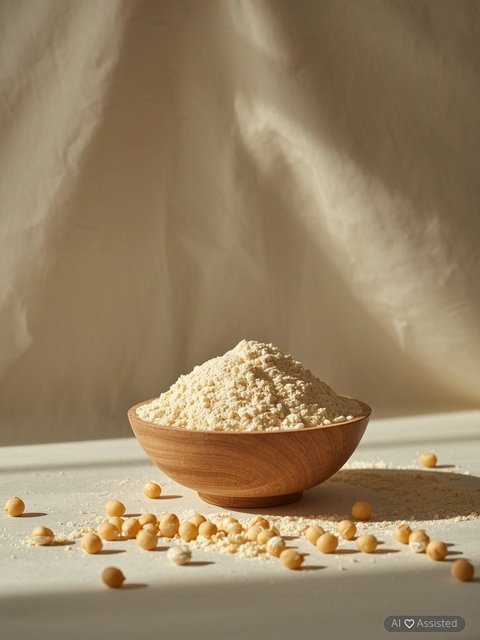
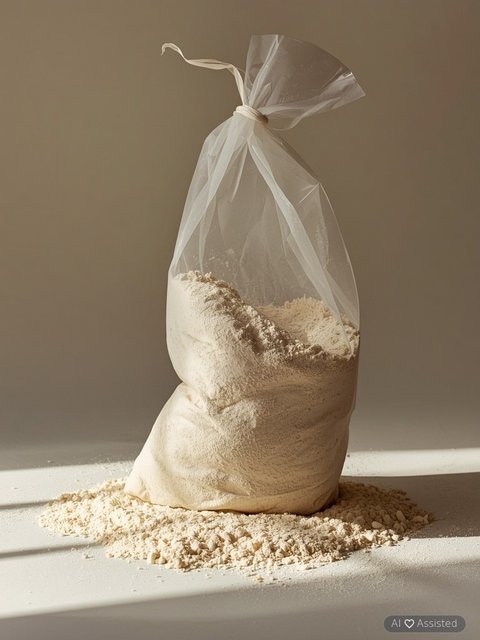
Wheat and rye flours represent the twin foundational pillars of traditional European bread baking. The technological performance and nutritional yield of grain flour are governed by its type classification, denoting the residual mineral ash content following laboratory combustion. Ranging from refined pastry flours (type 450–500) to hearty whole-grain graham and dark rye flours (type 1850–2000), each flour grade possesses distinct rheological attributes, fiber profiles, and culinary applications.
Want to apply these guidelines in your daily diet?
Our smart diet generator creates a tailored meal plan in 3 minutes based on the recommendations in this article.
Understanding Flour Types: Ash Content and Milling Extraction
The standardized numeric grade of grain flour indicates the percentage of non-combustible mineral ash remaining after controlled incineration:
- Low extraction flours (types 450, 500, 550) – derived purely from the inner starchy endosperm; yields 0.45–0.55% mineral ash, snowy white color, and high gluten network strength, but reduced fiber and vitamins.
- High extraction flours (type 1850 graham, type 2000 whole-grain) – incorporates the outer bran pericarp and germ alongside endosperm, yielding up to 2.0% mineral ash, rustic coloration, and superior concentrations of magnesium, iron, and dietary fiber.
Classification and Uses of Wheat Flours – From Pastry to Graham
Wheat flour grades are tailored to specialized culinary and baking applications:
- Types 405/450 (pastry) & 500/550 – optimal for delicate sponge cakes, pie crusts, pasta doughs, and crepes where tenderness and high volume are paramount.
- Types 650 to 850 (bread flour) – balanced gluten strength suitable for yeast-risen rolls, baguettes, and artisanal country loaves.
- Type 1850 (graham) & Type 2000 (whole wheat) – coarse-milled bran-rich flours delivering dense crumb structure, lower glycemic index, and maximum prebiotic roughage.
Characteristics of Rye Flour – Pentosans, Acidity, and Sourdough Breads
Rye flour behaves completely uniquely compared to wheat flour:
- Pentosans (arabinoxylans) – rye possesses high concentrations of viscous non-starch polysaccharides (pentosans) that avidly bind water and sterically prevent gluten network development; crumb structure is stabilized by gelatinized starch rather than gluten matrices.
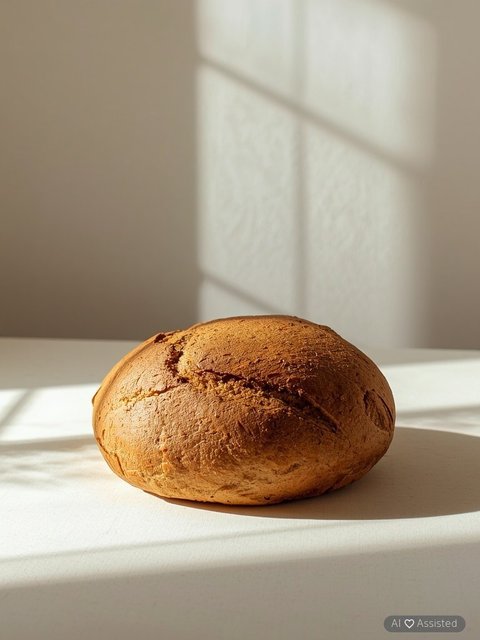
- Mandatory sourdough fermentation – rye endosperm harbors active alpha-amylase enzymes that liquefy starch unless inhibited by acidification; lactic acid from sourdough suppresses amylases and secures bread crumb crumb stability.
- Rye grading spectrum – Type 580 (light rye), Type 720 (standard rye bread), Type 1400 (medium), and Type 2000 (whole-grain pumpernickel rye).
Nutritional Comparison Between Wheat and Rye – Impact on Satiety and Glycemia
From a metabolic perspective, whole rye demonstrates marked clinical advantages over refined wheat:
- Lower glycemic impact – authentic 100% whole rye sourdough bread induces smooth, blunted postprandial glucose curves compared to refined wheat bread.
- Prolonged satiety ('the rye effect') – colonic fermentation of rye pentosans produces short-chain fatty acids (SCFAs like butyrate and propionate), which elevate gut satiety hormones up to 8 hours post-meal.
- Micronutrient superiority – whole rye flour yields superior levels of zinc, magnesium, iron, and folates compared to refined white wheat flours.

mgr Tomasz Jankowski
✓Diets Premium Expert
Diets Premium team expert. Specializes in nutrition plans, strength sports, and training plans.
View Profile →