Oat Flour (Ground Rolled Oats) – Nutritional Profile, Beta-Glucans, and Dietary Applications

| Diets Premium Expert Lena Bauer | min read 2 min | Scientifically reviewed by a clinical dietitian 23.10.2026 |
Smart Voice
•Listen to the article content live
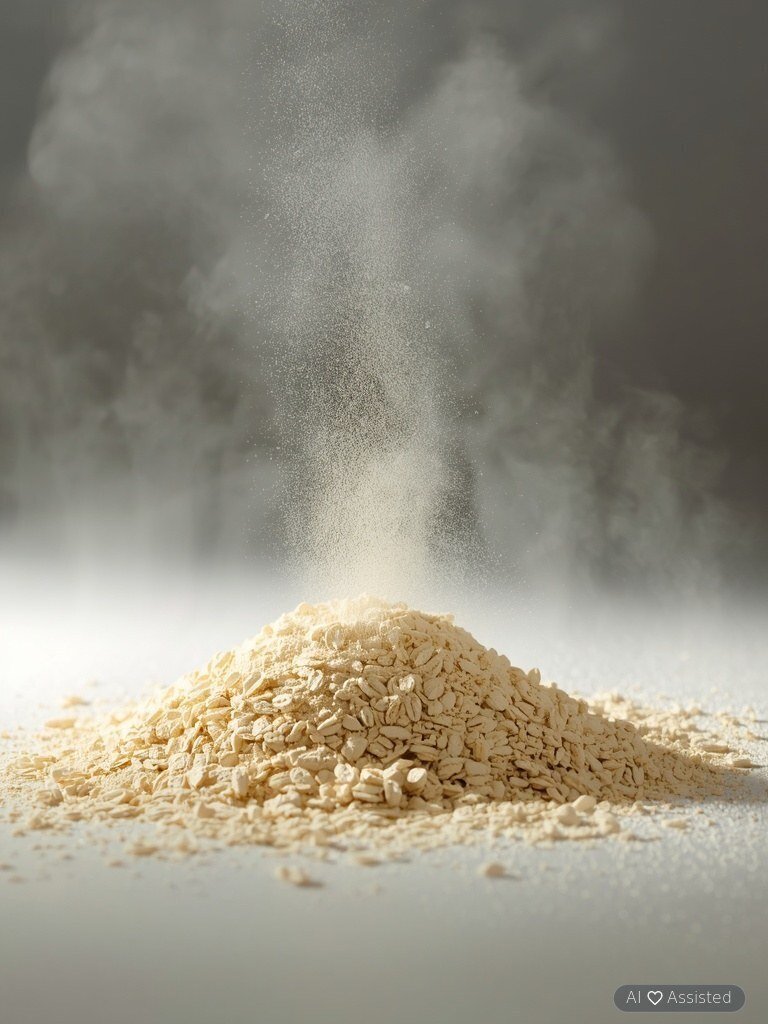
Oat flour, milled from whole oat groats (Avena sativa) or whole rolled oats, represents one of the most therapeutically valuable flours in nutritional science. It boasts an abundance of viscous soluble dietary fiber – beta-glucan – which carries clinically validated authority for reducing serum LDL cholesterol and smoothing postprandial glucose-insulin curves. Endowed with a mild, comforting flavor, oat flour provides an optimal base for nutrient-rich baked goods, pancakes, and breakfast porridges.
Want to apply these guidelines in your daily diet?
Our smart diet generator creates a tailored meal plan in 3 minutes based on the recommendations in this article.
What is Oat Flour and How to Make It from Rolled Oats
Whole-grain oat flour preserves the full anatomical integrity of the oat kernel, including the fibrous bran and nutrient-dense germ layers. It can be effortlessly milled at home:
- DIY preparation – place rolled oats into a high-speed blender or grain mill and process for 60 to 90 seconds until a fine, velvety powder is achieved.
- Gluten-free certification – while pure oats are inherently gluten-free, agricultural co-mingling with wheat during harvesting necessitates certified gluten-free labeled oats for individuals with celiac disease.
Nutritional Composition and the Power of Soluble Beta-Glucans
Oat flour exhibits an exceptional macro- and micronutrient architecture:
- Soluble beta-glucans – viscous polysaccharides forming a gastrointestinal gel that traps bile acids, compelling hepatic utilization of serum cholesterol for bile replacement.
- Plant protein quality (13–15%) – provides superior essential amino acid density compared to other cereal grains.
- Healthy lipid profile (~7 g/100 g) – enriched with cardioprotective mono- and polyunsaturated fatty acids (oleic and linoleic acids).
- Avenanthramides – unique polyphenolic compounds possessing potent anti-inflammatory, antioxidant, and antipruritic properties.
Impact on Cholesterol, Satiety, and Glycemic Response
The European Food Safety Authority (EFSA) officially sanctions the health claim that consuming 3 g of oat beta-glucan daily actively lowers blood cholesterol:
- LDL cholesterol suppression – consistent intake reduces total and LDL cholesterol by 5% to 10% without attenuating protective HDL concentrations.
- Extended postprandial satiety – viscous gel networks delay gastric transit, blunting hunger hormone ghrelin while augmenting satiety peptide YY (PYY).
- Stable glycemic index (GI ~45) – mitigates reactive postprandial hypoglycemic episodes, fostering all-day sustained energy.
Culinary Uses – Fit Pancakes, Muffins, and Oat Bread
Oat flour imparts exceptional moisture retention and crumb tenderness across wholesome recipes:
- Fit pancakes and breakfast waffles – blending oat flour with eggs, plant milk, and mashed bananas creates an exquisite, satiating breakfast without added refined sugars.
- Artisan breads and quick loaves – substitute up to 30% of wheat flour in standard recipes to enhance crust crispness and maintain crumb moisture for days.
- Wholesome thickening agent – a tablespoon of oat flour seamlessly thickens cream soups and savory gravies, replacing traditional refined butter-flour roux.
Tags

Lena Bauer
✓Diets Premium Expert
Diets Premium team expert. Specializes in nutrition plans, strength sports, and training plans.
View Profile →